An innovative project to develop a new approach to mapping and predicting areas in the South West which are most at risk of groundwater infiltration is now in its second phase after a successful pilot.
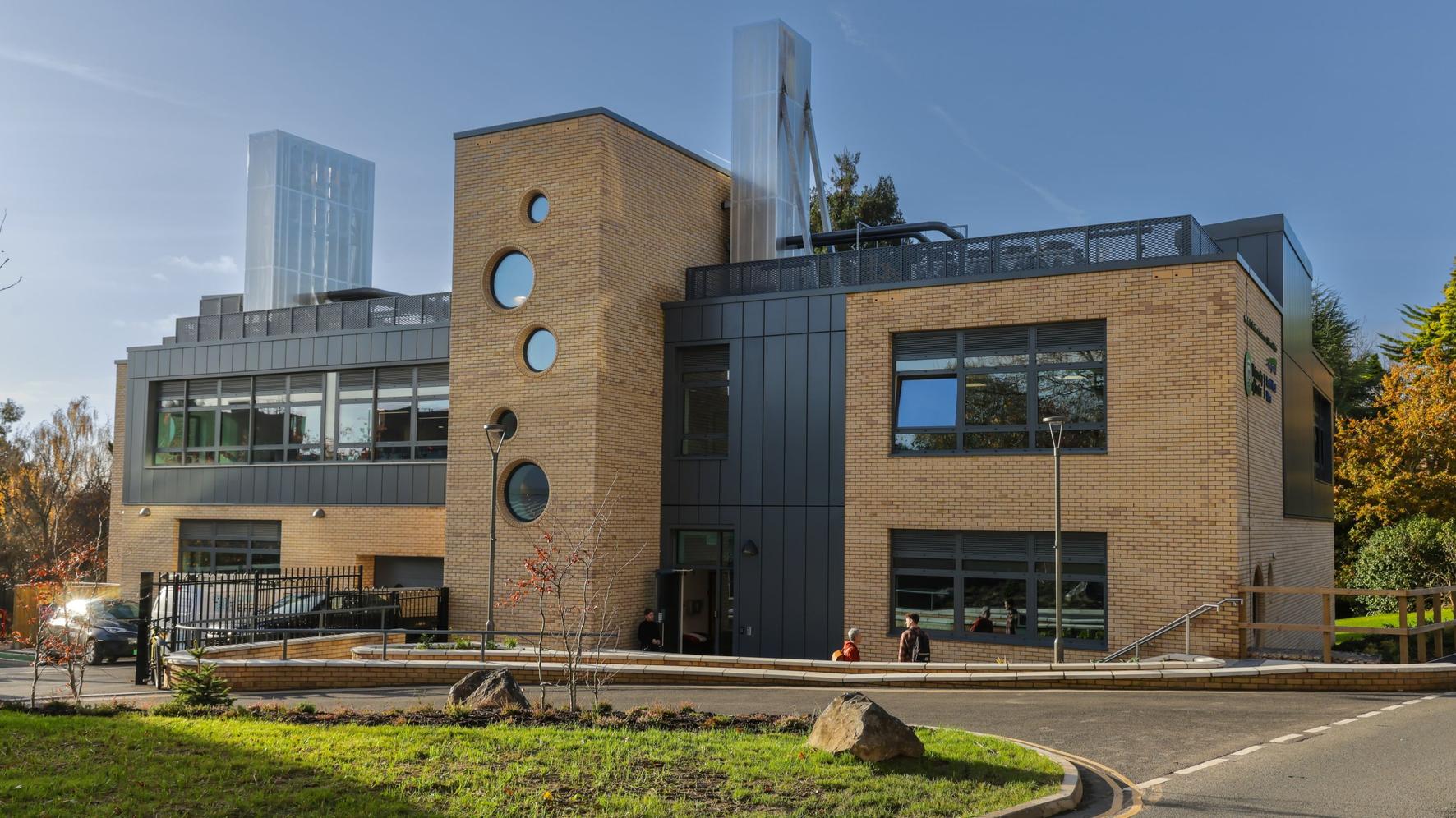
South West Water is working in partnership with the University of Exeter through the Centre for Resilience in Environment, Water and Waste (CREWW) to deliver the Groundwater Infiltration Risk Mapping Project as part of ongoing work to make water and wastewater systems more resilient to climate change and ageing infrastructure.
Across England and Wales, hundreds of thousands of kilometres of sewers have been in the ground for over a century. As these networks age, they become more vulnerable to leaks, bursts and groundwater infiltration - when water seeps into the sewer system through cracks, joints or damaged connections.
When this happens, it increases the amount of water that must be treated, putting extra pressure on the sewer network, raising carbon emissions and treatment costs, and increasing the risk of flooding and pollution.
But South West Water’s project aims to change this - by using geospatial technology, data-driven mapping and groundwater modelling to identify where groundwater infiltration poses the greatest risk, the company aims to take early, targeted action where there is a risk and respond before problems occur.
The project team is already making good progress towards this goal, having completed phase one of the project in October 2024. During this pilot phase, the team developed a new approach to map and predict the areas in South West Water’s network which are most at risk of groundwater infiltration.
Using data from the Lower Otter catchment, the project team created a detailed risk map which highlighted zones in South West Water’s network that required urgent attention, as well as areas where conditions needed close monitoring, and locations where the risk of groundwater infiltration was low.
This enabled South West Water’s operational teams to target maintenance work more effectively and respond before problems occurred.
The success of this pilot study has led directly to Phase 2 of the project, which is now underway and will continue until October 2026.
This next phase will expand this method into two larger catchment areas in Dawlish and Camborne, creating a more comprehensive set of models and maps that can be used across the region.
The new data will not only guide South West Water’s sewer network maintenance in the future but also support decisions about drinking water resources, groundwater pollution prevention and long-term infrastructure planning.
Mark Jacob, Senior Asset Manager at South West Water, said: “Groundwater infiltration can be hard to see, but it can have a real impact on how our sewer networks perform. By combining local knowledge with new data and modelling techniques, we can make better decisions about where and when to intervene. This helps reduce the risk of pollution, lowers carbon emissions, and keeps costs down for customers.”
This work forms part of South West Water’s wider commitment, through CREWW, to invest in science-led, data-driven approaches that improve environmental outcomes and build resilience for the future.
Once the project is complete, the company will be looking at how they can use this data in the future.
Nejat Zeydalinejad, Postdoctoral Research Fellow at The University of Exeter, said: "The Groundwater Infiltration Risk Mapping Project is delivering cutting-edge geospatial and physics-based models to produce high-resolution hotspot maps for sewer networks across the South West.
"These outputs offer substantial benefits for South West Water and the wider community, supporting more targeted, efficient and climate-resilient decision-making. The global significance of this work is already clear, with four Q1 journal publications to date, including two in Water Research.
"We are excited to see Phase 2 progress and hope the project advances to Phase 3, where this multidisciplinary expertise can be applied to triage the entire sewer system of the South West, helping move towards a more resilient and sustainable wastewater infrastructure in a changing climate."