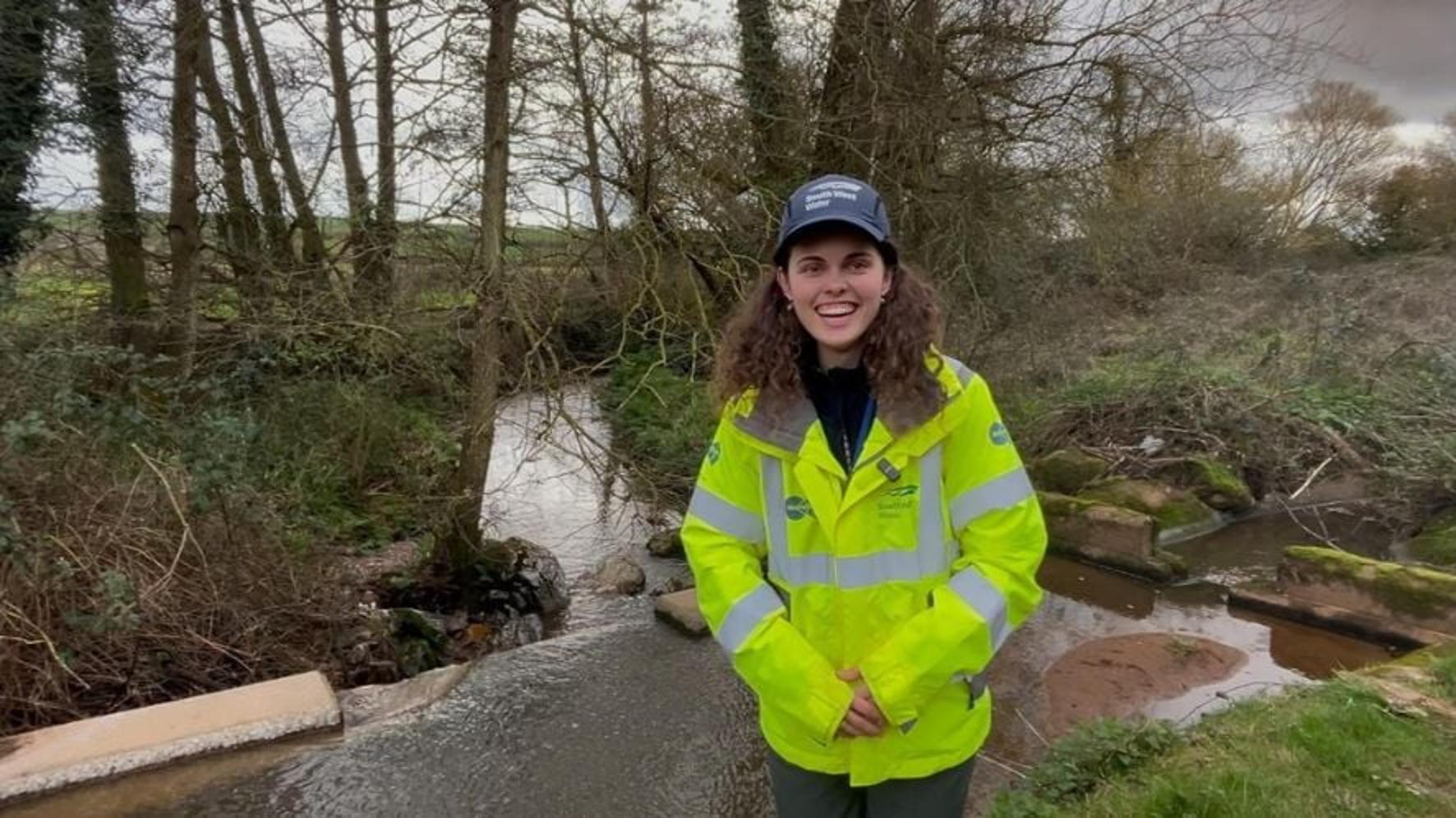
South West Water is lifting the lid on the work its dedicated teams do every day to identify and tackle drainage misconnections across the region.
A hidden cause of pollution, misconnections occur when wastewater from a property is incorrectly connected into a surface water drain instead of the foul sewer system – meaning wastewater can enter watercourses without being treated.
Misconnections are hard to spot as they are hidden plumbing mistakes in people’s homes.
Pollution alerts, which are often reported by the public, are one of the first clues that something may not be right in the network.
In 2025, South West Water responded to 1,421 pollution alerts across the region, each requiring investigation.
Pollution Technician Cat Chappell is part of the team that responds to these and carries out investigations on the ground.
“When a pollution alert comes in, it isn’t always clear what you’re dealing with,” Cat said. “Not every alert turns out to be a misconnection, but they’re what we use as the starting point to find out what’s happening.”
Investigating in the field
For Cat, every investigation begins by gathering as much information about the area as possible before the team goes to site.
“I look at network maps, drainage records and any previous work order history to help me to build a picture of the area,” Cat explained. “It gives me a starting point to go from but doesn’t tell me the full story.”
When she arrives at a suspected pollution site, Cat begins by assessing what she can see
“I look for signs like unusual discharge into a watercourse such as fatty substances, sewage related debris or changes in the colour or smell of the water” she said. “Anything that suggests water is going where it shouldn’t be.”
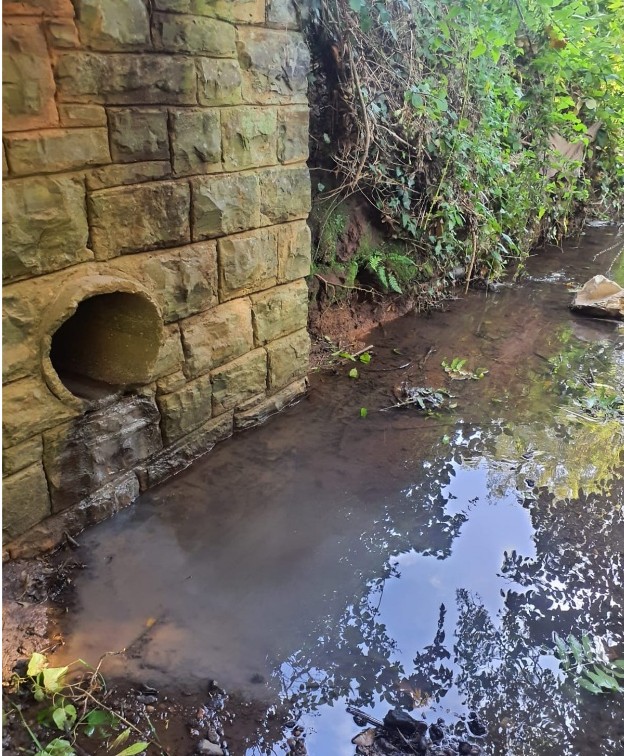 From there, Cat then works to build an understanding of what may be happening and follow the flow of water through manholes, outfalls and watercourses to see if she can identify any issues.
“I check everything and try to narrow it down step by step to understand the cause of the pollution so we can address it as quickly as possible.
“Sometimes it’s clear quite quickly whether there has been a misconnection but often it takes time as they can be difficult to find."
Building a clearer picture
As investigations progress, Cat explained that some cases require further detail to understand how the drainage system is connected and where the issue may be coming from.
“If we think the pollution is due to a misconnection but we need more detail to be able to tackle it, we work with specialist contractors for support ” Cat said.
“The contractors then carry out CCTV surveys of the network in the area I’m concerned about to help us pinpoint the areas we need to look at further.”
Working with homeowners
When a potential misconnection is identified, Cat will contact the property owner to explain what has been found and request permission for further investigations, including dye testing. Cat says this can come with its challenges.
“Most people are open to having further testing done once they understand what we’re looking at and why but it can take a while for us to get access,” Cat said.
“Sometimes people are unaware there is a problem and can be surprised to learn historic or hidden plumbing issues may be causing a pollution.
“When we get access, we put a harmless dye into the drainage system through their toilet and trace it to see if it is entering the correct system. If its not going the right way, we know there’s a misconnection and can work with the homeowner to come to a resolution.”
Fixing misconnections
In 2025, South West Water’s teams identified and worked to resolve 539 properties with misconnections, at a cost of over £200,000. Cat explained that this is often a lengthy process and can take months.
“From the first pollution alert, it takes around six to nine months to resolve a misconnection depending on how complex the system is and how easy it is to access properties. Sometimes it can take even longer,” Cat said.
“When I speak to people about misconnections in their home they are often surprised to learn they are private issues that they are responsible for putting right.”
Cat works closely with homeowners throughout the repair process to ensure the issue is properly resolved.
“We check that repairs have been completed and carry out further testing to confirm the problem has been fixed,” she said. “We also keep the Environment Agency updated throughout the process.”
"I liaise with customers regularly to encourage them to fix misconnections so we can keep our waterways clear,” she said. “It can be a difficult job at times, but I enjoy it because each investigation contributes to a wider effort to prevent pollution at source.“By tackling misconnections before they cause visible damage, we’re helping to protect rivers and streams across the region, one case at a time.”
James West, Operations Director at Glanville Environmental, which works alongside South West Water to tackle misconnections, added: “We are proud to see our multi skilled investigation teams working in close collaboration with South West Water and its customers to help reduce the environmental impact of pollution.
"This varied and challenging programme of work is extremely rewarding, allowing us to support those affected and deliver meaningful environmental outcomes.”
For more information about misconnections and the work South West Water is doing to tackle them, visit www.southwestwater.co.uk/misconnections.