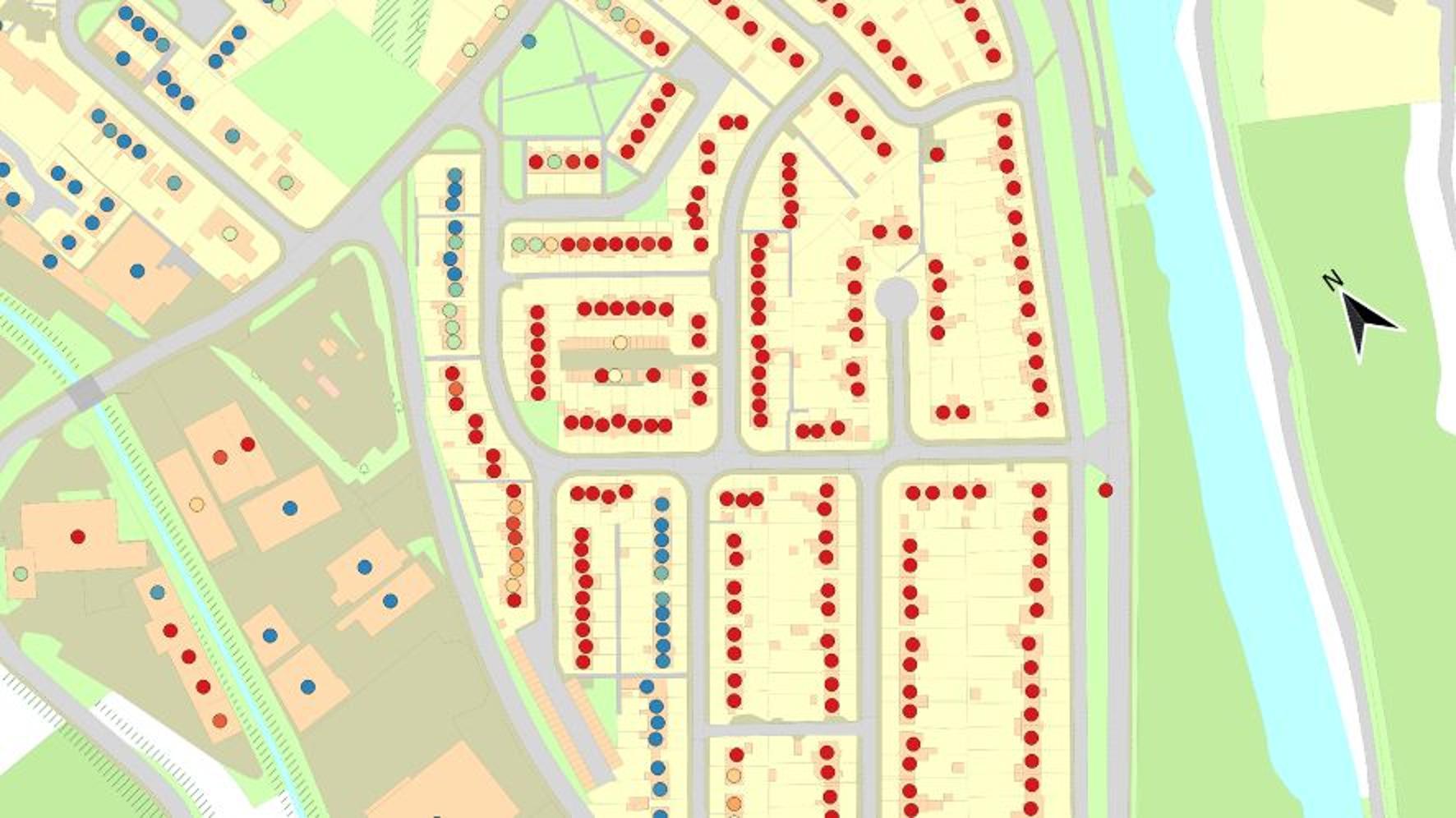
A new machine learning tool developed through the Centre for Resilience in Environment, Water and Waste (CREWW), a collaboration between South West Water and the University of Exeter, could help water companies identify properties most likely to be connected to lead service pipes.
The newly published study,The Effectiveness of Different Ground Truths at Detecting Lead Service Pipes Using Machine Learning, demonstrates how advanced data analytics can be used to predict the presence of lead pipes, and what data is needed for this to be effective, where historic records are incomplete or unavailable.
The project forms part of South West Water's wider lead reduction strategy, which includes removing thousands of lead pipes from its network as it works towards its long-term ambition of becoming lead-free by 2050.
By combining operational knowledge with academic research, the project is helping to develop smarter ways of locating lead pipes across South West Water’s network where historic records may be incomplete or unavailable.
Lead pipes remain one of the water sectors long-standing challenges. While no longer installed, legacy lead pipework can still be found in both public and private water supply systems, making their identification and replacement an ongoing priority for South West Water and other water companies.
The new tool uses machine learning techniques to analyse available datasets and predict where lead communication and supply pipes are most likely to exist.
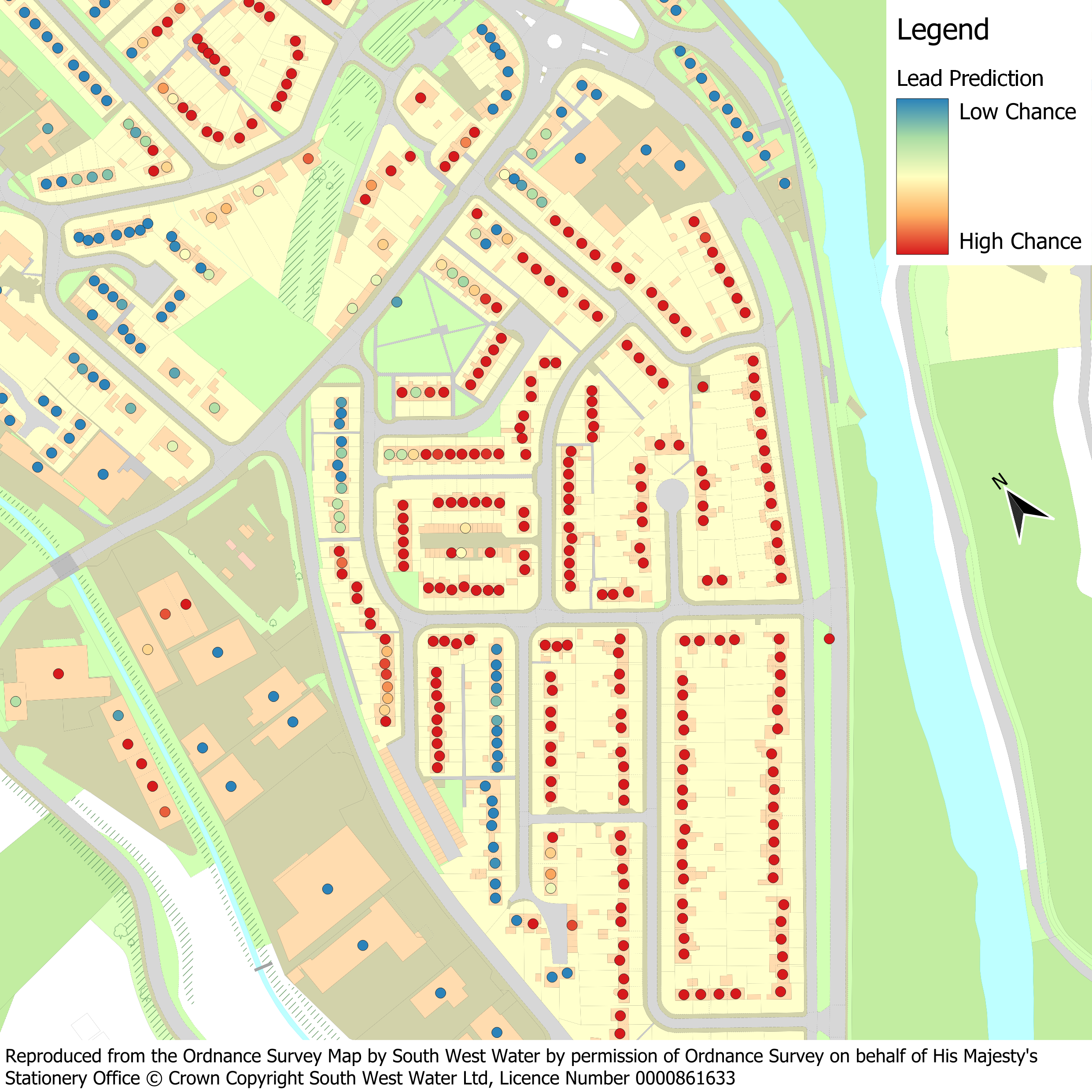
By helping target investigations and replacement programmes more effectively, the approach could reduce costs, improve efficiency and accelerate progress towards reducing lead pipework.
The publication is the latest example of how CREWW is bringing together academic expertise and operational experience to develop practical solutions to challenges facing the water sector, translating research into innovations that can deliver benefits for customers, communities and the environment.
Matt Hayslep, Postdoctoral Research Fellow from the University of Exeter, said: “Removing lead pipes is important from an industry, health, and environment point-of-view, and it is very exciting that our research is helping South West Water to do this more effectively.
“There have been a lot of interesting machine learning and data challenges which we continue to work hard to overcome and improve the tool. Our success so far demonstrates the value of industrial partnerships with the University of Exeter.”
Jason Harvey, Networks Transformation & Innovation Manager at South West Water, said: "Improving our understanding of where lead pipes are located is an important part of our long-term ambition to become lead-free by 2050.
"This project demonstrates how collaboration through CREWW can help turn research into practical tools that support operational decision-making. By using machine learning and advanced analytics, we're developing new ways to target investigations more effectively and improve how we manage our network."
For more information about the project visit https://creww.org.uk/