Richard Stanbrook, South West Water’s Drought Programme Director, explains the steps being taken to protect drinking water supplies during the prolonged drought, and why urgent action from customers and businesses is now essential.
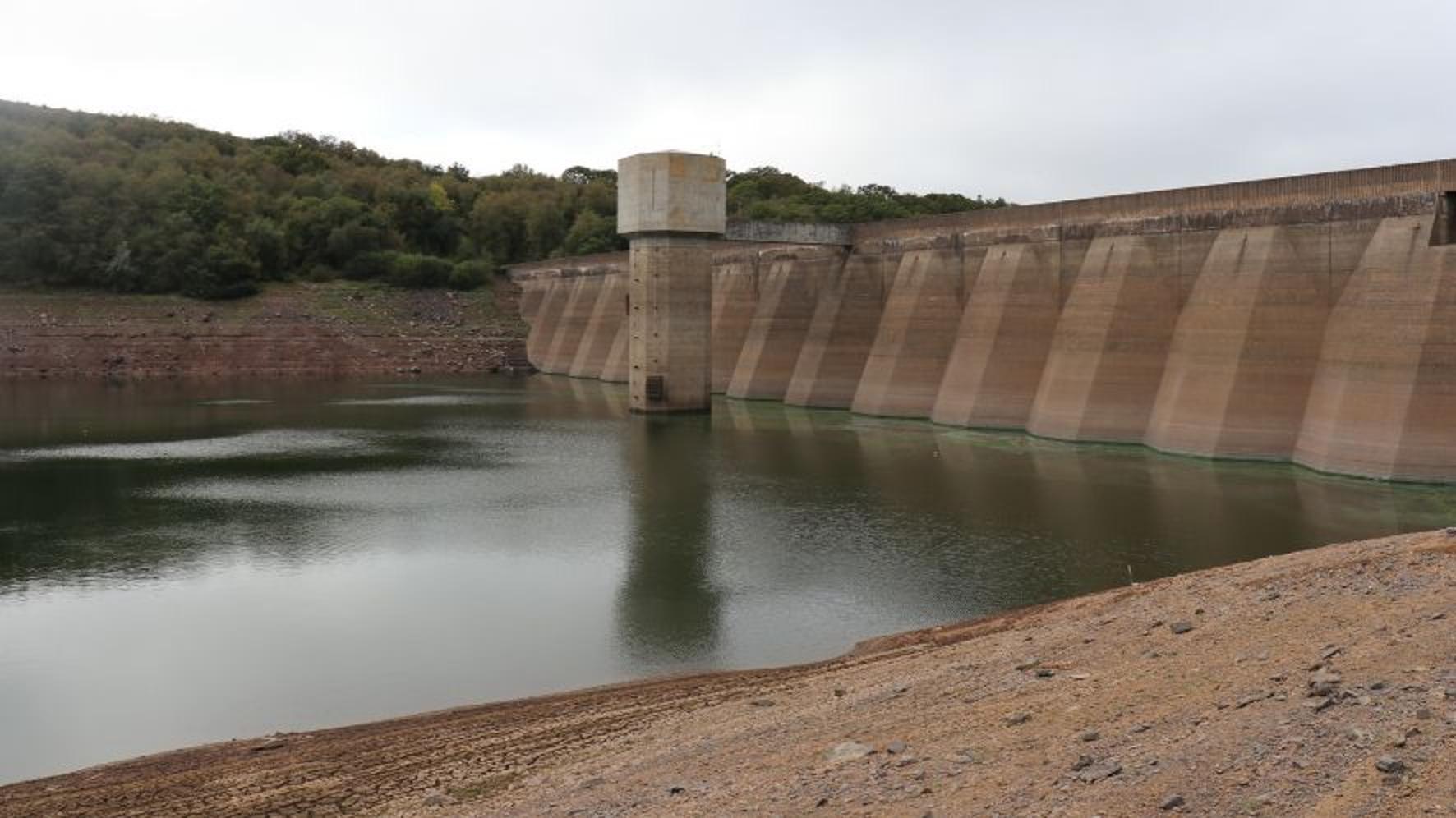
The South West is facing a critical challenge. Months of exceptionally dry weather and the hottest summer on record have left water resources under significant pressure, with some of our reservoirs now at critically low levels. Recent rainfall has provided some welcome relief but falls short of what is needed to secure a sustained recovery.
Last week, the Environment Agency announced that areas of Devon and Cornwall are in Severe Drought. Our overriding priority is to protect drinking water supplies while carefully managing the resources available to us. That means taking every practical step to strengthen supplies, reduce water losses and make every litre go further. It also means acting now to reduce demand across the region.
Defra has also approved the case for urgent consideration of further water restrictions. This underlines the seriousness of the situation and we cannot afford to wait for more restrictions before changing how we use water.
Taking urgent action to protect supplies
We are taking a range of measures to manage the impact of the drought, particularly in areas where reservoir storage is under the greatest pressure.
We are exploring opportunities to take additional water from rivers where flows allow, subject to regulatory approval, alongside the potential to increase treatment capacity at some of our water treatment works. We are also adapting operational arrangements and maximising available resources to help preserve reservoir storage while continuing to deliver safe, high-quality drinking water.
Across our existing network, we have already made changes to move around three million litres of water a day from areas under less pressure to where it is needed most. This helps reduce our reliance on Wimbleball Reservoir and makes better use of the water available across the region.
Leakage remains a priority, and we know customers rightly expect us to do everything possible to reduce water lost from our network. We have recruited around 40 new leakage technicians this year and are moving teams into areas where their work can have the greatest impact. This is helping us repair an average of 440 leaks each week. Since September, we have also supported more than 250 leaky loo repairs, helping customers reduce water losses in their own homes.
Alongside this, we are engaging directly with 85 high-volume business users to identify opportunities to reduce consumption, while nearly 800 household water efficiency audits have helped customers identify practical savings.
These measures demonstrate the scale of the action under way. We will continue to review our response and pursue every opportunity to protect supplies. But even these interventions cannot remove the need to reduce demand.
Building resilience for the future
Developing major new water storage takes considerable time, investment, planning and environmental assessment. That does not mean we have stood still.
Over the past 20 years, we have commissioned three former quarry pits at Park Lake, Stannon Lake and Blackpool Quarry, and acquired Hawks Tor, a disused quarry that can be used during drought. Repurposing these sites provides a quicker way to strengthen our network than building entirely new reservoirs. Together, they can provide up to 24 million litres of additional drinking water a day.
We are also progressing longer-term plans, including the Cheddar 2 reservoir scheme, which will provide 20 million litres of water a day. Alongside improvements to existing infrastructure and our ability to transfer water around the region, this will help build resilience against future droughts.
Every litre saved makes a difference
While we take action to protect supplies, we need every household and business to act now, not wait for further restrictions. Hosepipe restrictions have helped reduce demand, and we thank everyone who has supported them. But as we move further into autumn, outdoor restrictions alone cannot deliver the savings we need.
We are asking customers to look beyond the measures they may already have adopted and make an immediate, meaningful reduction in the water they use. That means taking shorter showers, turning off the water while brushing your teeth, running washing machines and dishwashers with full loads only, fixing leaking toilets and taps, and postponing water use that is not essential.
Businesses also have a vital role to play. While we recognise water is essential to many operations, we are urging businesses of every size to review their processes, repair leaks and identify where consumption can be reduced or water reused without compromising essential activities.
This is not about compromising health, hygiene or essential needs. It is about recognising that, during a severe drought, everyday habits must change. When millions of people make changes together, the collective impact can be significant.
Every unnecessary litre used today is water that cannot be kept in reserve for the weeks ahead. Reducing demand now gives us more time to manage remaining resources while rivers and reservoirs recover.
Rainfall is essential, but it will not resolve this drought overnight. After such a prolonged dry period, sustained rainfall is needed to replenish our resources and support environmental recovery.
We will continue to do everything we can to keep safe drinking water flowing to homes, hospitals, schools and businesses, from tackling leaks and managing our network to exploring additional resources and investing for the future.
We cannot control when sustained rainfall will return, but we can control how much water we use in the meantime, and we all have a part to play by acting now.