South West Water has applied for a ban on non-essential water use for some businesses across parts of Devon and West Dorset, after a lack of significant rainfall following the hottest summer on record.
The application has been sent to the Secretary of State for Environment, Food and Rural Affairs (Defra) for a drought order which would allow the water company to introduce restrictions on non-essential water use for affected businesses in the Exeter, Exmouth, Crediton, Sidmouth, Tiverton and surrounding areas across Mid and parts of East Devon, as well as a small part of Dorset including Lyme Regis.
The proposed non-essential use ban would include restrictions on:
- watering plants on commercial premises
- filling or maintaining certain non-domestic swimming pools and ponds
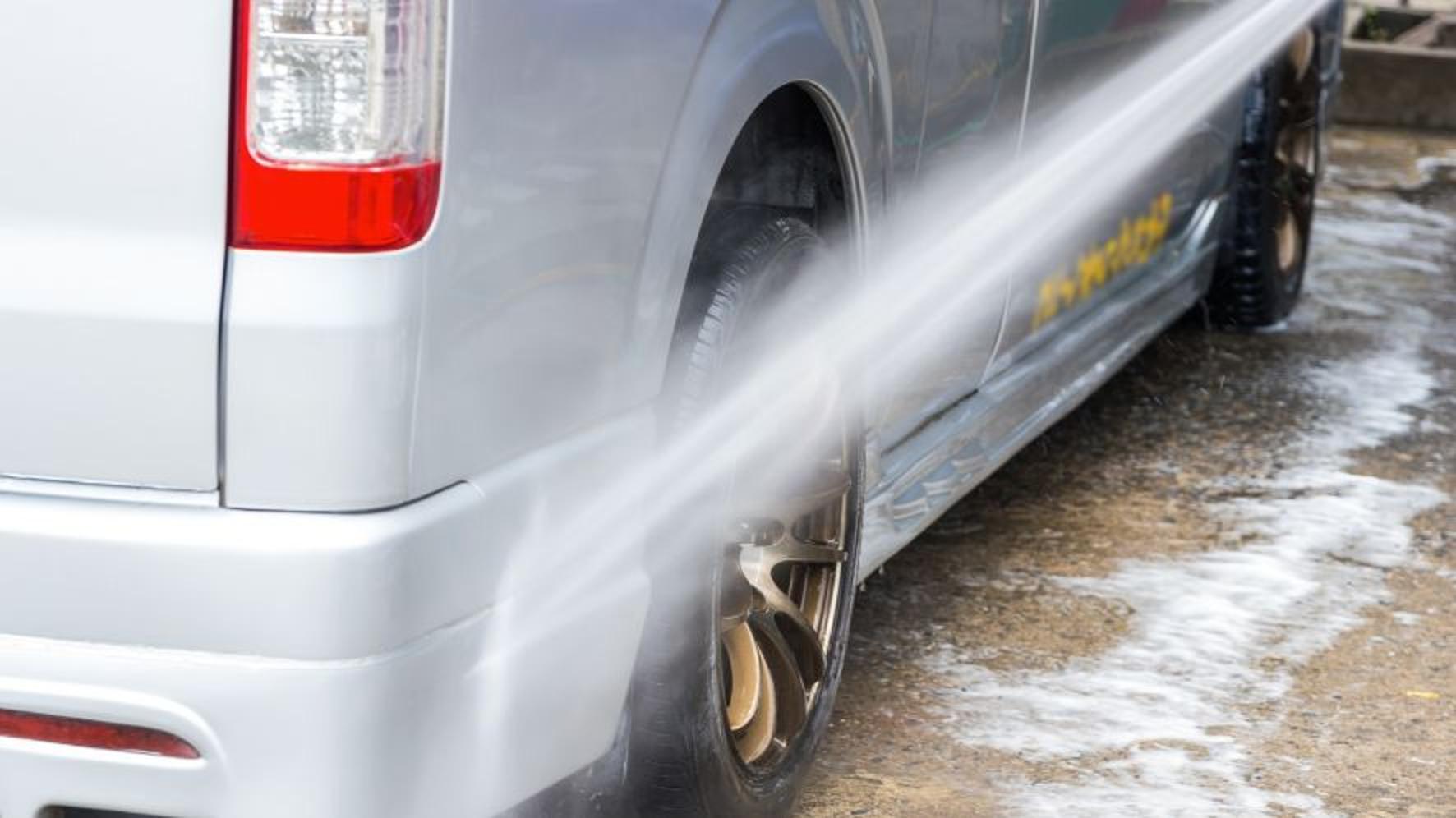
- vehicle washing
- cleaning non-domestic buildings and premises
- cleaning industrial plant
- dust suppression
- other specified non-essential uses of mains water.
Drought conditions continue across much of England. While some areas are expected to recover through the winter, the Environment Agency has said that parts of the country, including the South West, could remain in drought into spring 2027.
In some parts of the region, water that would usually be taken from rivers for public water supply has been fed from reservoirs since as early as March because river flows remain too low to meet customer demand, putting more demand on reservoir levels for longer.
While a non-essential use ban would not apply to household’s customers, a hosepipe ban remains in place for all South West Water customers.
Sam Bottomley, South West Water’s Director for Drinking Water Services, said: “The South West is entering a critical phase of an exceptionally prolonged drought. While recent rainfall is helping, water resources remain under significant pressure and South West Water continues to rely heavily on water stored in reservoirs to maintain supplies.
Every day we continue to draw on our reservoirs to keep water flowing to homes, businesses and communities while river flows remain below the levels needed to support public water supply.
Many people understandably think a drought is over once it starts raining. In reality, recovery takes much longer. After such a prolonged dry period, rainfall first has to replenish dry soils and the wider environment before rivers return to seasonal levels. Only then can reservoirs begin to recover properly.
Some of those rivers still remain at their lowest levels and with no significant rain forecast for the coming weeks, the immediate challenge is reducing demand and preserving enough stored water to maintain supplies until river flows and reservoir levels recover.
Applying for a drought order is a responsible step to help protect the environment and preserve the water we have available. Taking action now gives us the best opportunity to protect supplies, reducing the risk of further restrictions and supply outages while water resources remain under pressure.
While household customers would not be impacted, we recognise these restrictions have an impact on businesses, and we will provide clear guidance and support if the application is approved.
In the meantime, the hosepipe ban remains in place for all of our customers, and need customers to continue to take steps to reduce their water use as we do everything we can to protect water supplies.”
South West Water is continuing to closely monitor river flows, reservoir levels and other water resources as the region enters the autumn and winter period.
The company is also investing in the resilience of the region's water supplies, including fixing around 70 leaks a day, strengthening its network, improving reservoirs and treatment works, developing new water resources and supporting customers to use water more efficiently.
For more information, visit www.southwestwater.co.uk/non-essential-use-ban
More information about the proposed restrictions, including the specific area covered and when any restrictions would come into effect, will be provided if the application is approved.