South West Water has launched a new expert-led forum in partnership with the University of Exeter in a bid to improve the safety and quality of bathing waters across the South West.
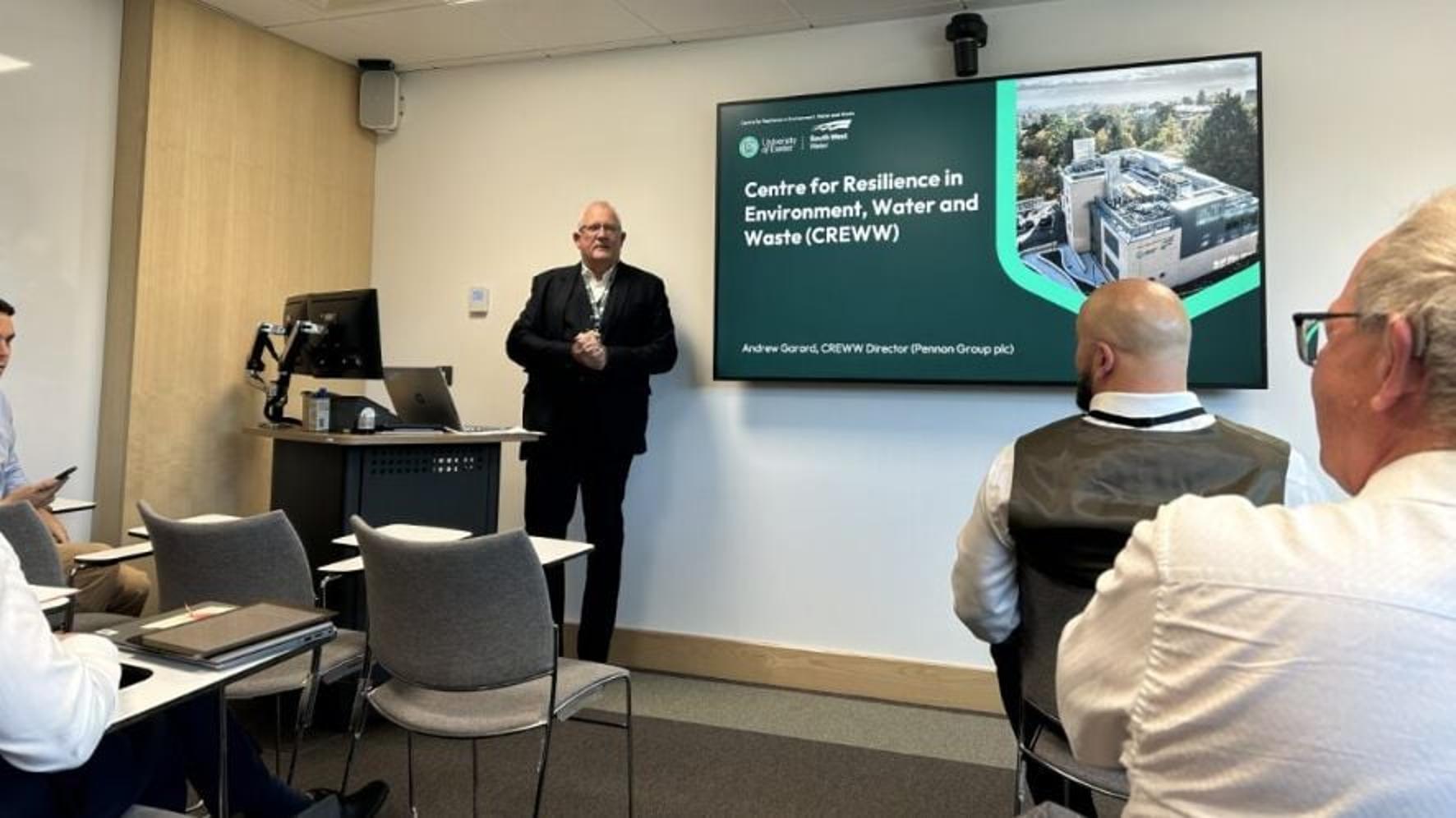
The Safe to Swim Forum, developed through the Centre for Resilience in Environment, Water and Waste (CREWW), brings together leading scientists, public health specialists, regulators, water companies, and local authorities, to use expert knowledge, research, and collaboration to plan evidence-led solutions.
The forum will look at how to better measure the risks from harmful bacteria in bathing waters and provide clearer, more reliable guidance on when it is safe to swim.
The group recently held its inaugural meeting with experts from the Environment Agency, UKHSA, Newcastle University, University of Exeter, Devon & Torbay Combined Authority, and Northumbrian Water all contributing to the discussion.
Exploring key challenges
The forum explored the key challenges facing South West beaches, including dated bathing water quality monitoring methods which have not been updated since the 1980s, fragmented data, and the rising recreational use of coastal waters.
They discussed how modern science, real-time monitoring, and region-specific data can improve risk assessments, inform the public, and reduce unnecessary beach closures.
They also considered the social and economic importance of safe, high-quality bathing waters, recognising that beaches play a vital role in tourism, local livelihoods, and community wellbeing.
By bringing together expertise from regulators, academics, water companies, and public health specialists, the forum began mapping out a collaborative, science-driven roadmap for the future of bathing water management.
Looking to the future
Following the success of its first gathering, members of the Safe to Swim Forum are focusing on turning these discussions into action by:
• Developing a forward-looking roadmap to modernise bathing water management across the region
• Driving research and innovation, including CREWW-led studies and advanced monitoring technologies
• Enhancing public information on bathing water quality and safety by providing clear, timely, and local guidance to support safe swimming
• Strengthening the collaboration involved in the management of bathing waters by ensuring knowledge is shared across regulators, water companies, academics, and local authorities
Andrew Garard, Group General Counsel and Company Secretary at South West Water and CREWW Board Member, said: “The Safe to Swim Forum is about bringing the very best scientific minds together to plan for a future where people are informed about their bathing waters and can enjoy swimming safely."
"By combining research, innovation, and collaboration, we can ensure our beaches remain clean, safe, and resilient for generations to come.”
Sean Anstee, Director of Operations at Devon & Torbay Combined Authority added: “The visitor economy supports around 33,000 jobs across Devon and Torbay, and our natural environment is central to both wellbeing and tourism."
“The Safe to Swim Forum provided an opportunity to discuss the link between the socio-economic benefits of clean bathing waters alongside the advances in real time water quality monitoring, to help people make informed decisions and support our tourism and hospitality sectors to grow and thrive.”
Professor Richard Brazier, Director of CREWW from the University of Exeter said: “High-resolution, near real-time understanding of bathing water quality is within our grasp if we bring together innovative ways to both monitor and model the waters that we all enjoy around the UK coastline. Sharing up-to-date information to enable safe swimming, target management interventions and give the wider public confidence in the quality of our waters will be a major outcome of the evidence-based work of this forum.”
About CREWW
The Centre for Resilience in Environment, Water and Waste (CREWW) is a joint initiative between South West Water and The University of Exeter which will undertake research into some of the most pressing environmental challenges of our time.
These include:
- Protecting the water supply network
- Maintaining a sustainable water supply-and-demand balance
- Predicting and preventing storm overflows and pollutions
- Safely treating and transporting wastewater
- Understanding environmental resilience
- Enabling a transition to Net Zero
CREWW projects bring together experts to further our understanding of these challenges, so we can improve services to benefit customers, grow our economy, and reduce our environmental impact.