From choosing drought-resistant plants to making every drop of water count, South West Water is showing gardeners how to future-proof their outdoor spaces against drought and a changing climate, taking inspiration from its own ‘Waterwise’ garden.
Months of exceptionally dry weather and the hottest summer on record have left water resources under significant pressure, with some reservoirs at critically low levels. Whilst recent rainfall is welcome, after such a prolonged dry spell, sustained rainfall is needed to replenish our resources and support environmental recovery.
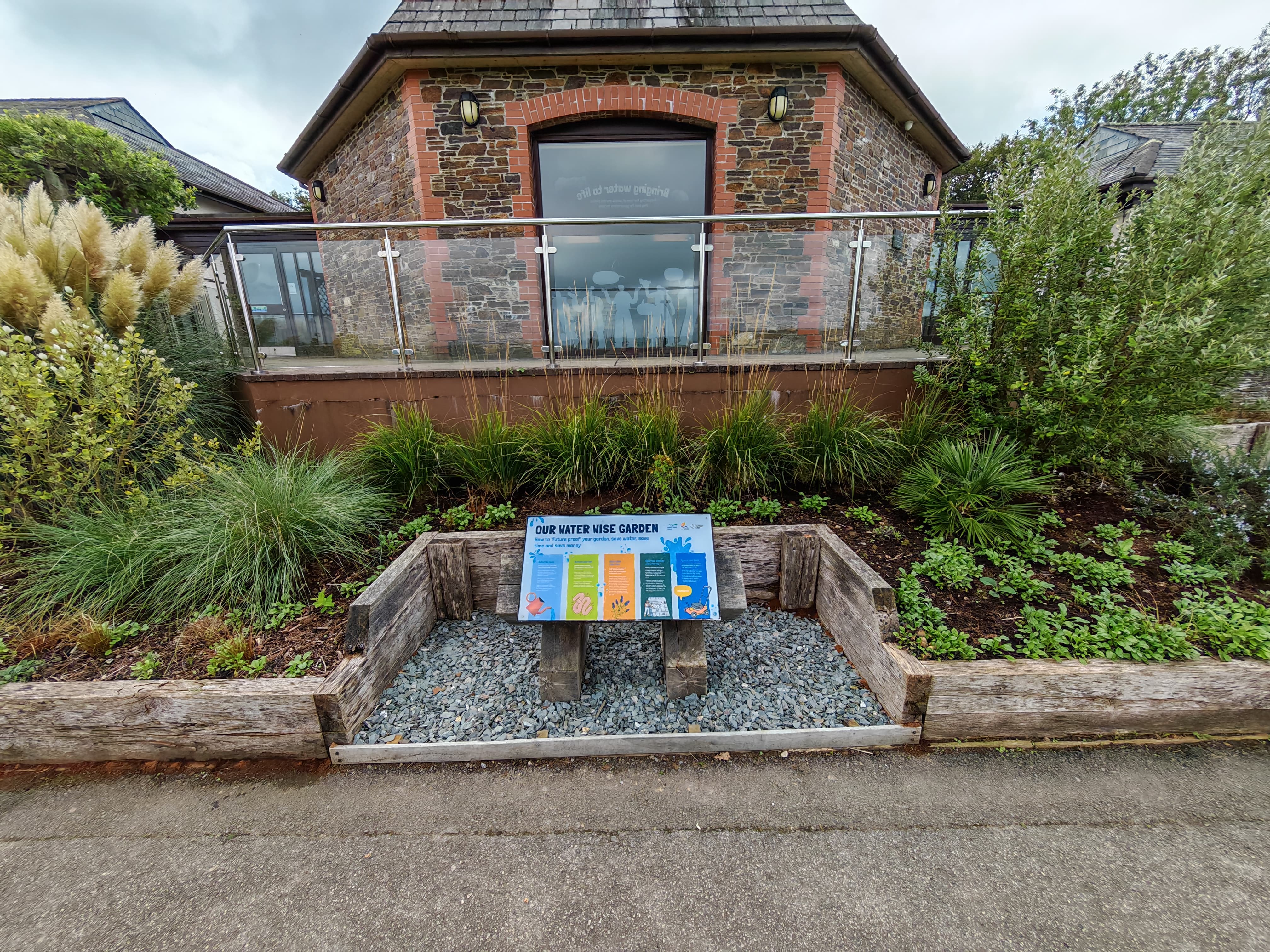
Working with gardening expert Sue Fisher, the water company created a striking Waterwise garden beside Roadford Reservoir which blossomed into a colourful and thriving space that requires little watering.
Sue said: “The Waterwise garden outside the Visitor Centre at Roadford Reservoir is packed with ideas on how to future-proof your garden for greater resilience and sustainability to save water, time, and money.”
The Waterwise garden was commissioned in 2024 and is an excellent example of how to plan a resilient garden in the face of future climate uncertainty.
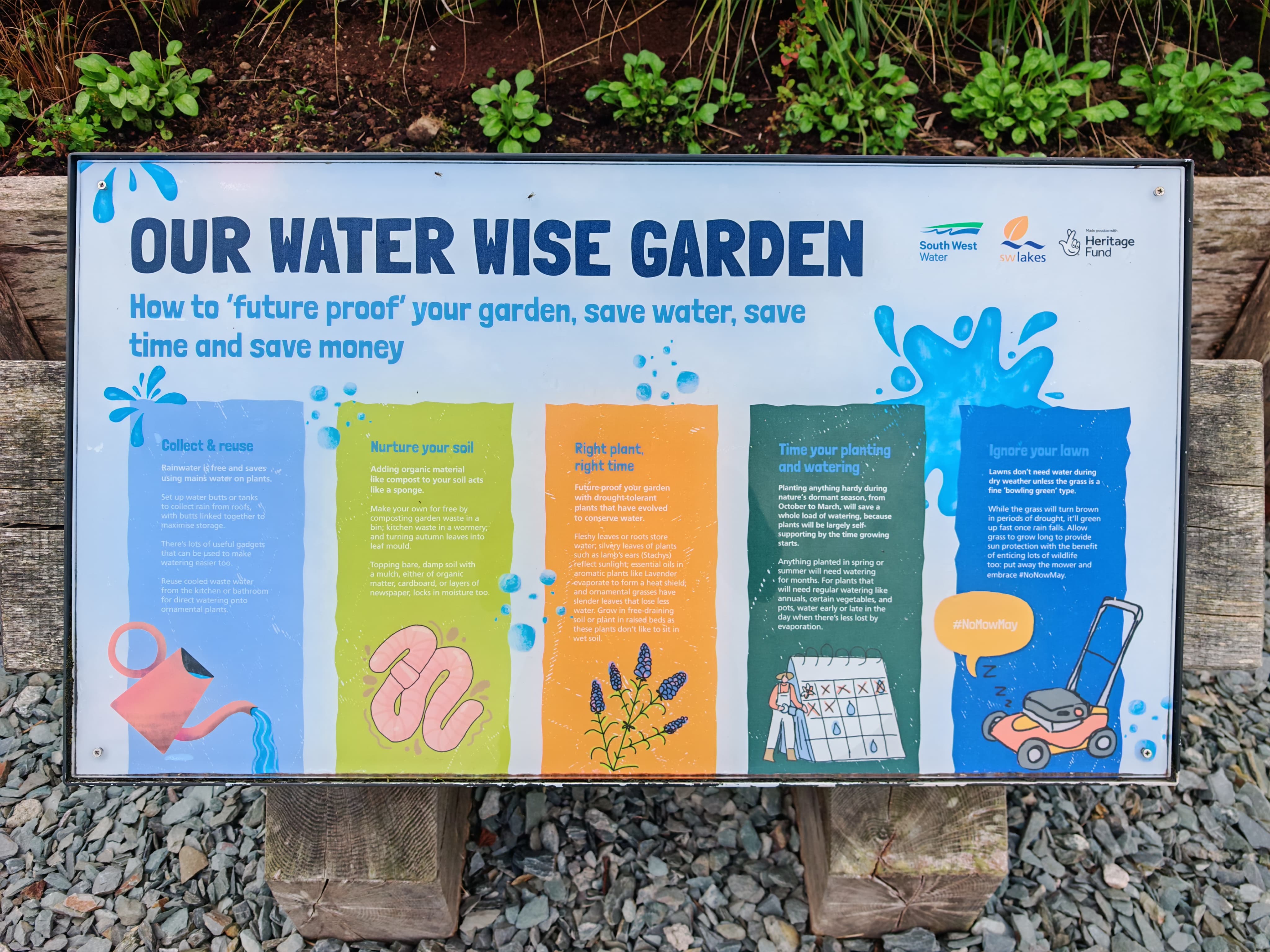
To mitigate the impacts this extreme weather might have on gardens, Sue suggests some resilient plant species which are featured in the Waterwise garden: “A diverse range of beautiful plants have been chosen for their drought-tolerant properties such as fleshy leaves or roots that store water; silvery foliage that reflect sunlight; essential oils in aromatic plants like Lavender evaporate to form a heat shield; and ornamental grasses which have slender leaves that lose less water.”

A hosepipe ban remains in place across the South West. These restrictions have helped reduce demand, but as we move further into winter, outdoor restrictions alone cannot deliver the water savings needed.
South West Water is asking customers to look beyond the measures they may have already adopted and make an immediate, meaningful reduction in the water they use.
Not only is it important to factor in drought-resistance when deciding which plants to grow next year but considering extreme weather can also help to future-proof landscaping plans.
Sue talks about some innovative ways in which the Waterwise garden retains water: “The sloping site has been terraced using natural and reclaimed materials, so rainfall is retained rather than running away. Using organic matter to mulch the soil between plants also helps retain moisture in the soil.”
The colder months are also a great time to pack in absorbent materials that will prevent soil from drying out in future heatwaves. Adding compost to beds and pots and applying a thick layer of mulch to the surface of soil helps to retain moisture from rain.
Another way of preserving water is by sourcing a water butt to collect the rainwater during wetter months. This is a proactive way to save water to then use for gardening during future dry spells.
South West Water also highlights the importance of understanding that grass is more resilient than it might appear. Now we are beginning to see the return of rain, grass that was once yellowed and dry will have recovered. This is because grass goes into dormant state to conserve energy during dry conditions so that it doesn’t need to be watered.
The water company encourages customers to get ahead of the curve and learn how best to prepare and strengthen their gardens to reduce the need for excessive watering in the future.
As well as asking customers to do their part to reduce water demand, South West Water is continuing to invest significantly in its infrastructure.
This includes repairing around 440 leaks a week and transferring three million litres of water a day to areas where it is needed most. It is also exploring additional water sources and working directly with households and high-use businesses to reduce consumption.
Megan Williams, Water Efficiency Delivery Manager at South West Water, said: “We are very proud of our Waterwise garden at Roadford Reservoir. It is an excellent example of the resilience plants have even in the face of extreme dry weather like that which we saw this summer.
We hope that it will encourage our customers to consider drought resistance when planning their gardens and maybe reconsider repurchasing plants which grow during the dry weather.
By choosing waterwise plants gardeners can reduce the amount of water they use to water their garden without detriment to the plants themselves. Using water wisely is more important than ever as we head into a future of climate uncertainty.”