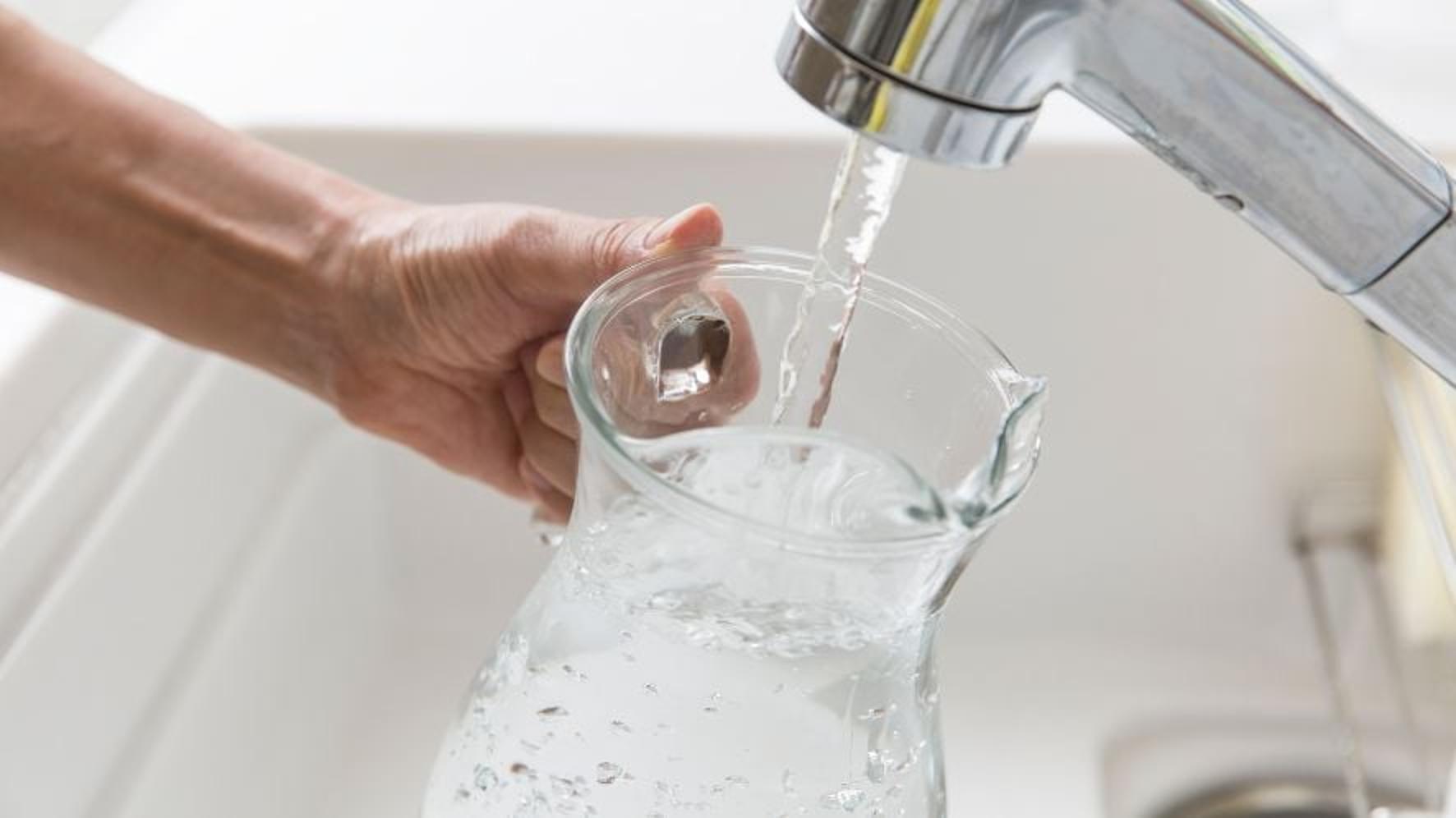
When you turn on your tap, safe, clean water arrives instantly, and behind that everyday moment is a vast, complex, carefully managed system working around the clock across the South West.
It relies on science, skilled people and constant monitoring to keep water safe, whatever the weather. For Water Saving Week, South West Water is highlighting 10 things you may not know about your tap water, and why it’s so important to save it where you can.
1. Much of it starts as rain on the moors
A large amount of the South West’s drinking water begins as rainfall on Dartmoor, Exmoor and Bodmin Moor. These upland areas are carefully protected, with little development or industry, which helps keep the water cleaner before it reaches the rivers and reservoirs.
Rainwater runs over the land and into streams and rivers, eventually collecting in reservoirs.
2. Every drop is carefully treated before you drink it
Before water reaches homes and businesses, it is treated at specialist water treatment works. This process removes particles, manages naturally occurring substances and kills harmful germs. The treatment process may sound simple, but it is tightly controlled and designed to meet some of the strictest drinking water standards in the world.
3. Your tap water is tested again and again
Water quality checks don’t stop once treatment is finished. Samples are taken regularly from treatment works, storage tanks, pipes and even customer taps. These tests are carried out by trained scientists, support by laboratories, to make sure water stays safe all the way to your home.
4. Tap water is very closely regulated
Drinking water in England is among the safest in the world and is independently regulated and must meet strict legal standards. Results are reported regularly and checked to make sure companies are meeting their responsibilities.
In some countries, people still have to boil their water all the time before they can drink it.
5. The way water is treated changes with the weather
The weather has a bigger impact on water than many people realise. Heavy rain can wash soil, fertiliser, animal waste and debris from roads, fields and towns into rivers and streams, while dry spells can change water chemistry.
Because of this, treatment works are constantly adjusted. Operators fine tune the process every day to make sure water quality stays the same, whatever the season.
6. Water is part of a continuous cycle
Water doesn’t disappear after it goes down the plughole. It is collected through the sewer network and cleaned at wastewater treatment works before being safely returned to the environment.
7. It doesn’t all come from reservoirs
While reservoirs are important, drinking water in the South West also comes from rivers and underground sources known as aquifers. Around 10% comes from groundwater sources, with rivers and reservoirs each making up around a half of the remaining supply on average.
In wetter years we're able to use more river water, but in dry years there isn't as much water available in rivers so we have to rely more on water stored in our reservoirs.
8. Summer tourism puts extra pressure on supplies
The South West is a popular holiday destination, and in the summer months the population grows hugely in many areas. This means much higher demand for water at certain times of year. Careful planning, extra storage and constant monitoring help make sure there is enough water for residents and visitors, even during busy periods.
9. Fixing leaks is a challenge we all face
We’re focussed on finding and fixing leaks, driven by enhanced digital tools, fixed network loggers, and targeted campaigns. about increased our boots on the ground/resource and finding and repairing more leaks than before? We've increased our boots on the ground to find and repairing more leaks than before, with plans to halve leakage levels by 2050.
Many people don’t realise that around 30% of leakage is from pipes that customers own. There are simple ways you can check for leaks at home so you can make a repair and save water as well as money on your bills if you’re on a meter. For more information, visit www.southwestwater.co.uk/household/help-support/report-a-problem/leak
10. Water is a precious resource
Much of what customers pay for goes on work most people never see: protecting water sources, maintaining pipes, testing quality and responding quickly when things go wrong. All of it is about making sure clean, safe water is there whenever you turn on the tap. Being careful with water helps to ensure there’s enough to go around, and protects the natural environment.
Due to factors like climate change and population growth, by 2050 the average daily water usage will need to fall from 145 litres to 110 litres per person, per day. If you’re on a meter, saving water will reduce your bills. Using less heated water can also bring down your energy bills.
To find out more about how to save water at home and in the garden, and for information on free water-saving devices, visit Save water | South West Water