Kim Williams, South West Water’s Head of Water Resources & Water Efficiency, explains why saving water remains essential despite heavy rain, and why we must all act now.
Asking customers to save water after a week of rain may understandably raise eyebrows. With the first named storms of the season, it is reasonable to wonder why we still need everyone to use less.
While the weather has changed, the pressure on our water supplies remains critical. We need households and businesses to act now, and we want you to understand why your help still matters.
This year’s weather shows why we need to think about water differently. Months of exceptionally dry conditions and the hottest summer on record have started being followed by some heavy rain and stormy weather. Yet a change in the forecast does not mean the effects of drought have disappeared.
Our climate has changed. Rising temperatures and the risks associated with extreme heat and heavy rainfall are challenges we must manage today. Protecting water supplies means preparing for both prolonged dry periods and intense rainfall, sometimes within the same year.
This challenge extends well beyond the South West. Nationally, the Let’s Save Water campaign encourages households across all of England and Wales to make lasting changes to how they use water. Although the pressure on supplies varies between regions, using water wisely matters everywhere.
Every litre delivered to our taps has to be collected, transported, cleaned, treated, and returned to the natural environment. Reducing what we use helps protect water resources and limits the energy needed to supply it. Water remains precious whatever the weather.
Why we need action now
Here in the South West, parts of Cornwall and Devon are in Severe Drought, and some of our reservoirs are at critically low levels. We need households and businesses to reduce unnecessary water use now to help preserve supplies over the weeks ahead.
Rainfall is helping, however, recovery depends on how much falls, where it falls and whether it continues. Heavy rain in one community does not necessarily mean the sources supplying its drinking water have recovered.
A storm can bring local flooding without replenishing depleted resources across the wider region. We need sustained recovery in our rivers and reservoirs before the pressure eases. Acting now gives us more time to manage the water available while that recovery takes place.
We must play our part
Asking customers to save water comes with a clear responsibility for us to lead by example.
We have increased our leakage workforce and focused teams on our most stressed areas to help us repair hundreds of leaks each week.
We’re also moving water around our network, adapting how we operate and pursuing additional resources where approvals allow. Investment in storage, treatment and connections between supply areas is strengthening our resilience.
Every Drop Counts
While a hosepipe ban remains in place for all our customers across the South West, we recognise these restrictions have less impact now fewer people are watering gardens or washing cars. That makes changes inside homes and businesses particularly important.
There are practical steps you can take at today:
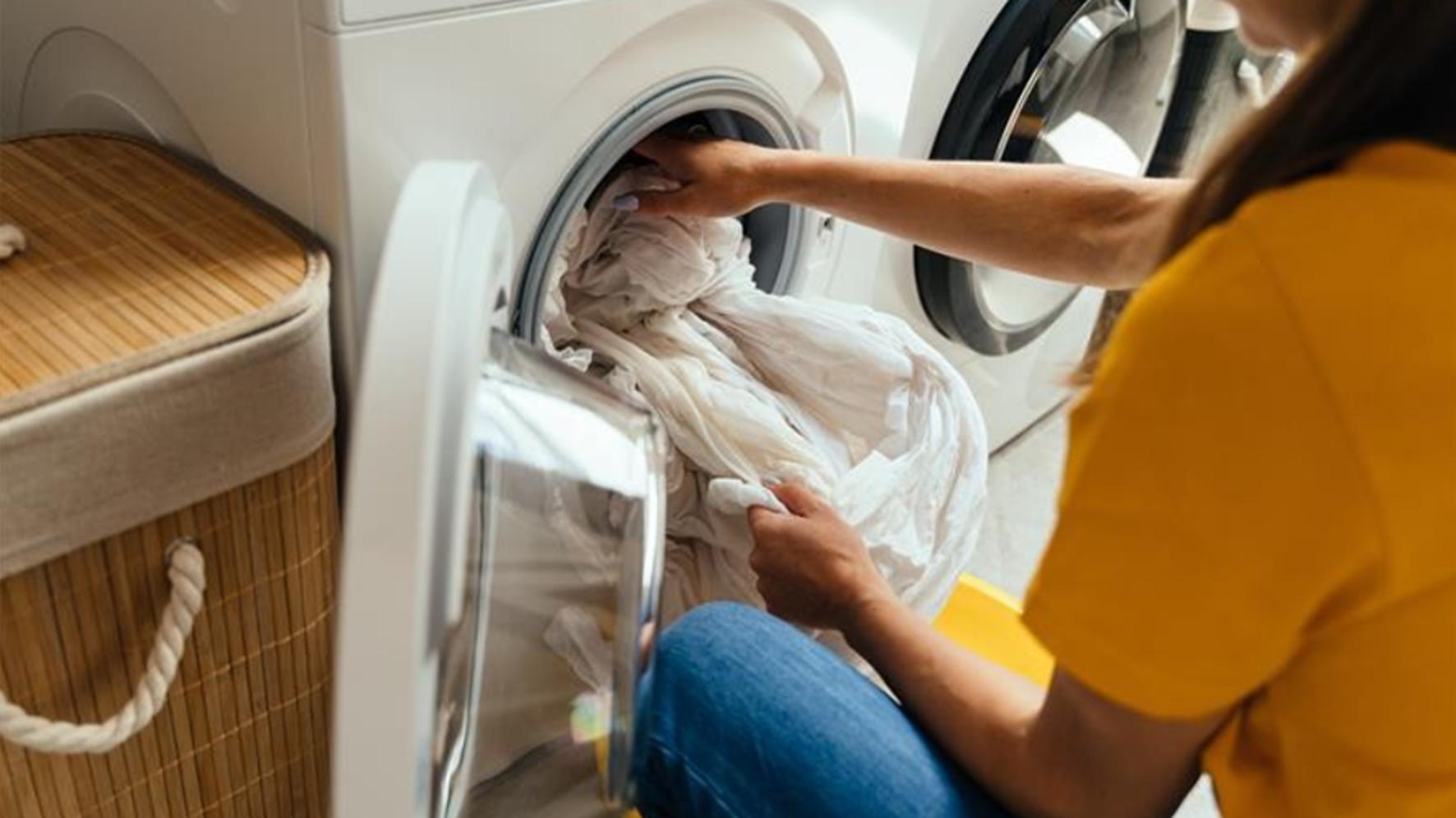
- Switch washing machines and dishwashers to eco mode, saving between five and 15 litres per cycle, depending on the appliance. Run full loads and avoid unnecessary pre-rinsing.
- Use a washing-up bowl. A running tap uses around 10 litres a minute, while a bowl uses around 10 litres for the whole wash.
- Cut two minutes from a daily shower to save around 28 litres, depending on its flow rate. A timer or a favourite song can help.
- Check for quiet leaks. A leaking toilet can waste up to 400 litres a day, while an unchecked dripping tap can waste around 5,000 litres a year.
While we await the outcome of our application to ban non essential water use for some businesses across Mid Devon and parts of East Devon and Dorset, we cannot wait for further restrictions to save water.
Businesses of every size have a vital role to play and we have already identified 85 businesses that use a lot of water who we can support with reducing consumption. While water can be essential to many operations, reviewing processes, repairing leaks and looking at how water consumption can be reduced or reused without compromising essential activities will make a huge difference.
We were delighted to see recently that Devon and Somerset Fire and Rescue Services have voluntarily taken steps to do its part in preserving as much water as it can during the severe drought, including limiting vehicle washing to what is necessary for safe and legal operation and not using mains water during drill nights and training that doesn’t involve live fire.
Support to help you save
To help save water around the home, customers can complete a short questionnaire on our website here to access free water-saving devices suited to their home. Since June, South West Water has given over 20,000 devices to customers to help lower their water use.
Businesses can help by checking fittings, monitoring consumption and reviewing cleaning routines and equipment. We are also offering selected businesses free water-efficiency visits, identifying improvements and fitting suitable devices with their agreement. During all of this, we know that health, hygiene and essential operations must remain protected.
We will keep tackling leaks and strengthening supplies, and we are committed to keeping you updated on our water resource position over the coming weeks and months.
You can follow our social media channels, or visit our severe drought webpage. Thank you to everyone already saving water. Your efforts matter, but the position remains critical. Please look again at what you can save today.