24th November 2026
An update from Richard Stanbrook, South West Water’s Drought Programme Director
“Reservoir levels continue to improve. Recent rainfall, water savings by households and businesses, and our work to repair leaks and move water around the network are all helping us build up storage.
We’re heading in the right direction, but there’s still a long way to go. Please keep using only what you need, even on wet days, to help us prepare for another potentially dry summer.”
Previous updates
Drought vs severe drought
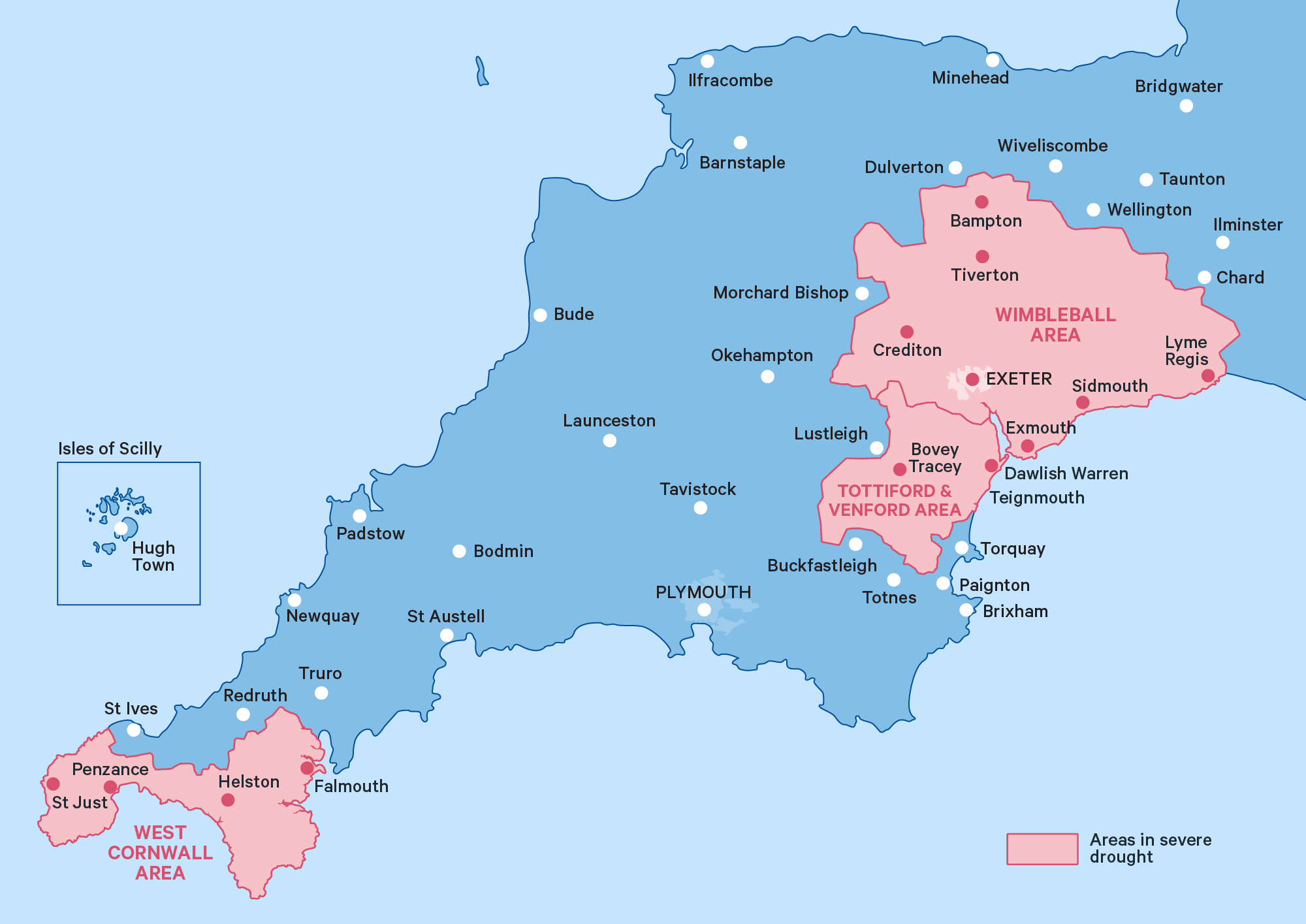
Water resources across much of the South of England are depleted, but some areas have been hit harder than others. On 15th October the Environment Agency confirmed that parts of Devon, Dorset and Cornwall are in severe drought, and they still are today. You can find out if you’re in one of these areas through the map or using the postcode checker below.
Why has this happened?
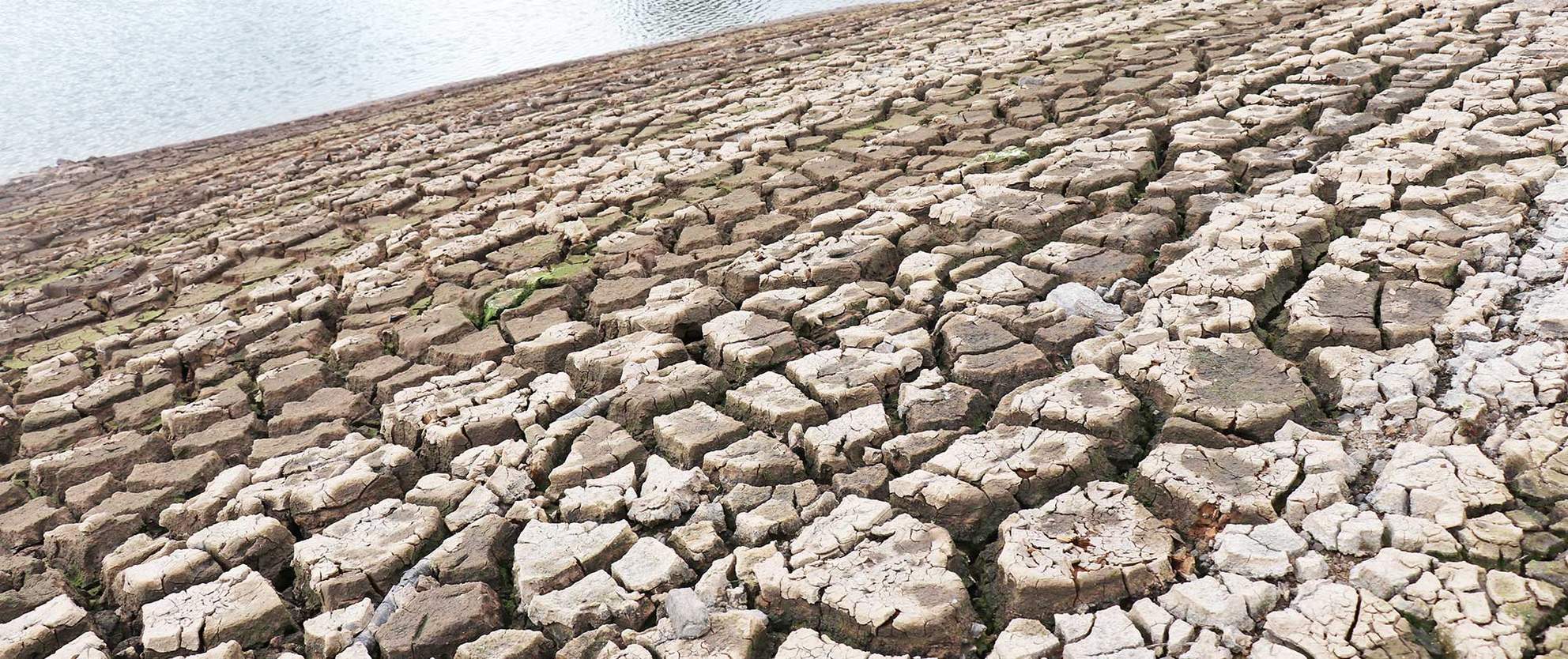
Following the hottest summer ever recorded and dry weather that continued through September and early October, rivers and reservoirs in the South West reached exceptionally low levels. This weather also dried up the ground, so much of the early rainfall was absorbed by dry soil, rather than adding to river flows.
In autumn and winter, we usually take water from rivers to supply customers and top up reservoir stores which have run low over the summer. But until recently, river flows haven’t been strong enough. This means we’ve had to rely on the water that’s stored in your local reservoir for a lot longer than usual. Although reservoir levels are beginning to rise slowly, but they’re still much lower than they should be at this time of year.
You can find more information about our reservoir levels here.
The areas now in severe drought, in our supply area, are shown below.
Check if you're affected
Please enter your postcode in the box below to check if you are in the severe drought area.
We all need to save water
Thank you for all you’ve done to save water so far this year.
At this critical point, please continue to use less water to help water resources recover. Every Drop Counts.
Small changes to your routine can make a big difference. Here are three simple things you can do to use less:
- Take shorter showers - a shower uses ten litres of water a minute. Try to keep your shower to four minutes or less.
- Turn the tap off when you brush your teeth - this could save as much as 20 litres of water each time you brush.
- Check your loo for leaks - these can waste up to 400 litres a day. See our leaky loo blog for more information.
There are plenty of other small changes you can make to reduce your water use, at home and at work. Find out more ways to save water.
What we’re doing
We’re focusing more resource to fix leaks and moving water around our network to make the most of the supplies we have while rivers and reservoirs recover. We’ve also been working proactively with businesses that use a lot of water to help them find ways to use less. However, we also need everyone to use less water to help reservoir levels recover in this critical phase of the drought. Every Drop Counts – small changes make a big difference.
Managing pressure in the network
Water pipes operate under very high pressure, which can sometimes lead to leaks and bursts. We’ve been reducing this risk for decades by carefully managing the water pressure in different parts of the network. Now, as severe drought conditions have put extra strain on water pipes and supplies, we’ve been carrying out more pressure management in more areas to help reduce water loss.
For most homes, pressure management doesn’t make a noticeable difference to the water supply. But some people may spot slight changes in their water pressure.