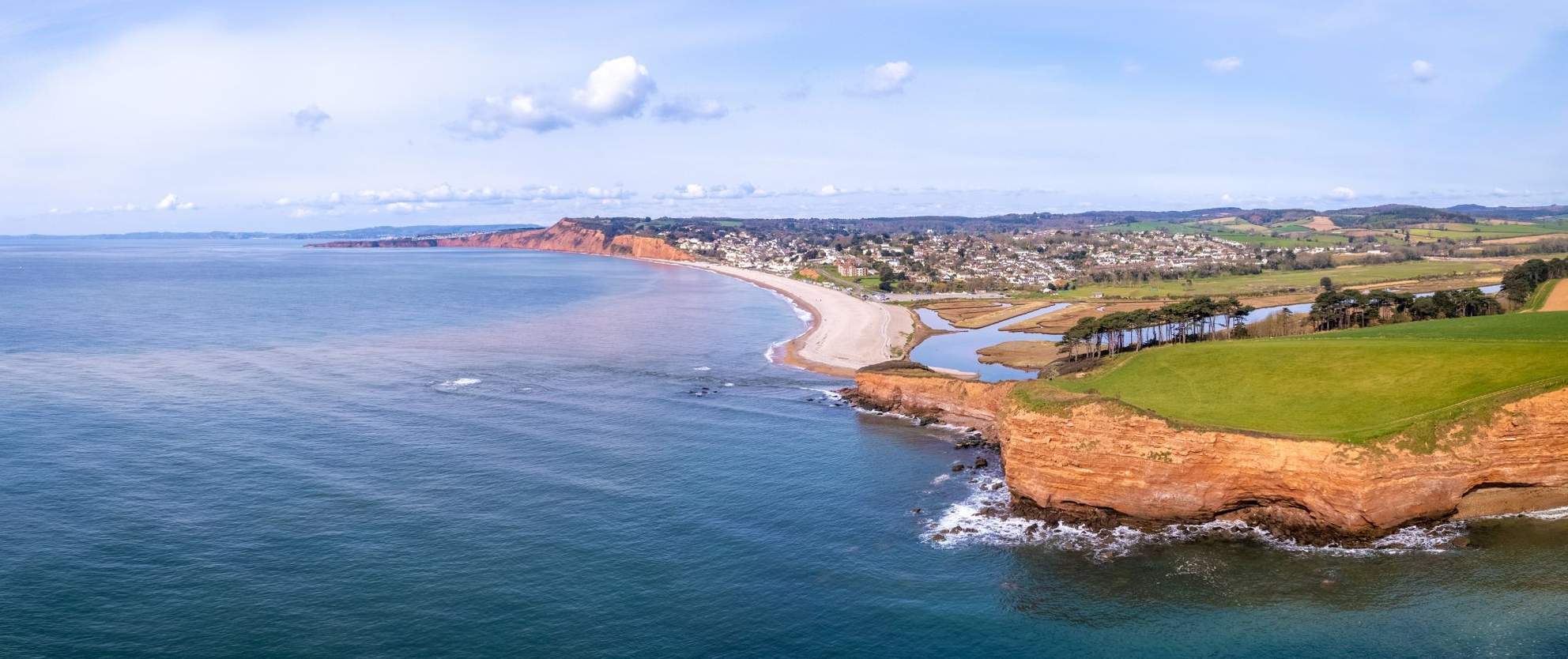
Water infiltration in Budleigh Salterton
This additional water increased the volume flowing through the sewers and raised the risk of storm overflows operating. By repairing damaged pipes, the volume of water travelling through the network was reduced, helping to lower the risk of spills and pollution from these assets.
Work in Budleigh Salterton
Sewers in Chapel Street, Queen Street Road and Chapel Hill Road were repaired using the latest lining technology, which reduced the number of excavations needed, as all repairs were completed from within the pipes.
1. Preparation
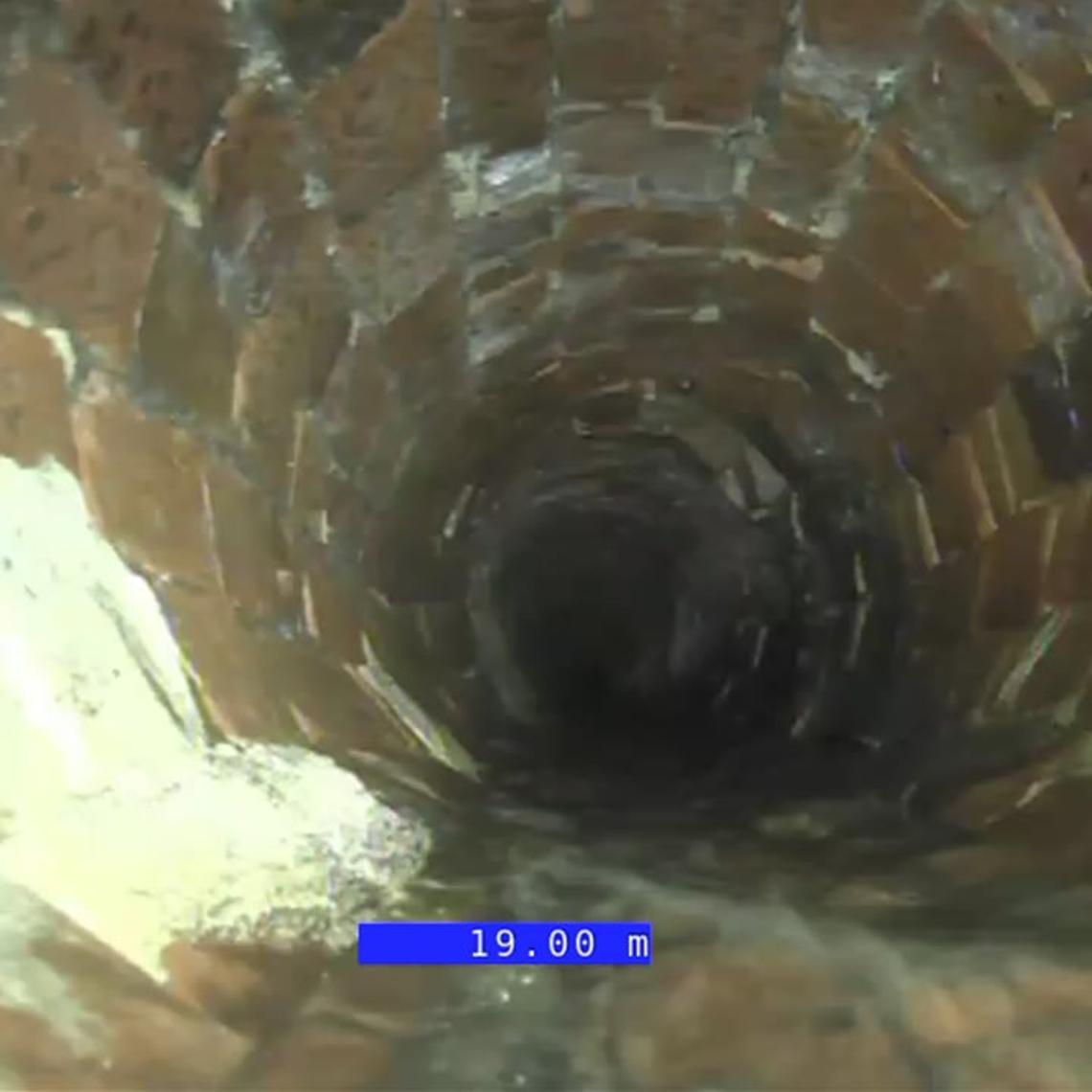
Before lining starts, the sewer is diverted using an overland pipe. The empty section is then cleaned and inspected with a CCTV camera. Pipes connecting into the sewer are accurately mapped so that the connections can be re-opened once the sewer has been lined.
2. Inserting the liner
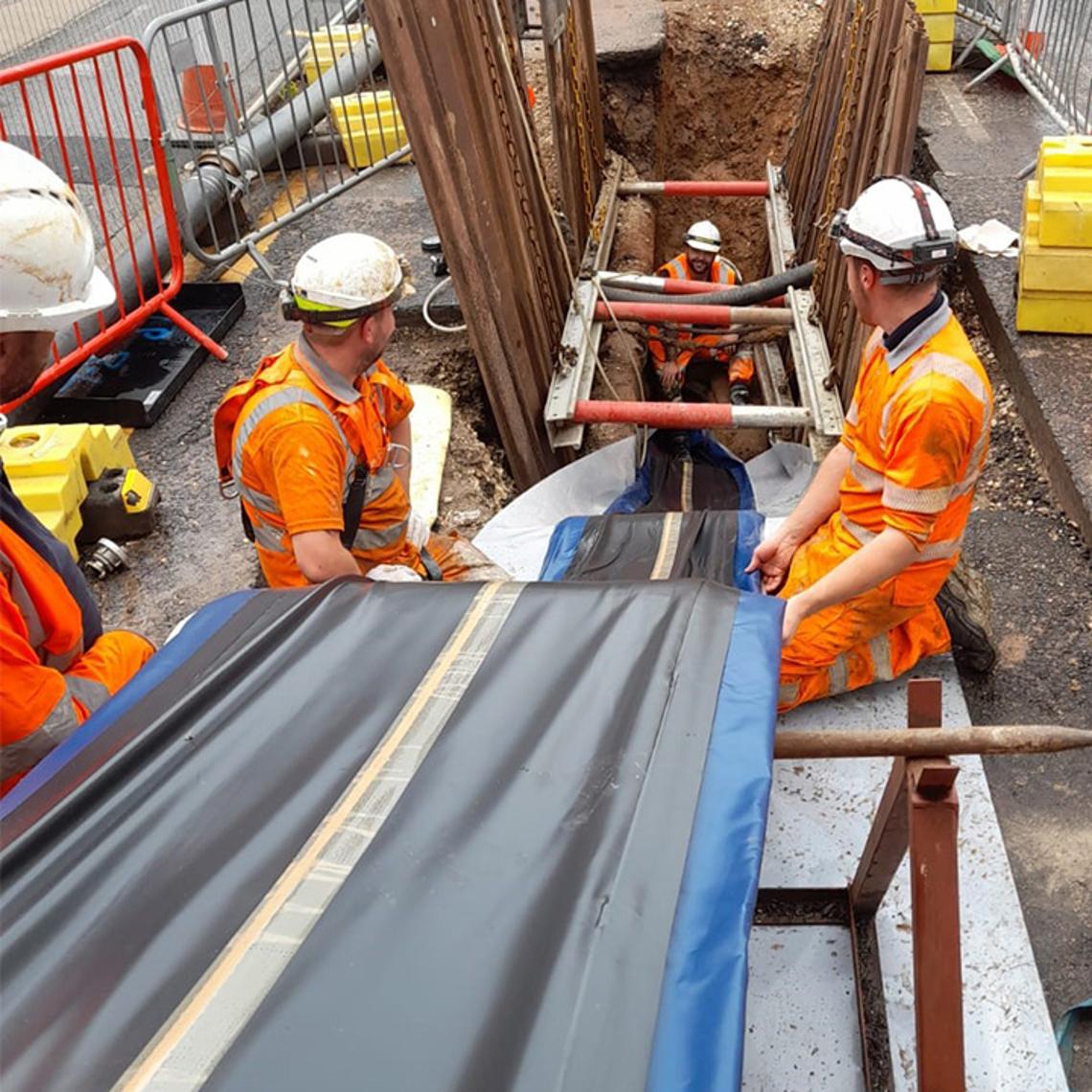
A sliding foil is pulled through the pipe before the liner to reduce the amount of friction between the liner and the sewer. Then the liner sock is inserted using a 5-tonne winch. Air is pumped into the liner to expand it.
3. Curing
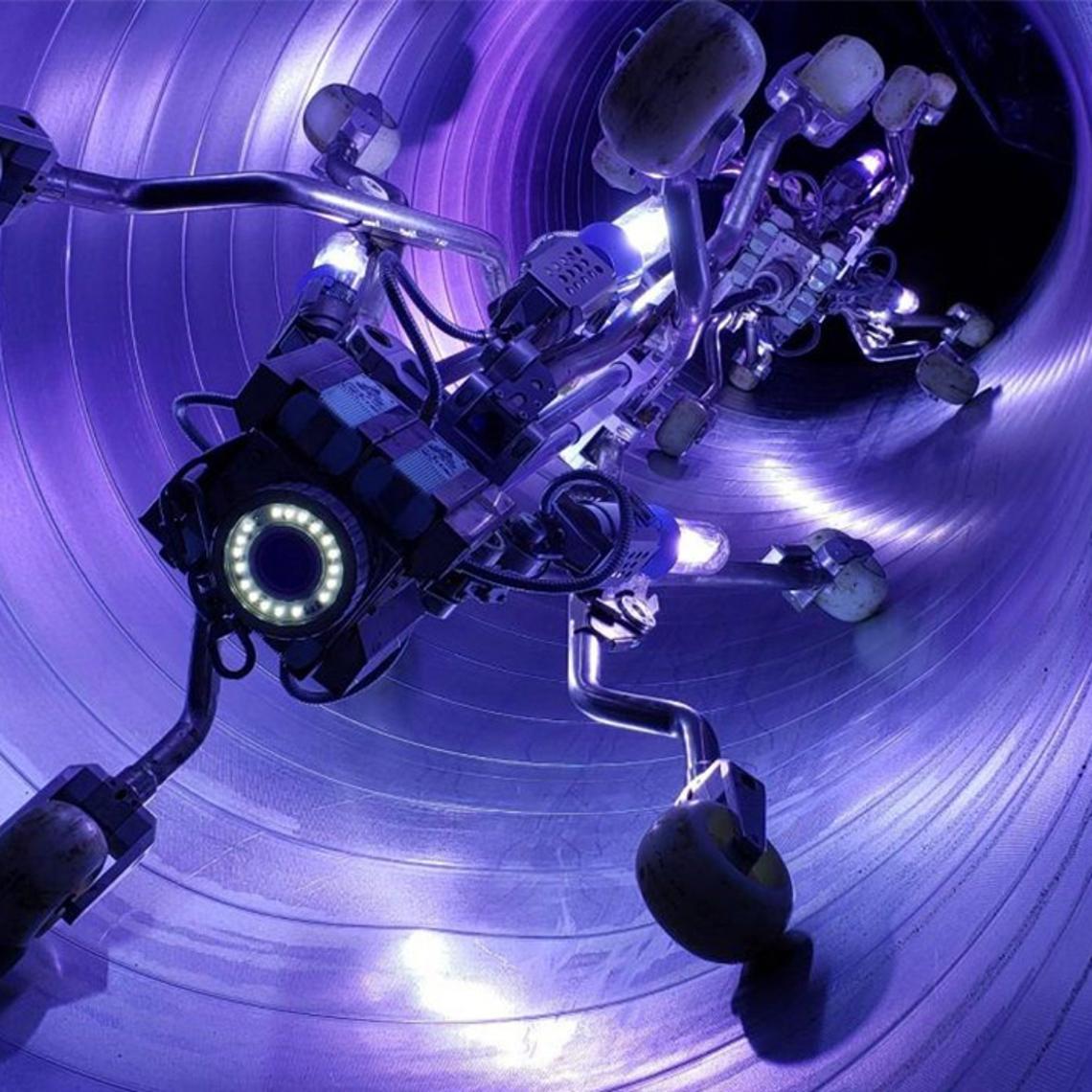
The liner is infused with polyester resin which is then dried by passing a UV light through it. The light reacts with the resin, curing it in place. Depending on the size of the pipe, the robot can dry between 0.5m and 1.5m per minute.
4. Reopening the connecting sewers
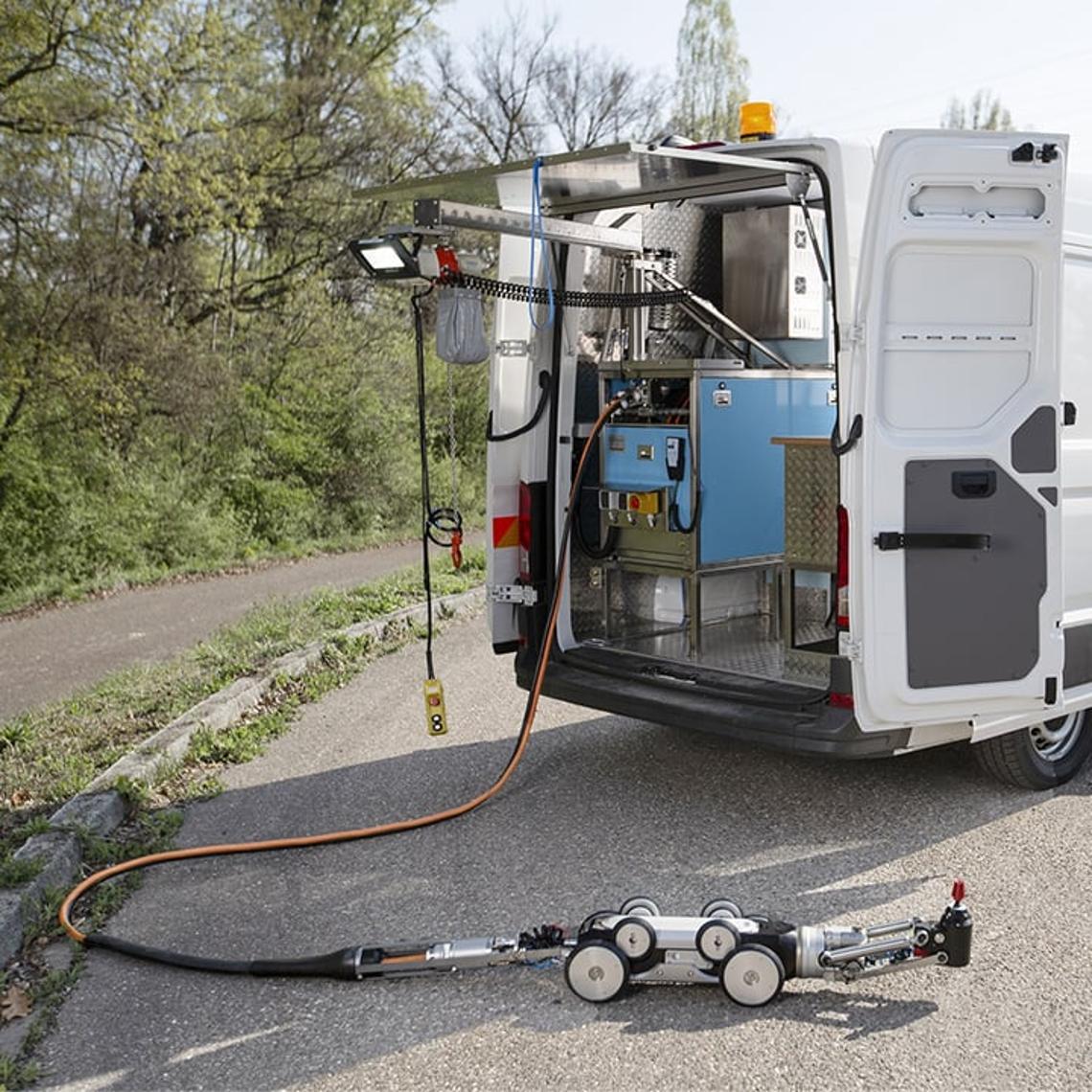
Once the liner is cured, flow through the sewer is restored. Then, the connecting sewers can be reopened. Our teams use a robot to do that too. The position of the connections are logged in the robots computer, and the robot cuts holes in the liner at exactly the right location.
5. The sewer is repaired
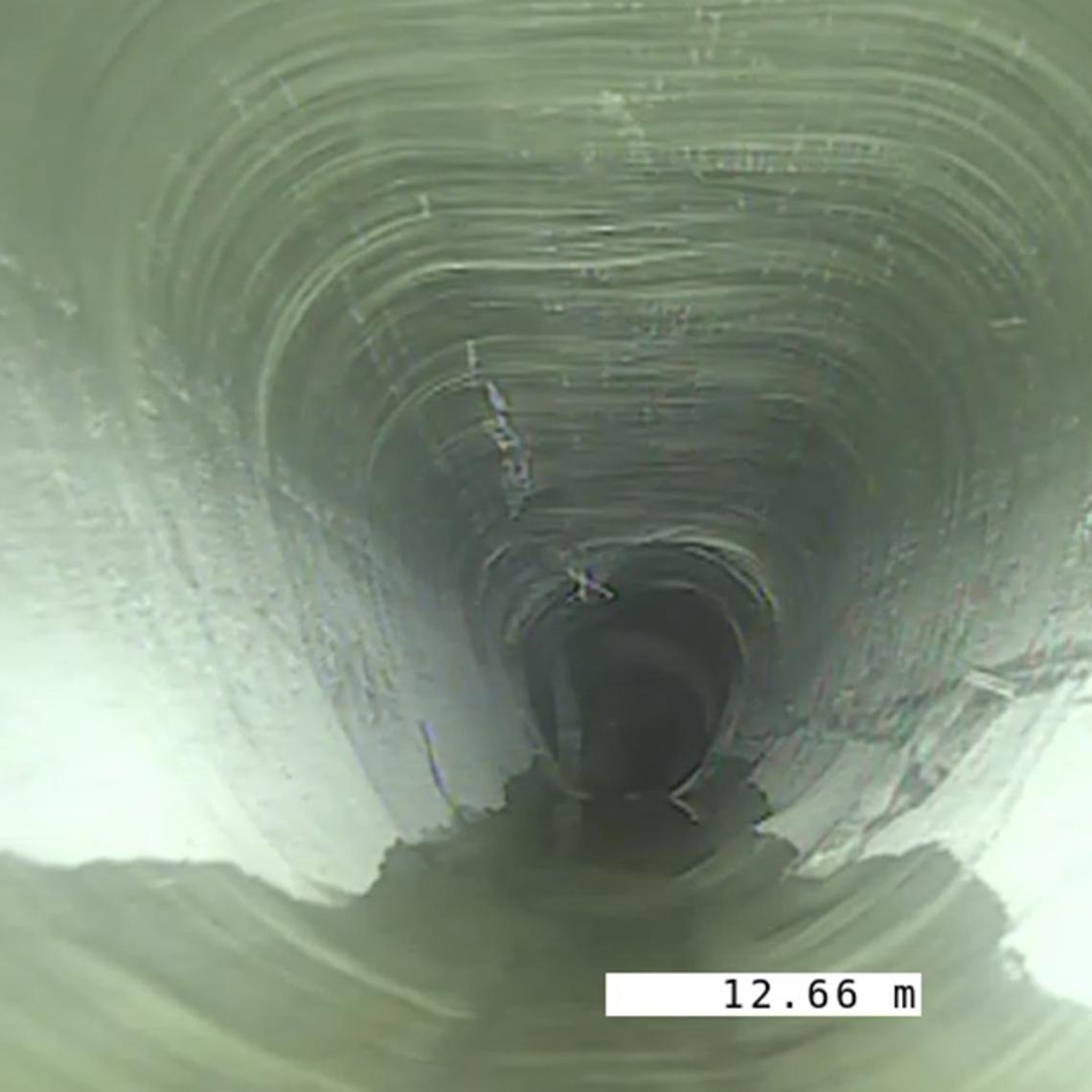
This method of repairing sewers means that the work can be completed much faster and with less disruption than traditional ‘open cut’ excavation. On average, 100 metres of pipe with a 225mm diameter can be repaired in just 1 day. And a liner like this is expected to last for decades.