
Investing in Delabole
We're investing in Delabole as part of our wider £760 million investment across the South West to improve wastewater services and protect the environment.
The programme includes upgrades at Delabole sewage treatment works and improvements to the local sewer network. Together, these projects will help reduce the amount of rainwater and groundwater entering the wastewater system and reduce reliance on storm overflows.
What we're doing
Providing 350,000 litres of additional storage
We're upgrading Delabole sewage treatment works, including the construction of a new storm storage tank that will provide 350,000 litres of additional storage capacity. This will help manage increased flows during periods of heavy rainfall and reduce pressure on the wastewater network.
Reducing groundwater entering the sewer network
We'll carry out targeted improvements to sections of the wastewater network to reduce groundwater infiltration. By preventing unnecessary groundwater from entering the system, we'll create additional capacity and help the network operate more efficiently during wet weather.
Keeping rainwater out of the sewer system
We'll also install new infrastructure to separate surface water from wastewater. This will reduce the amount of rainfall entering the sewer network during wet weather, helping improve network performance and resilience.
Programme of works
| Date | Activity |
|---|---|
| Late 2026 | Start of treatment works improvements |
| 2026 - 2028 | Construction of new storm storage tank and associated upgrades |
| Early 2027 | Sewer rehabilitation works |
| Early 2027 | Surface water separation works |
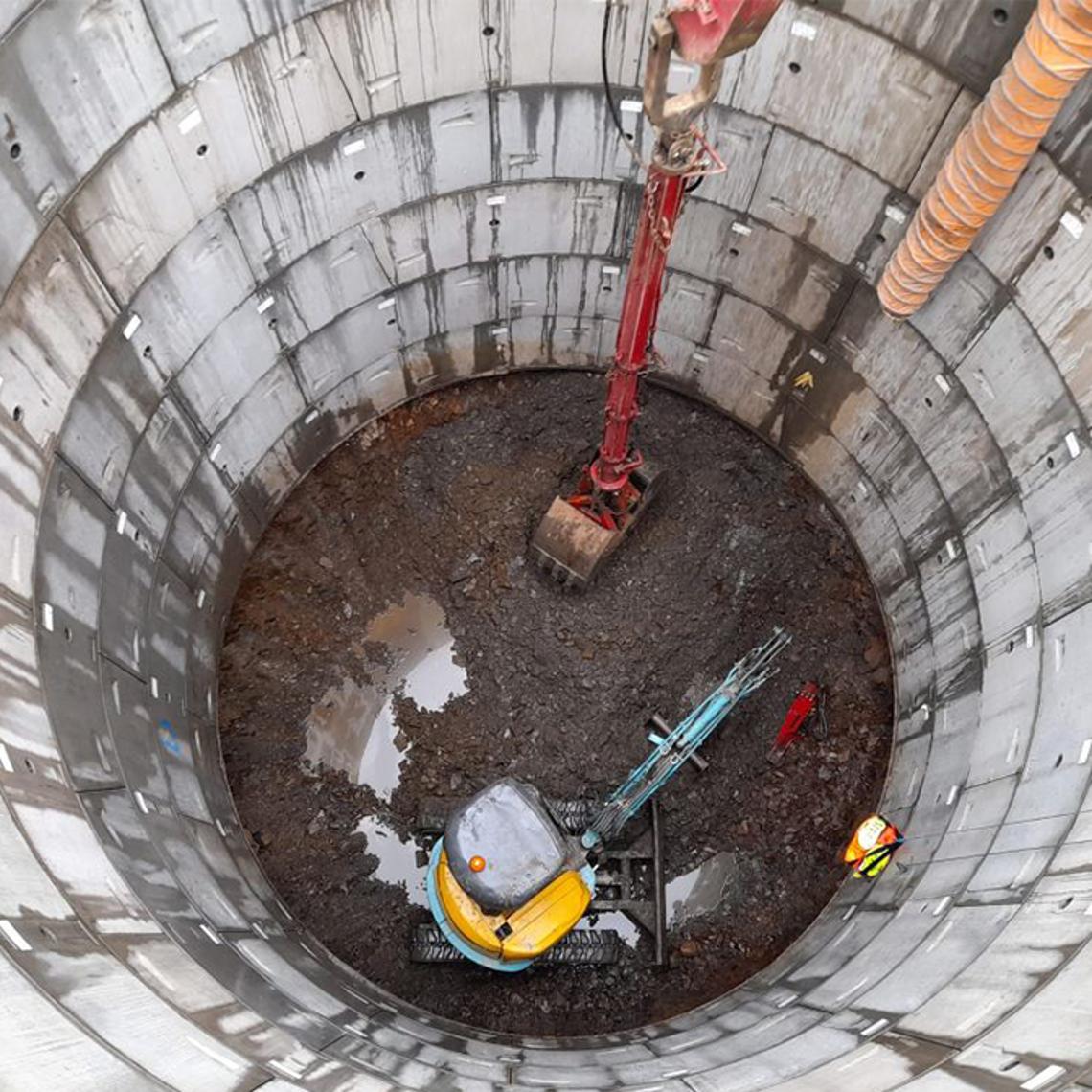
Storm storage
Storm water is the number one cause of storm overflows. The huge rainfalls we're experiencing as climate change takes hold are overwhelming our sewers, meaning our storm tanks fill up faster and start overflowing before our pumps have chance to reduce the volume inside them.
We're hoping that our work to reduce infiltration will help reduce the amount of storm water entering our sewers.
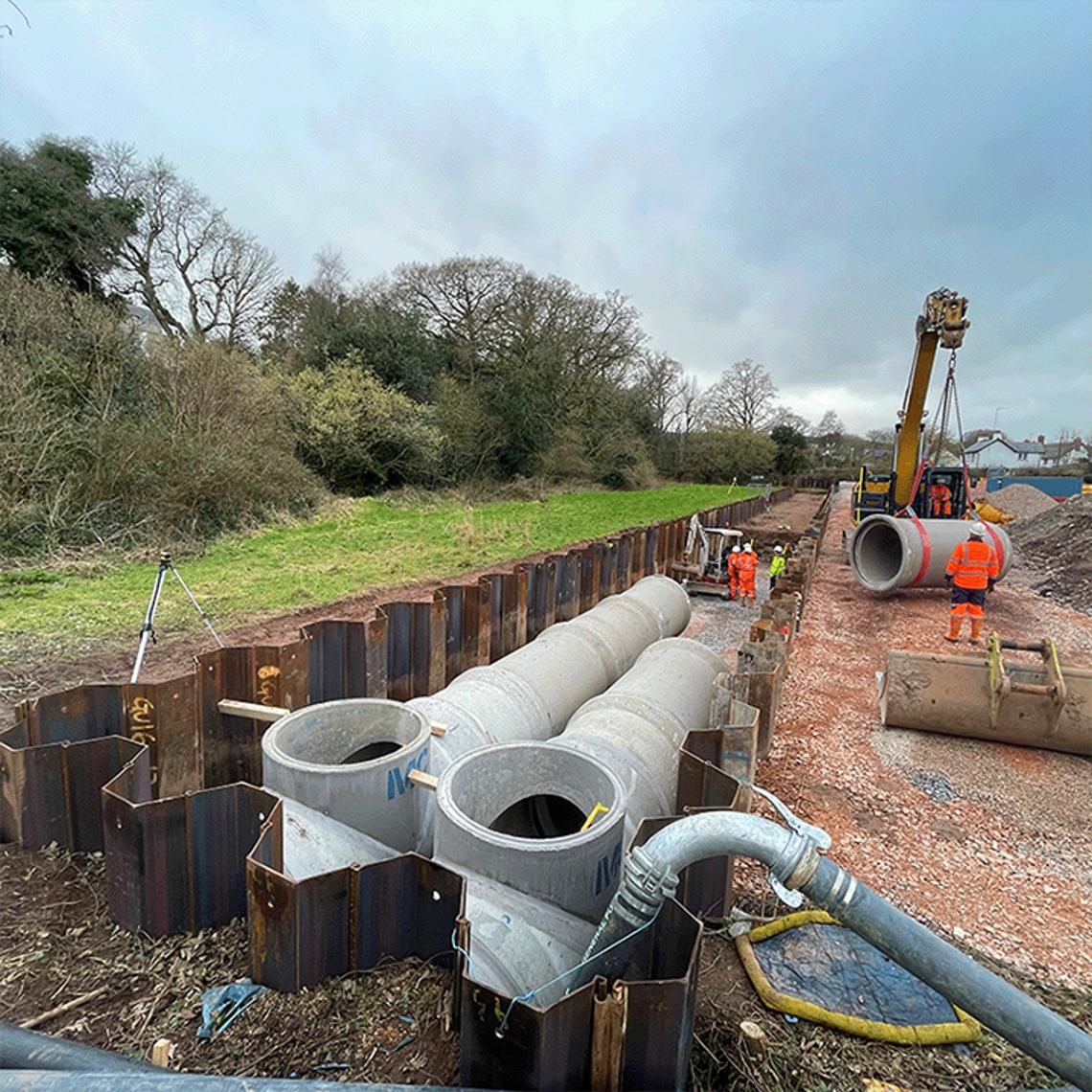
Keeping rainwater out of sewers
Combined sewers carry both wastewater and rainwater. During wet weather, rainwater can take up valuable capacity in the network, increasing pressure on pumps, pipes and storage tanks.
By separating surface water from wastewater, we can reduce pressure on the sewer system and create more capacity where it's needed most. This helps the network perform more effectively during heavy rainfall while allowing rainwater to flow through dedicated drainage systems.