
Providing you with better water quality
We’re investing to reduce the use of storm overflows in Lyme Regis, helping to improve water quality in local rivers and the sea. This major investment in Lyme Regis is part of our £760 million programme to improve water quality across the region.
Why do we have storm overflows?
Storm overflows act like safety valves when the wastewater system becomes overwhelmed, typically following heavy rainfall. Excess wastewater is released from storm overflows to prevent the system from backing up and overflowing in people’s homes and workplaces.
We want to use storm overflows less by finding solutions so more wastewater can be stored and treated without being released into the environment.
Find out more about storm overflows
To ensure our solutions are effective, we survey a local area to understand factors that cause overflows to be used. We’ve surveyed Lyme Regis to help inform several projects aimed at reducing storm overflow use in the area.
Traffic management
|
Date |
Activity |
|---|---|
| Thursday 15 to Friday 23 October 2026 | Sidmouth Road - Temporary traffic light control |
| Monday 19 October 2026 to April 2027 | Charmouth Road Carpark - A section of parking spaces will be utilised by our team as a compound area. |
| Monday 26 October 2026 to April 2027 | Jericho - A closure of Jericho to vehicles. 3 way light system at the junction of Woodmead Road and Anning Road. |
| Monday 2 November 2026 to Friday 22 January 2027 | Talbot Road - One Lane closed. |
| Thursday 26 November 2026 to Friday 15 January 2027 | Colway Lane (Talbot Road access will be maintained) - Road closure. |
| Monday 7 December 2026 to Friday 29 January 2027 | Clappentail Lane - Road Closure (Access to be Maintained) |
| Monday 7 December 2026 to Friday 29 January 2027 | Clappentail Park - One Lane Closed |
| Monday 7 December 2026 to Friday 19 December 2026 | Uplyme Road - Temporary Traffic Light Control near Clappentail Lane |
| Monday 18 January 2027 to Thursday 25 March 2027 | Sidmouth Road - Temporary Traffic Light Control |
Separating combined sewers
Keeping surface water from rainfall out of the main sewers will make it less likely we need to use storm overflows. We will be constructing a new surface water drainage network, so this water is separated from the flows that need full sewage treatment.
To do this, we’ll dig trenches, lay new pipes under roads, and reconnect existing Gullies to the new network as required. This will help improve local water quality in rivers and the sea by reducing storm overflow use. It will also help to reduce flooding risk.
These works will be taking place throughout Lyme Regis in late 2026.
New storm storage locations
We will build 3 new storm tanks in the area to help reduce reliance on storm overflows and improve river and sea water quality. Together these tanks will provide 670,000 litres additional storm storage.
At Horn Bridge the storm tank will provide 100,000 litres of storage.
At Jericho the storm tank will provide 90,000 litres of storage.
And at the sewage treatment works an additional 480,000 litres of storm water storage will be installed.
Work will be commencing from late September at two of our sewage treatment works (STW). At Mill Lane STW, an access track will be built along the western edge of the field from Rhode Lane to the storm overflow site. At Uplyme STW the site is being cleared and tidied, including stump removal and tree clearances.
These tanks will be installed by 31 March 2027.
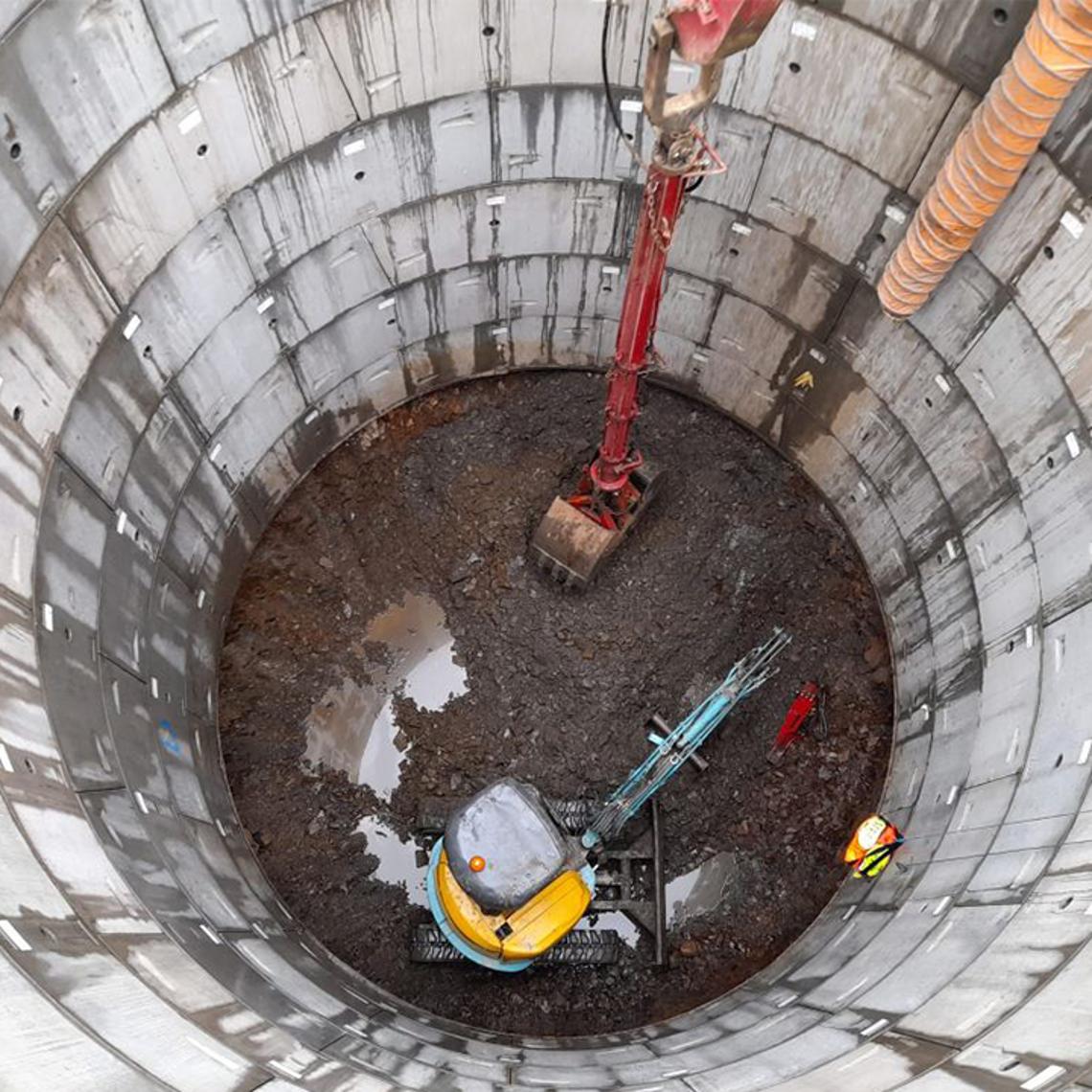
New storage tanks in Lyme Regis
Climate change is bringing periods of heavier rainfall. There are storm tanks to hold this water until it can be treated, but the intensity of the rain means they sometimes run out of capacity. To help this we’re looking into building new storm tanks in Lyme Regis, which would store additional wastewater at times of heavy flow.
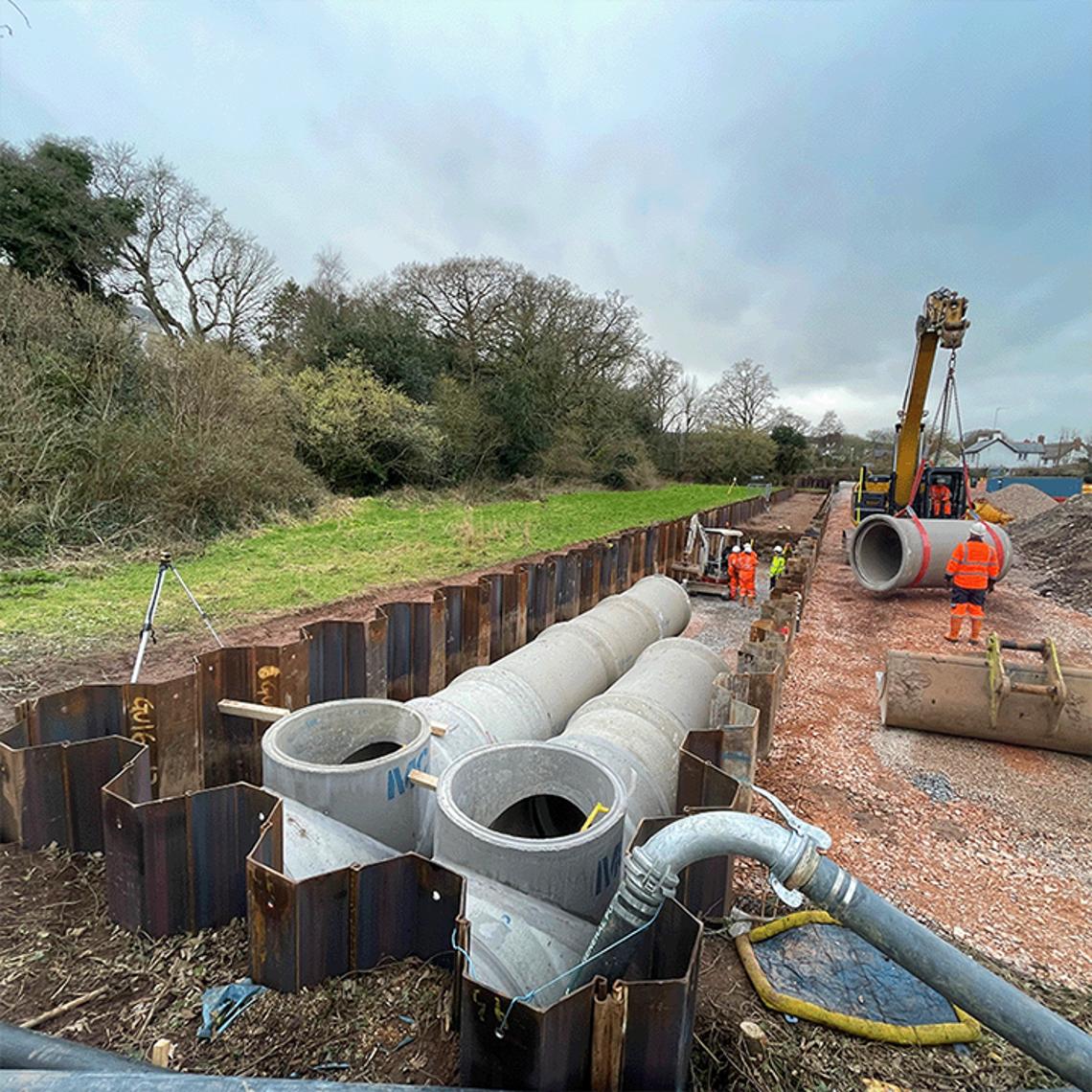
Combined sewers
Combined sewers carry both foul sewage from homes and businesses and rainwater from roofs, paved areas and in some areas, run off from roads to the treatment works. Rainwater itself doesn’t need treatment before being released back into rivers, but where it enters a combined sewer network it uses valuable capacity and adds pressure to our pumps and storm tanks.
The best way to reduce this pressure is to separate foul and surface water flows. By building one sewer for foul sewage and another for rainwater, we can keep clean water out of the treatment process and release it safely back into rivers after passing through an oil interceptor. Customers can also play a big part by keeping rainwater out of combined sewers, for example through soakaways or other drainage solutions. Checking how your roof and driveway runoff is connected can make a difference. If none of your surface water drains to the public sewer, you may qualify for a lower bill and help ease pressure on the system during wet weather.