Modbury wastewater network improvements
We're beginning a series of improvements in Modbury to help reduce reliance on storm overflows and improve river and sea water quality. The project will include surface water separation works and additional storm storage to help manage flows during periods of heavy rainfall.
This project forms part of our £760 million investment programme to reduce reliance on storm overflows across the region. In Modbury, we're developing a scheme that will separate surface water from the combined sewer network and provide additional storm storage. This will help reduce pressure on the network during heavy rainfall and support improvements to local rivers and bathing waters.
What we're doing
The scheme includes:
- Ground investigations to help us finalise the design and construction programme.
- Surface water separation works to reduce the amount of rainwater entering the sewer network.
- Construction of additional storm storage to help manage flows during periods of heavy rainfall.
Programme of works
|
Date |
Activity |
|---|---|
| Monday 21 September to Monday 9 November 2026 | Carrying out trial hole investigations to identify existing utilities and ground conditions ahead of the main construction works. These investigations will take place on Brownston Street, Church Street, Broad Street and Galpin Street. |
Traffic management
|
Date |
Activity |
|---|---|
| Monday 21 September to Wednesday 30 September 2026 | Two-way temporary traffic lights in Brownston Street. |
| Wednesday 30 September to Friday 9 October 2026 | Two-way temporary traffic lights in Church Street. |
| Monday 12 October to Friday 16 October 2026 | Two-way temporary traffic lights in Broad Street. |
| Monday 19 October to Friday 30 October 2026 | Two-way temporary traffic lights in Galpin Street. |
1. Combined sewers
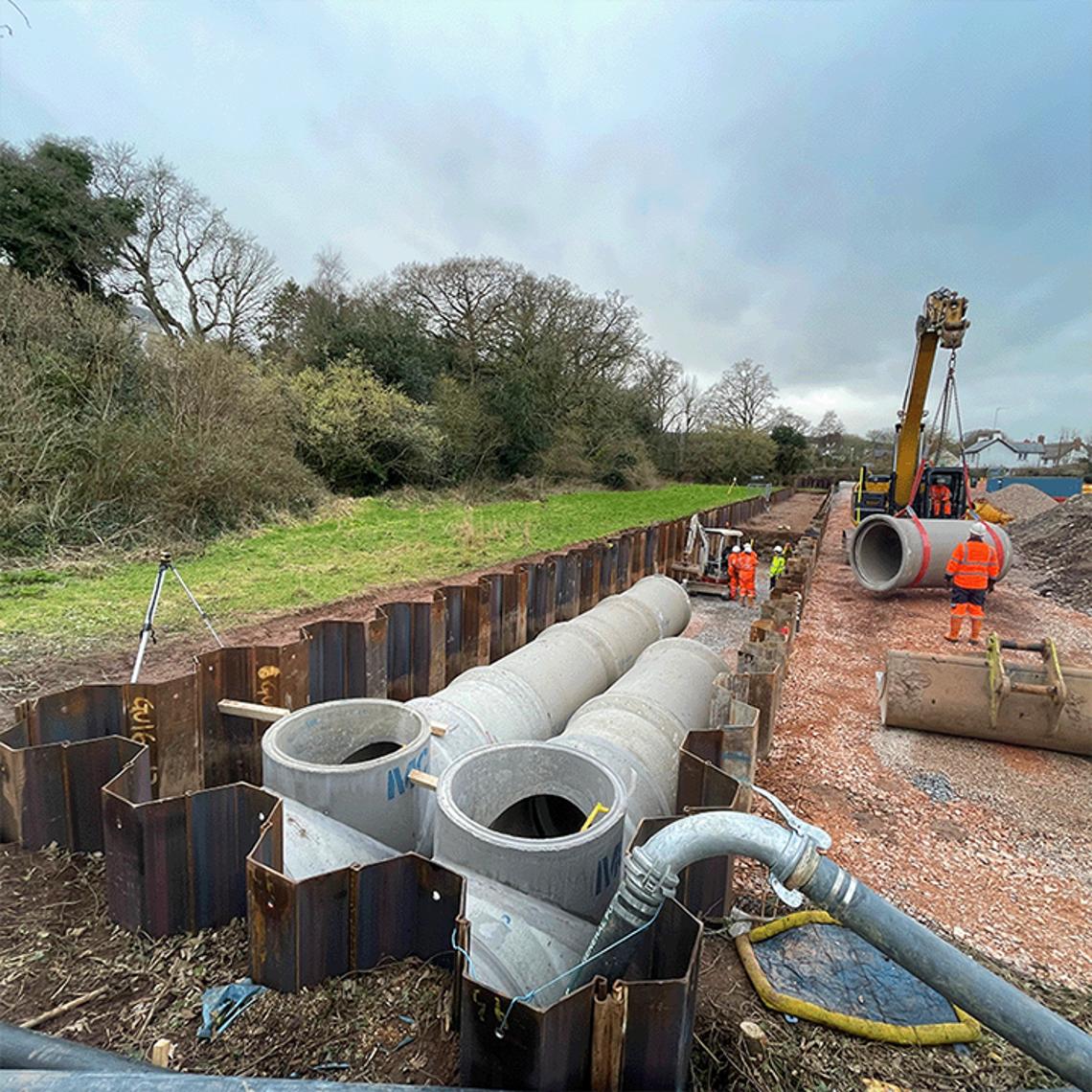
Combined sewers carry both foul sewage from homes and businesses and rainwater from roofs, paved areas and in some areas, run off from roads to the treatment works. Rainwater itself doesn’t need treatment before being released back into rivers, but where it enters a combined sewer network it uses valuable capacity and adds pressure to our pumps and storm tanks.
The best way to reduce this pressure is to separate foul and surface water flows. By building one sewer for foul sewage and another for rainwater, we can keep clean water out of the treatment process and release it safely back into rivers after passing through an oil interceptor. Customers can also play a big part by keeping rainwater out of combined sewers, for example through soakaways or other drainage solutions. Checking how your roof and driveway runoff is connected can make a difference. If none of your surface water drains to the public sewer, you may qualify for a lower bill and help ease pressure on the system during wet weather.
1. Storm storage
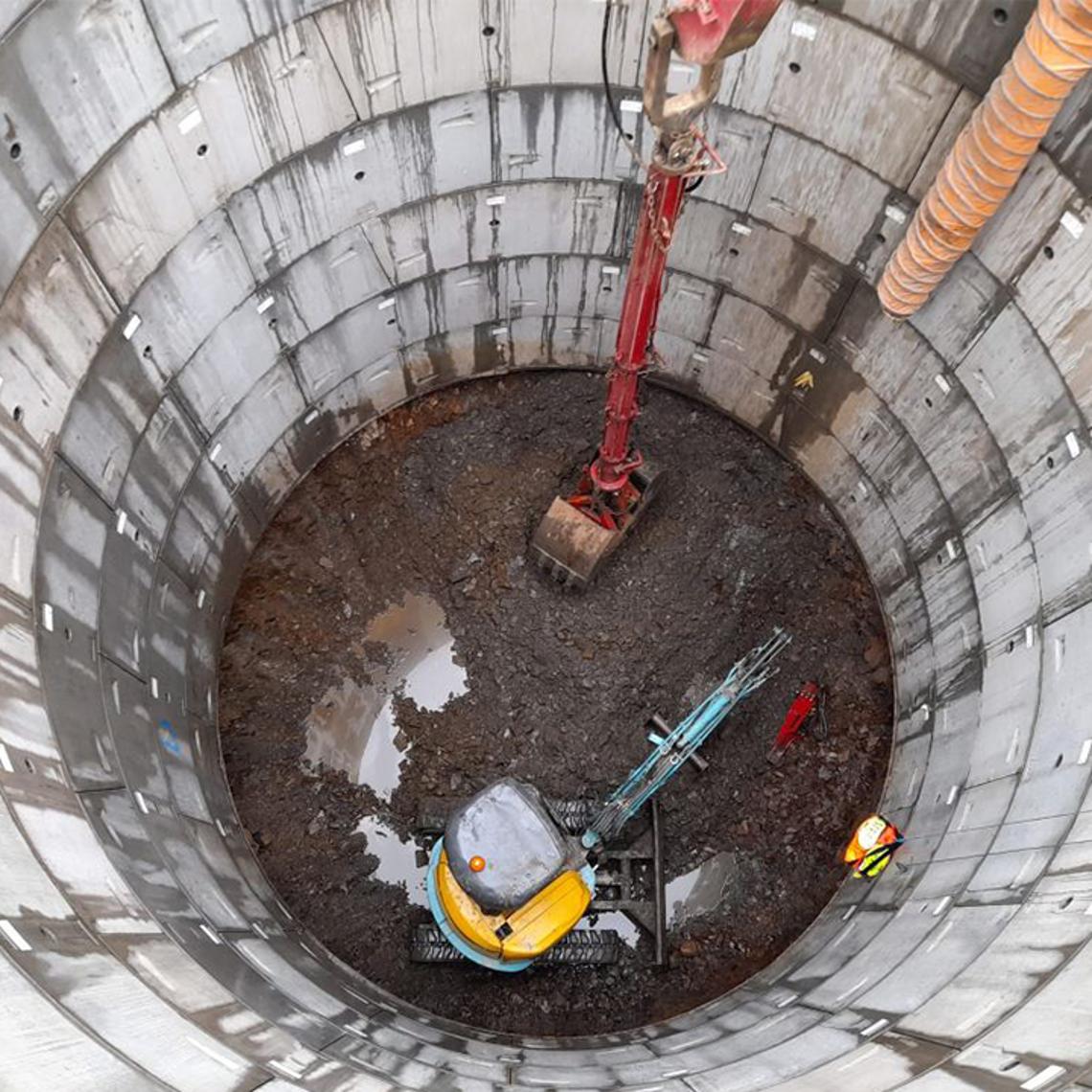
Storm water is the number one cause of storm overflows. The huge rainfalls we're experiencing as climate change takes hold are overwhelming our sewers, meaning our storm tanks fill up faster and start overflowing before our pumps have chance to reduce the volume inside them.
We're hoping that our work to reduce infiltration will help reduce the amount of storm water entering our sewers.
Previously completed work
South West Water completed sewer improvement works in Modbury between January and September 2024.
The project included repairing, replacing and renewing sections of sewer to increase capacity and improve the performance of the network. Modern sewer lining technology was used wherever possible to minimise disruption to residents and businesses.
These improvements have helped strengthen the resilience of Modbury's sewer network and reduce the risk of spills and pollution.