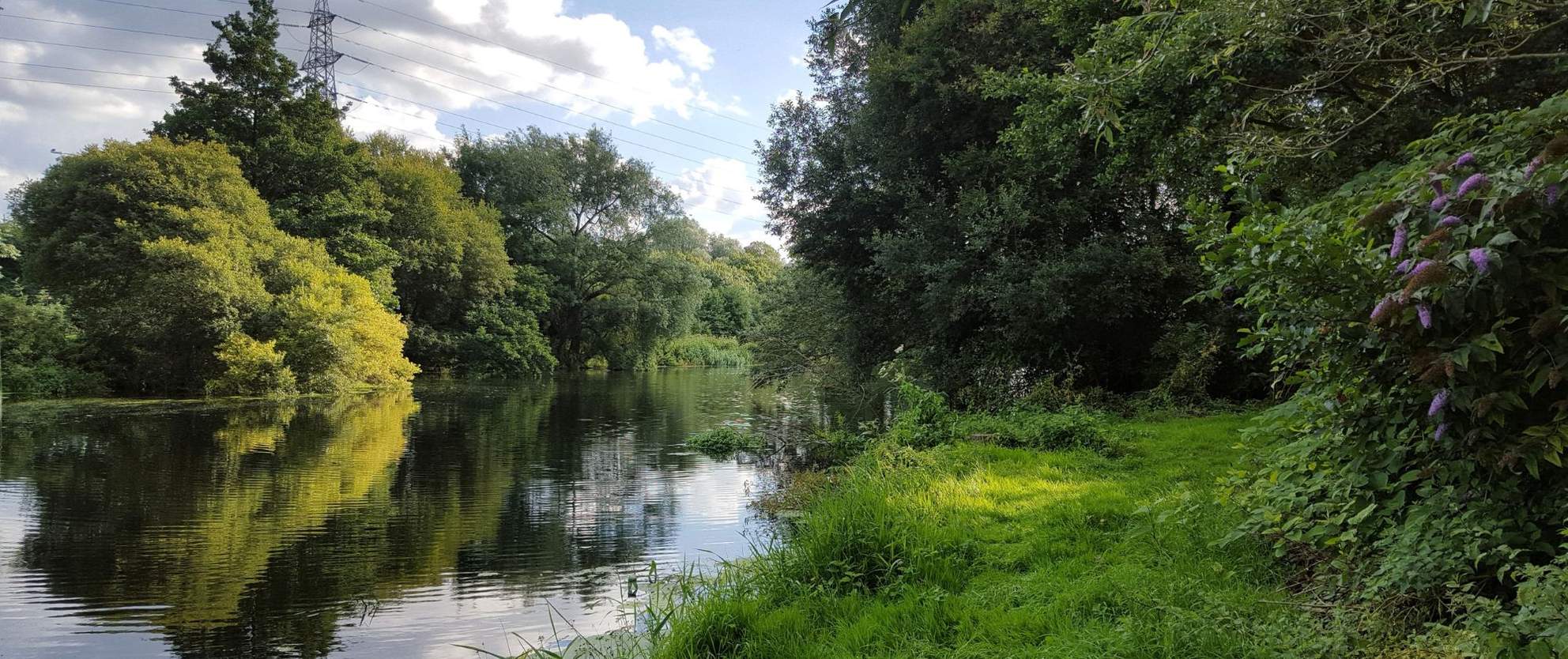
The phosphorus removal scheme
This scheme involves upgrading treatment processes at a number of sewage treatment works so they can remove more phosphorus from wastewater before it is returned to the environment.
Phosphorus can enter wastewater from everyday household use, as well as from agricultural and industrial sources. By improving how it is removed during treatment, we can significantly reduce its impact on rivers and streams.
These upgrades are part of our £760 million investment programme, helping us meet environmental standards and ensure our treatment works continue to perform well for years to come.
What is phosphorus?
Phosphorus is a naturally occurring element that is essential for plant growth. However, too much phosphorus in rivers and streams can cause problems.
Excess phosphorus can lead to high nutrient levels, causing algae to grow rapidly. Algal blooms can block sunlight, reduce oxygen levels in the water and harm fish and other wildlife.
By removing phosphorus more effectively during wastewater treatment, we help protect river ecosystems and improve overall water quality.
Works taking place
Below are details of the individual treatment works included in this programme. You can expand each section to find out more about what is happening at each location.