
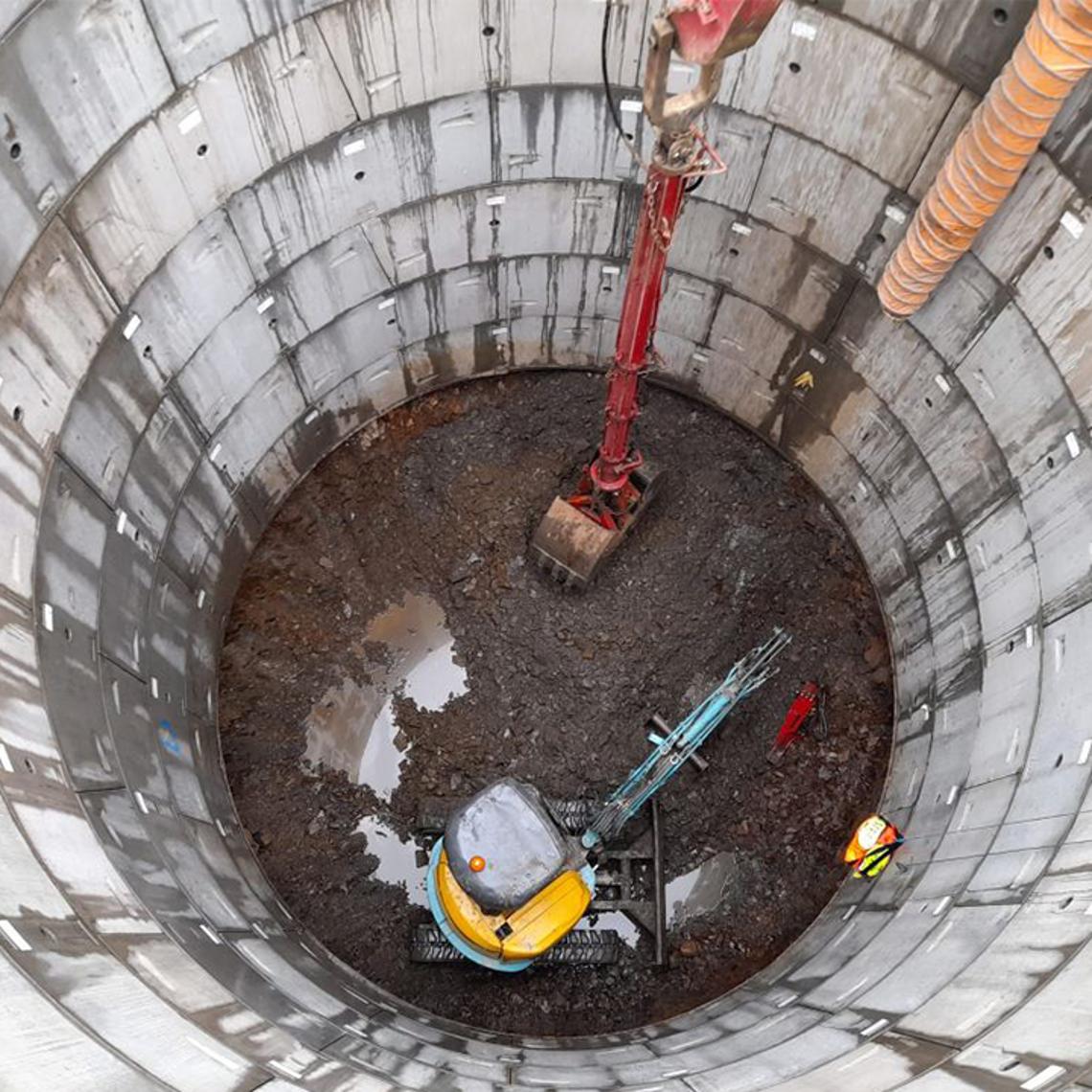
A 100,000-litre storm storage tank has been installed at The Ham in Sidmouth. The tank captures excess flows during heavy rainfall, storing them until they can be fully treated. This helps reduce storm overflow spills from The Ham Pumping Station and protect water quality at Sidmouth Town Beach, which has consistently been rated "Excellent" by the Environment Agency.
Work started in October 2025 with site setup and trial hole investigations to identify existing underground services. Construction of the new storm storage tank took place between January and April 2026, including extensive groundworks and structural works. From March to June 2026, electrical and mechanical equipment was installed, and the system was commissioned to ensure it operates as designed. The final stages of the project included completing the tank structure, removing the site compound, and restoring the surrounding area.
The project is now complete, and The Ham has reopened for recreational use.
Video updates
1. Storm storage
Storm water is the number one cause of storm overflows. The huge rainfalls we're experiencing as climate change takes hold are overwhelming our sewers, meaning our storm tanks fill up faster and start overflowing before our pumps have chance to reduce the volume inside them.
We're hoping that our work to reduce infiltration will help reduce the amount of storm water entering our sewers.
2. Our storm overflows
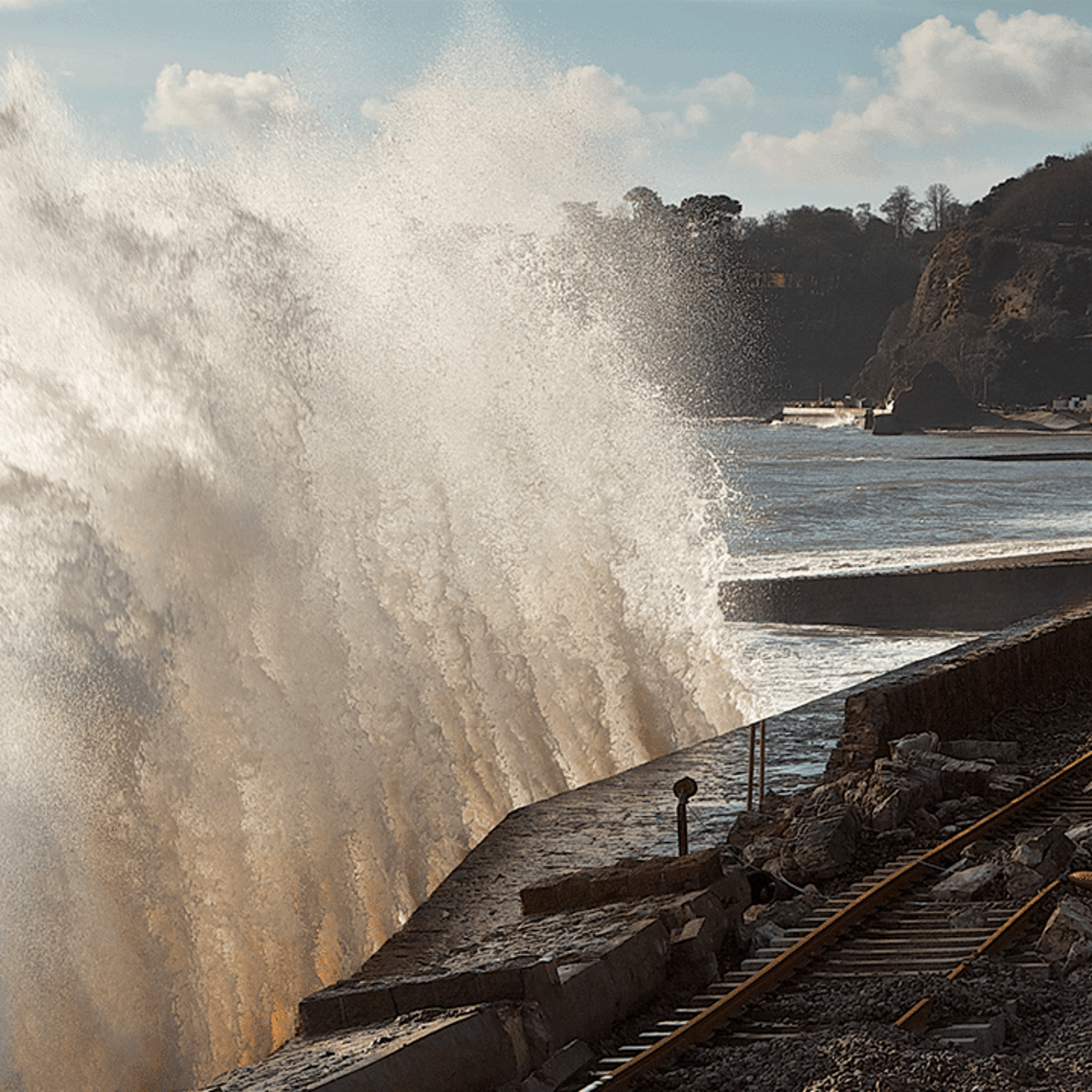
Following extensive investigations, the work we're doing in this scheme is expected to significantly reduce our reliance on the storm overflows in Sidmouth.
But, they will still play an important role in internal flood-prevention. That's why we're investing in their maintenance - upgrading their screens and relocating our monitoring chambers.
This work will help reduce the impact of overflows on the environment, and allow us to better monitor, check and maintain the overflows.