What we’re doing
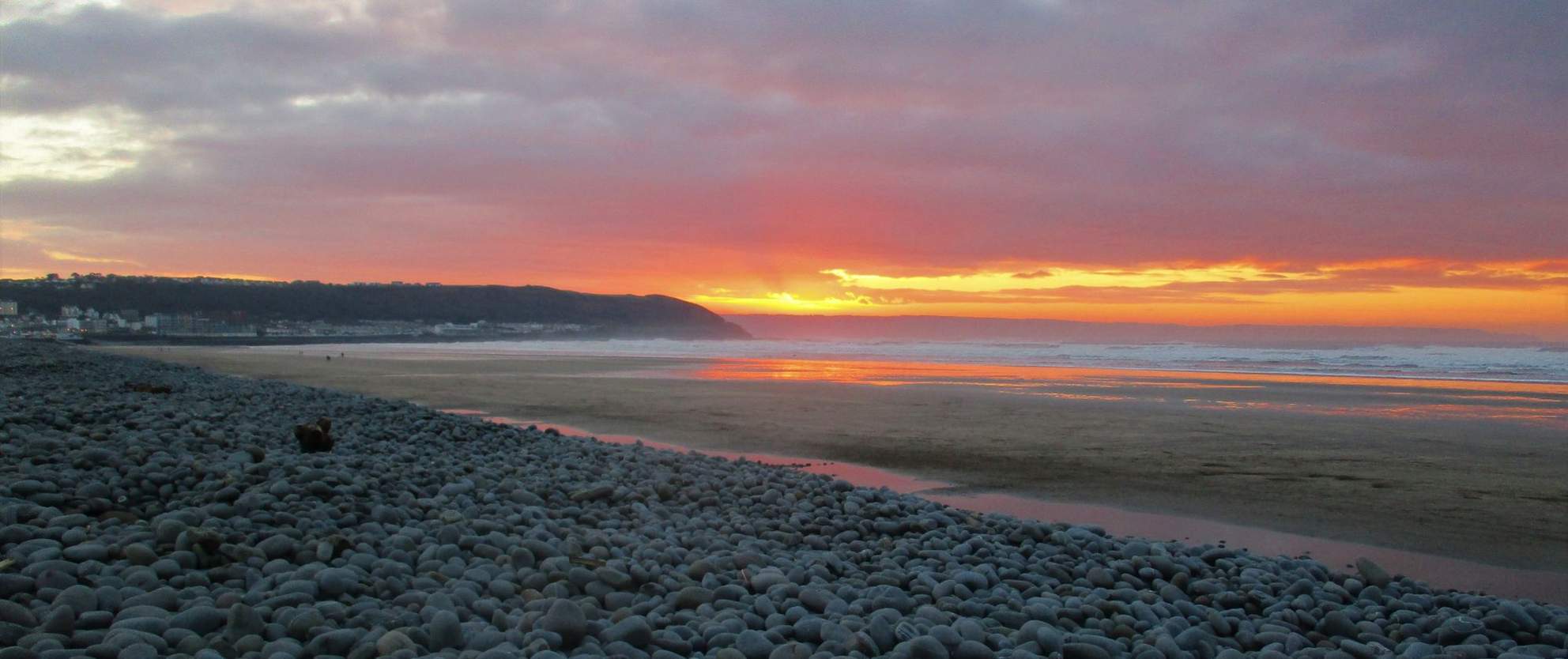
We’re carrying out improvements to reduce storm overflow spills in the Taw Torridge Estuary. This work is part of our £760 million investment programme to reduce the use of storm overflows across the region, with tailored solutions for each location.
These upgrades will help protect local bathing waters at Westward Ho! and Saunton Sands by reducing storm overflow spills into the estuary and improving water quality.
Programme of works
|
Date |
Activity |
|---|---|
| Summer to Autumn 2026 | Start construction of new pumping station and new rising main in Buckleigh. Begin screening chamber works at Causeway Close. |
| September 2026 | Start building new access route for Velator pumping station. Ground condition investigations at Causeway Close. |
| 2026 to 2027 | Commence works at Velator pumping station and Velator storm overflow, including storm storage installation. |
| March 2027 | All works complete and sites reinstated. |
Projects underway
Buckleigh (Westward Ho!)
We are preparing to build a new pumping station in the grounds of The Laundry to increase capacity during peak flows and to cope with the demands of the increased population in the area. Before construction begins, specialist ground investigation work is under way, including boreholes, trial pits and utility checks along the proposed rising main route. This will help finalise the design and ensure the works can be delivered safely and efficiently. A new rising main will then be installed to carry flows to Cornborough sewage treatment works.
Tree felling began in March 2026, areas covered by tree protection orders will not be touched.
Causeway Close (Northam)
Building a new screening chamber on private land near the existing overflow. This will include a small diversion of the mains to allow flow and return. We’ll work with landowners to agree access and keep disruption to a minimum. Some traffic management will be needed, but the road will stay open.
Works are planned to start in August 2026, subject to land notices and final design.
Velator (Braunton)
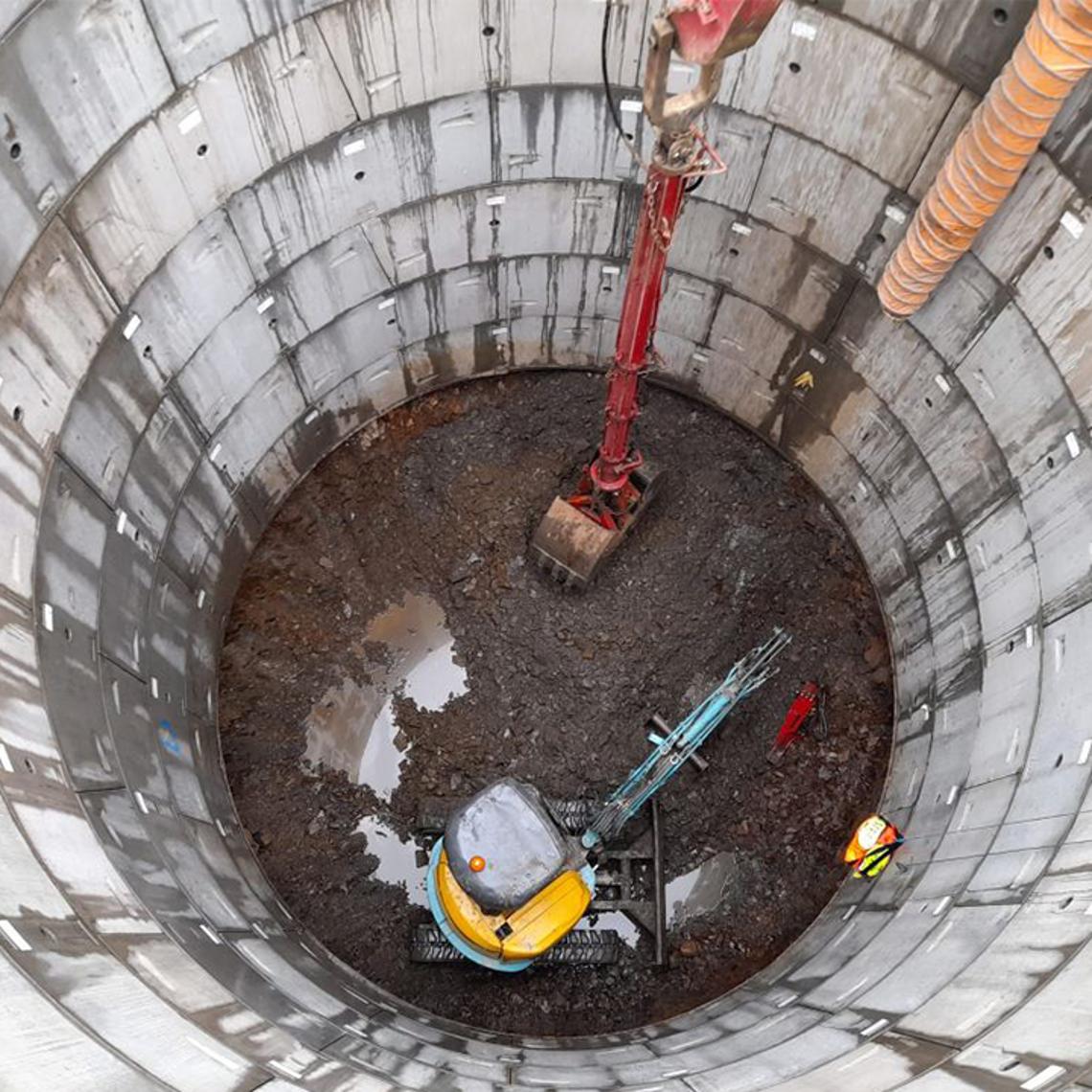
Installing a new storm storage tank within the grounds of the existing pumping station. As the current access is too narrow and the bridge cannot take heavy construction vehicles, we’ll build a new access route from Wrafton across open land to the site - this route will pass through Barn Park.
Works will begin with the new access track in May 2026.
1. Storm storage
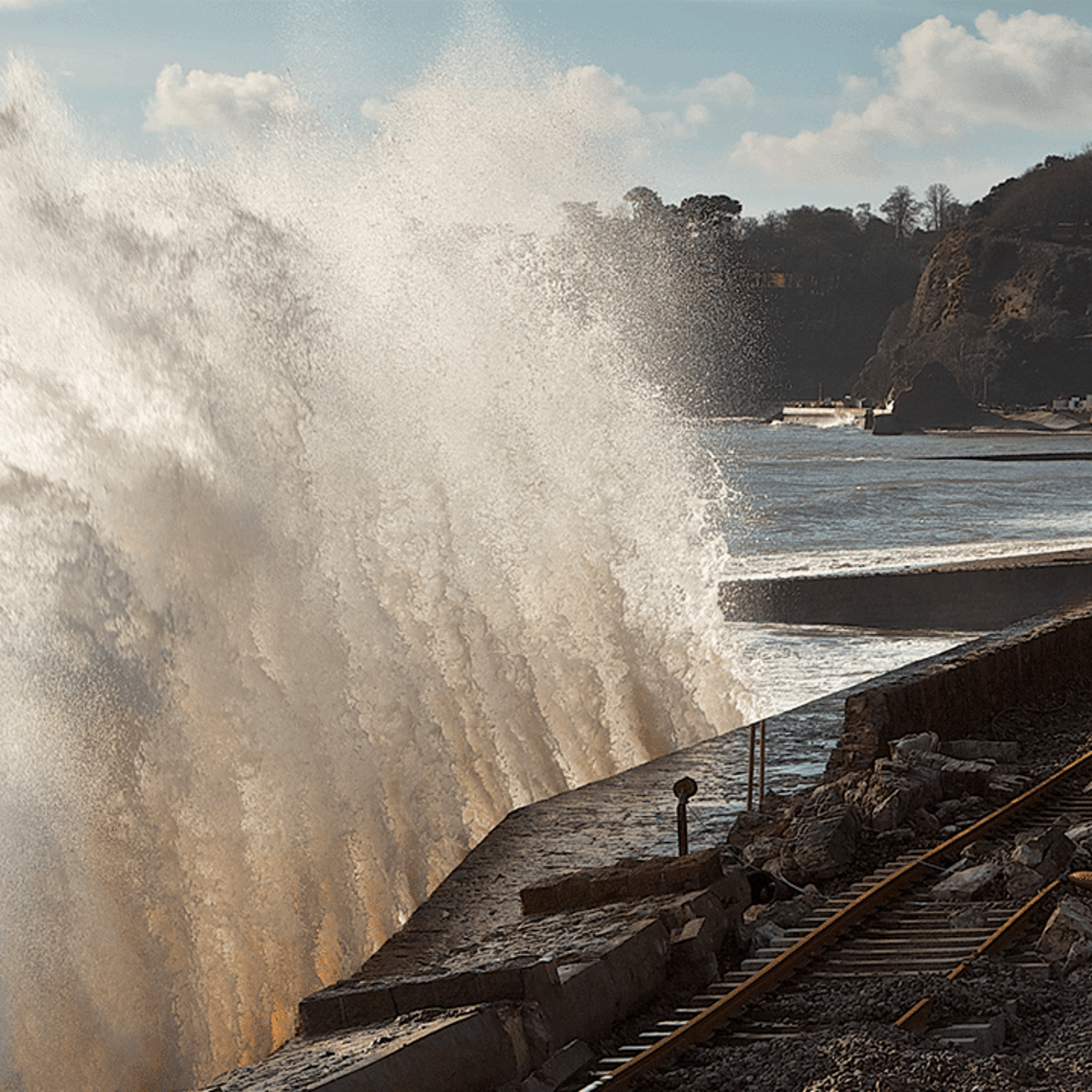
Storm water is the number one cause of storm overflows. The huge rainfalls we're experiencing as climate change takes hold are overwhelming our sewers, meaning our storm tanks fill up faster and start overflowing before our pumps have chance to reduce the volume inside them.
We're hoping that our work to reduce infiltration will help reduce the amount of storm water entering our sewers.
2. Our storm overflows
Following extensive investigations, the work we're doing in this scheme is expected to significantly reduce our reliance on the storm overflows in Sidmouth.
But, they will still play an important role in internal flood-prevention. That's why we're investing in their maintenance - upgrading their screens and relocating our monitoring chambers.
This work will help reduce the impact of overflows on the environment, and allow us to better monitor, check and maintain the overflows.