What Net Zero means for us
As part of Pennon Group plc, we are committed to the Group's ambition to achieve Net Zero across all scopes of emissions by 2050. During 2026/27, the Group will publish its Climate Transition Plan, setting out how we will deliver this ambition through the decarbonisation of our operations and value chain, supported by our near-term science-based targets and a pathway to Net Zero.
Using renewable energy
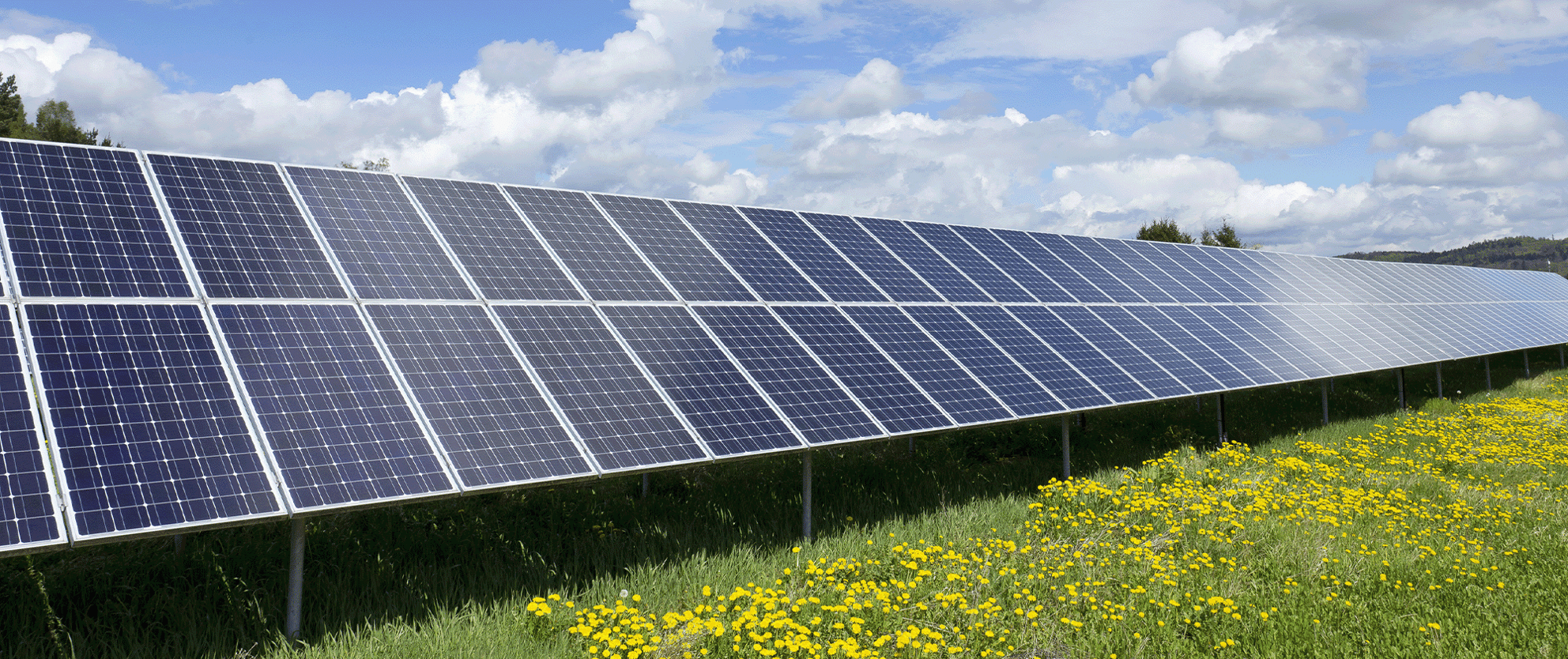
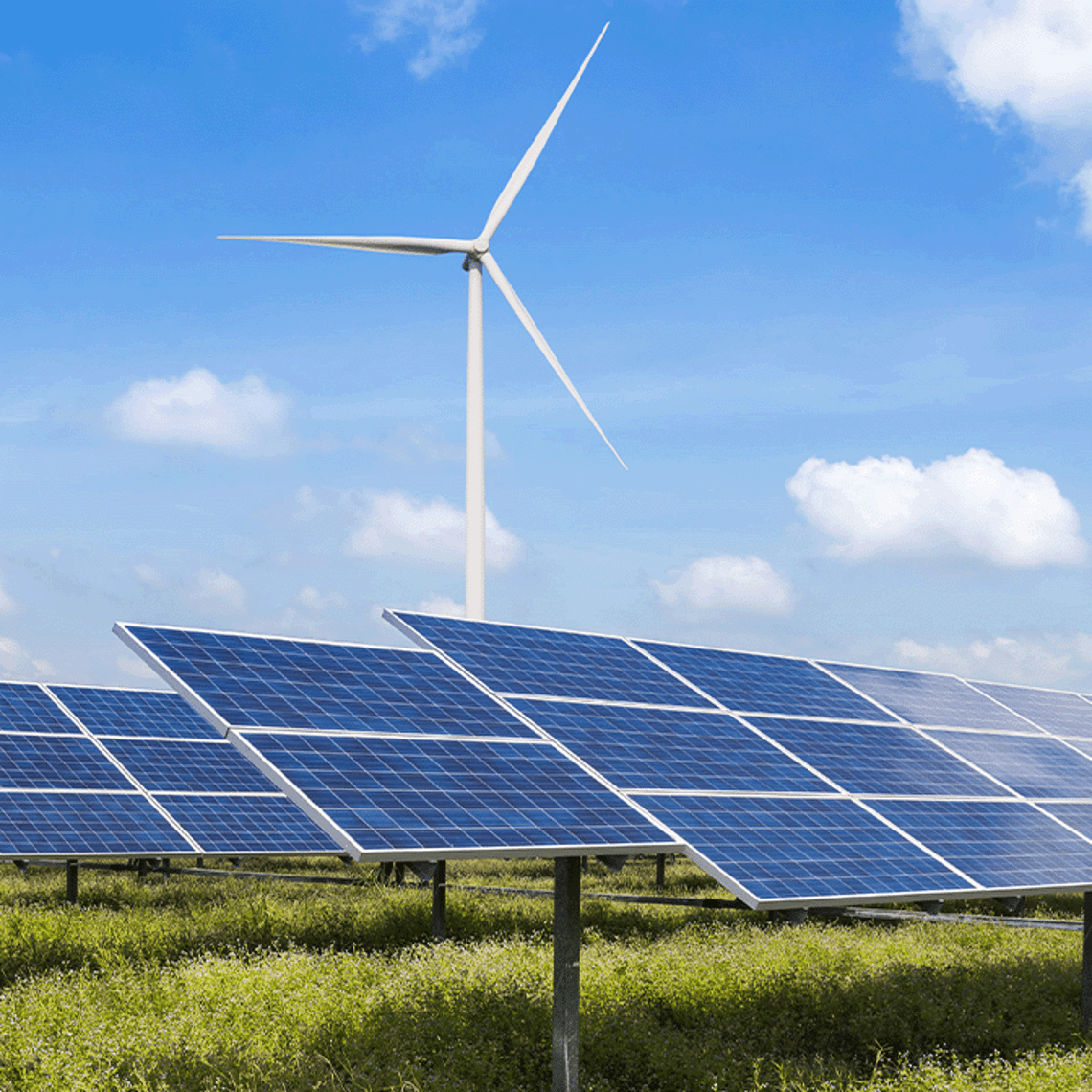
Luckily for us, the South West provides us with everything we need - plenty of sun, wind and water. We run a hydro-electric power station at Mary Tavy, have installed solar panels at a number of our more energy-intensive sites, and use wind power too. 100% of all our electricity is now bought from renewable sources.
Reducing energy consumption at our sites
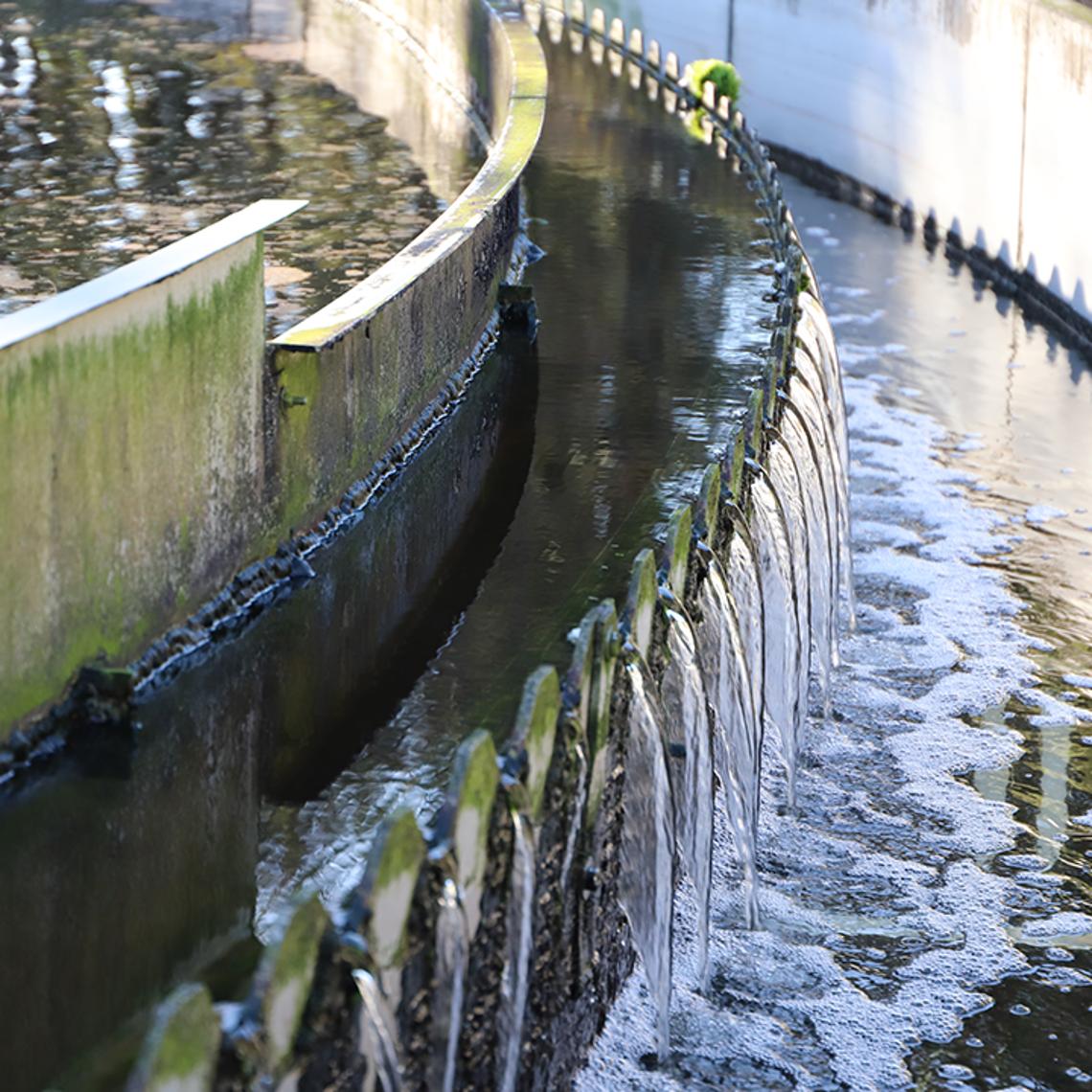
We’ve optimised our water and sewage pumping stations, put energy-saving procedures and technology in our offices including automatic lights and taps, and doing everything we can to reduce leaks on our network so that energy isn’t wasted treating water that’s never used.
Producing biogas as a waste product from our treatment works
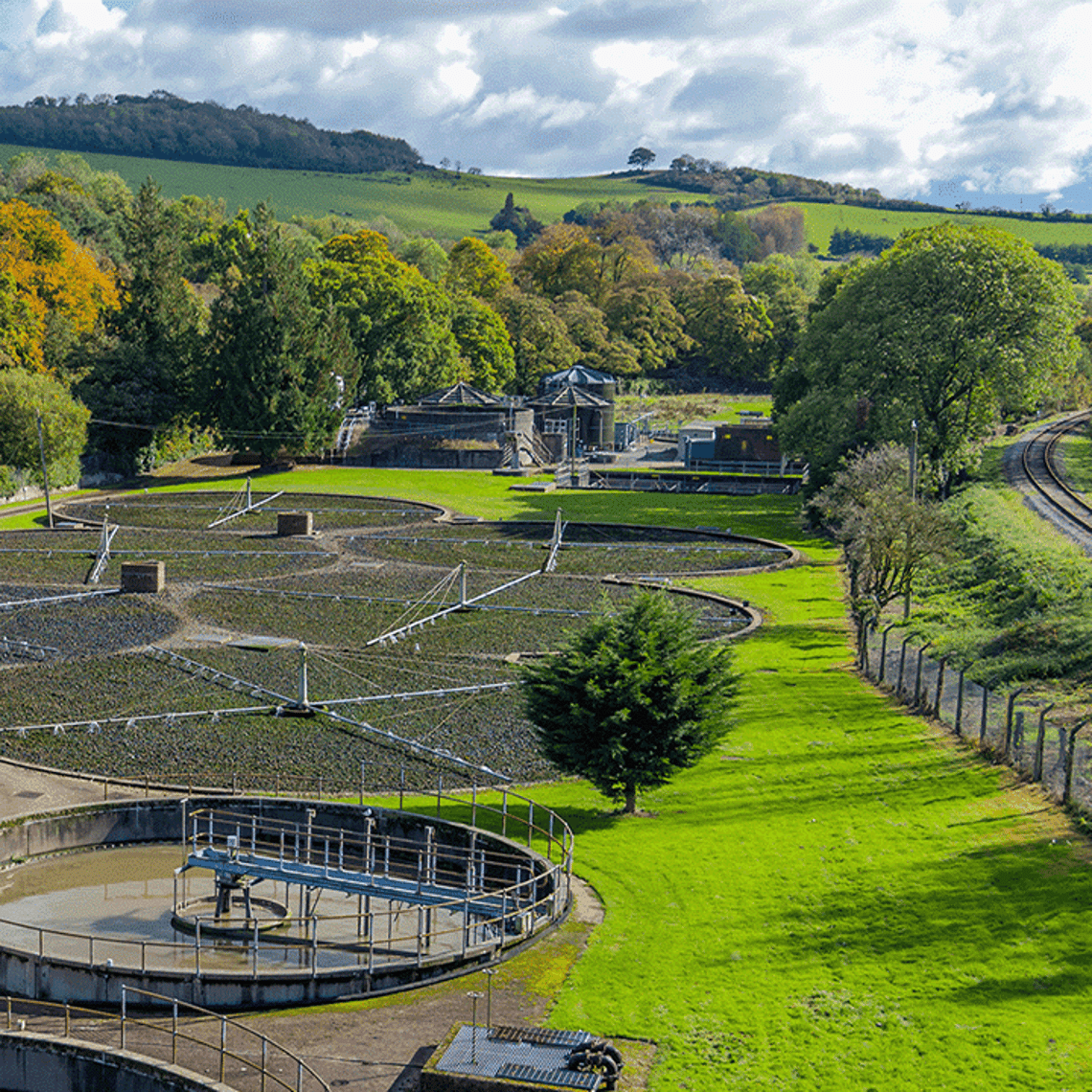
At our wastewater treatment works, huge amounts of biogas can be produced through our sludge processes. We're looking into how we can use this biogas to fuel some of our trucks and sell it back to the grid when we have some spare. Once processed, the sludge itself can be used by farmers as fertilisers on their fields.
Going further with research