The current outlook
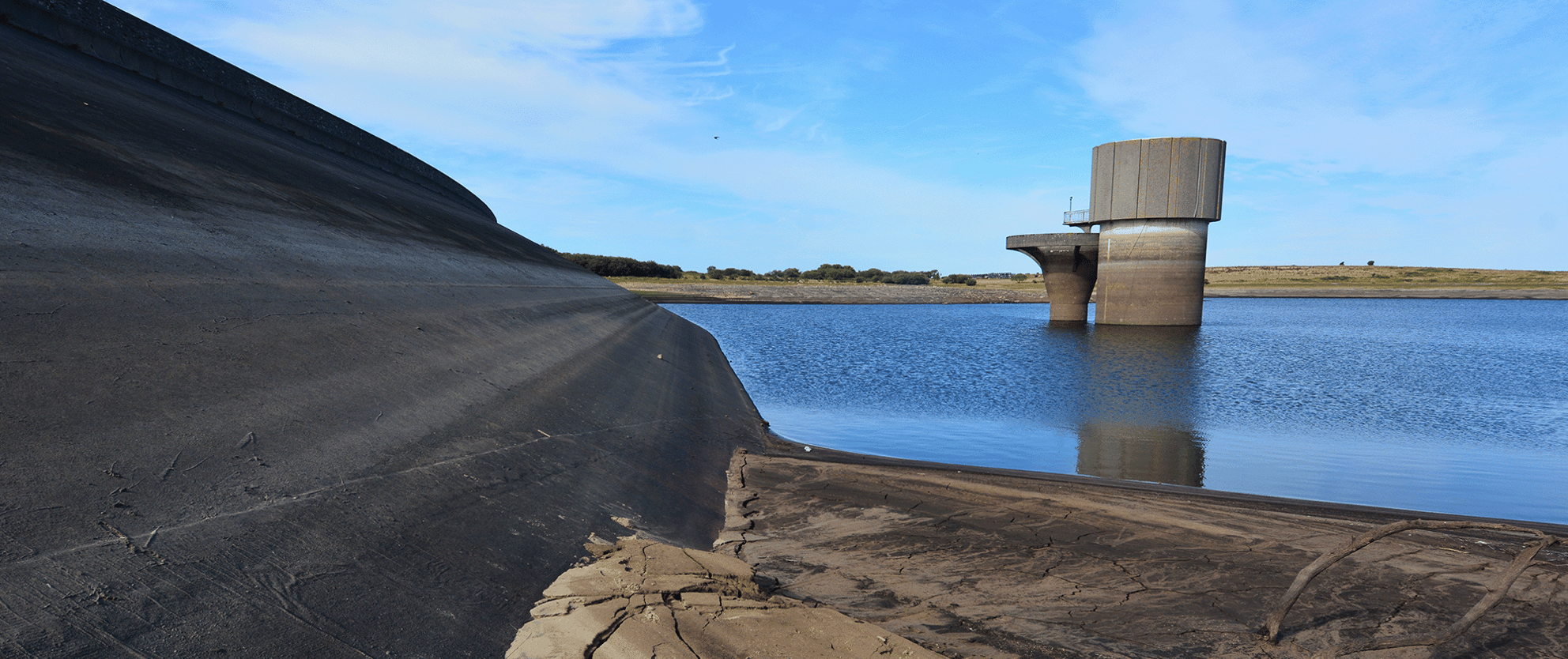
The dry summer of 2026 has meant that river levels are very low, and reservoir levels are lower than normal. Even with some rainfall, water resources will take a while to recover.
We are continuing to monitor our water resources closely, and we thank all our customers who have taken steps to reduce their water use over the summer.
To help water supplies as they recover, and with extreme weather events becoming more likely, please continue to use water wisely.
Why are Wimbleball's levels lower than Colliford and Roadford?
Wimbleball is used to support flow in the River Exe, which then allow us to abstract from our Pynes and Allers water treatment works. The dry weather has meant that the River Exe has dropped below the threshold where we have to release water from Wimbleball. Colliford and Roadford also support abstraction from the rivers Fowey and Tamar respectively, however, they have not dropped below the threshold as quickly as the Exe.
We are continuing to monitor our water resources closely and we thank all our customers who have taken simple steps to reduce their water use over the warm and dry summer. Our teams are working hard to deliver major leakage reductions which is already having an impact, and we’re continuing to support customers with free water-saving devices and proactive water saving advice.
Even when your local reservoir is brim-full, we're encouraging everyone to use water wisely. Visit our Come Rain or Shine page for more information.
Monitoring and managing our supplies
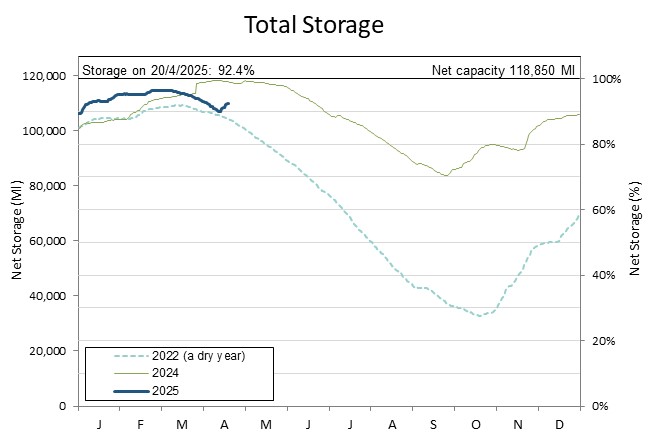
Drinking water in the South West is mainly taken out of rivers and our 23 reservoirs. A lot of these reservoirs are small, serving local catchments, and are supported by the three larger reservoirs (what we call our strategic reservoirs) - Colliford, Roadford and Wimbleball.
Water from these three strategic reservoirs is shared between a lot of the smaller reservoirs, which is why making sure Colliford, Roadford and Wimbleball are nice and full is so important.
Our five largest reservoir storage levels
Plumbing and drainage cover
Trust HomeServe’s plumbing and drainage cover, just £1 a month in the first year. *£1 a month in year 1 with £30 excess. New customers, homeowners only. T&Cs apply.