Reducing storm overflows to improve local water quality
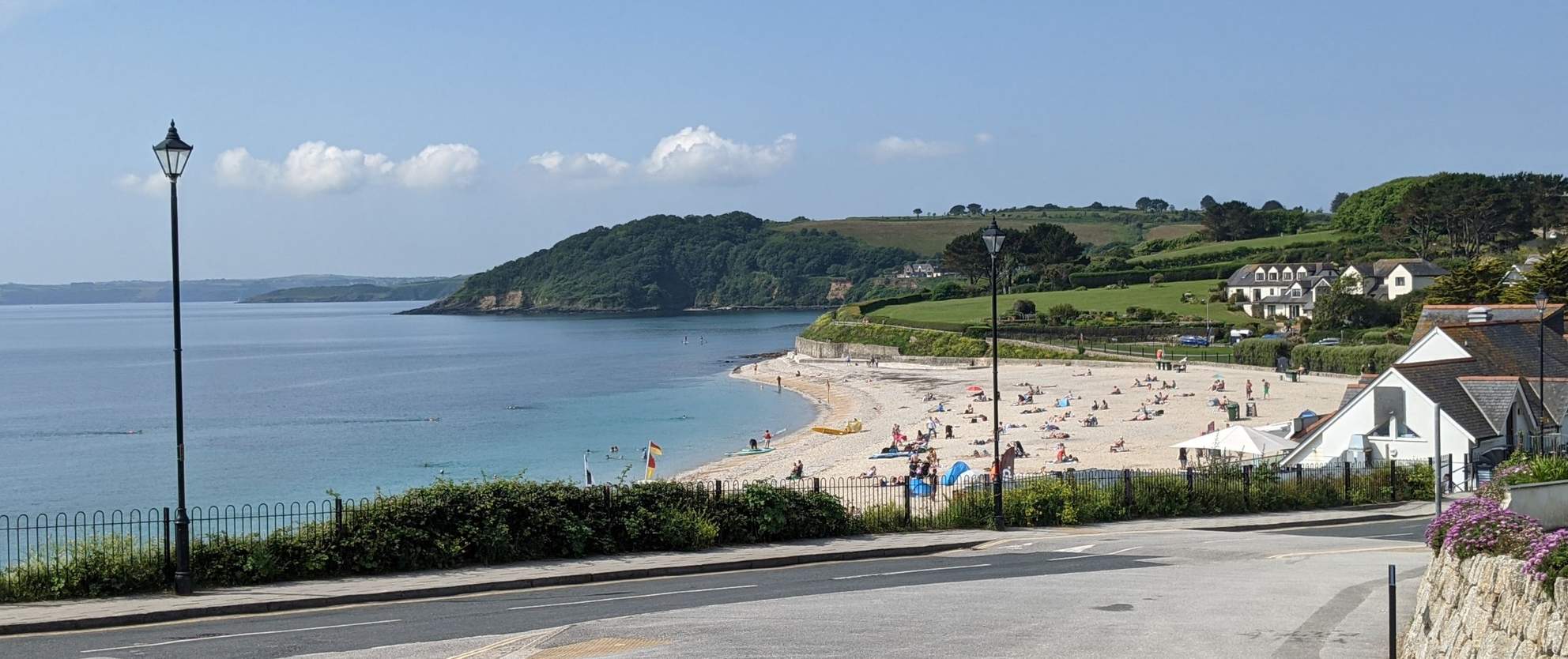
Wastewater improvement work is taking place in Falmouth to help reduce the use of storm overflows and protect water quality in the local area, including nearby beaches and rivers.
Investigations identified that parts of the sewer system can struggle during periods of heavy rainfall. This is influenced by factors such as surface water and groundwater entering the system, along with increasing demand. A phased programme of improvements is being delivered to address these challenges and strengthen the long-term resilience of the wastewater network.
This scheme forms part of the wider £760 million investment programme, which is delivering wastewater improvements across the region.
Project phase 2: Queen Mary Gardens screening chamber upgrade
We are returning to Gyllyngvase car park for phase two of our storm overflow improvement works. This phase involves constructing a new screening chamber and upgrading the associated pipework for the combined sewer overflow (CSO). The work will take place within the car park area and is scheduled to start on 5 October 2026, with completion planned for mid-February 2027.
The car park will remain open throughout the works. However, a number of parking spaces will be temporarily unavailable during this period. These improvements will help enhance the operation of the storm overflow and support our ongoing investment in the local wastewater network.
|
Date |
Activity |
|---|---|
| Monday 5 October 2026 to Monday 18 January 2027 | Queen Mary Road – Temporary traffic light controlled |
Project phase 1: Queen Mary Gardens storm storage tank - Complete
The first phase of the scheme focused on improvements at Queen Mary Gardens to reduce pressure on the sewer system during heavy rainfall by increasing the amount of wastewater that can be temporarily stored and treated.
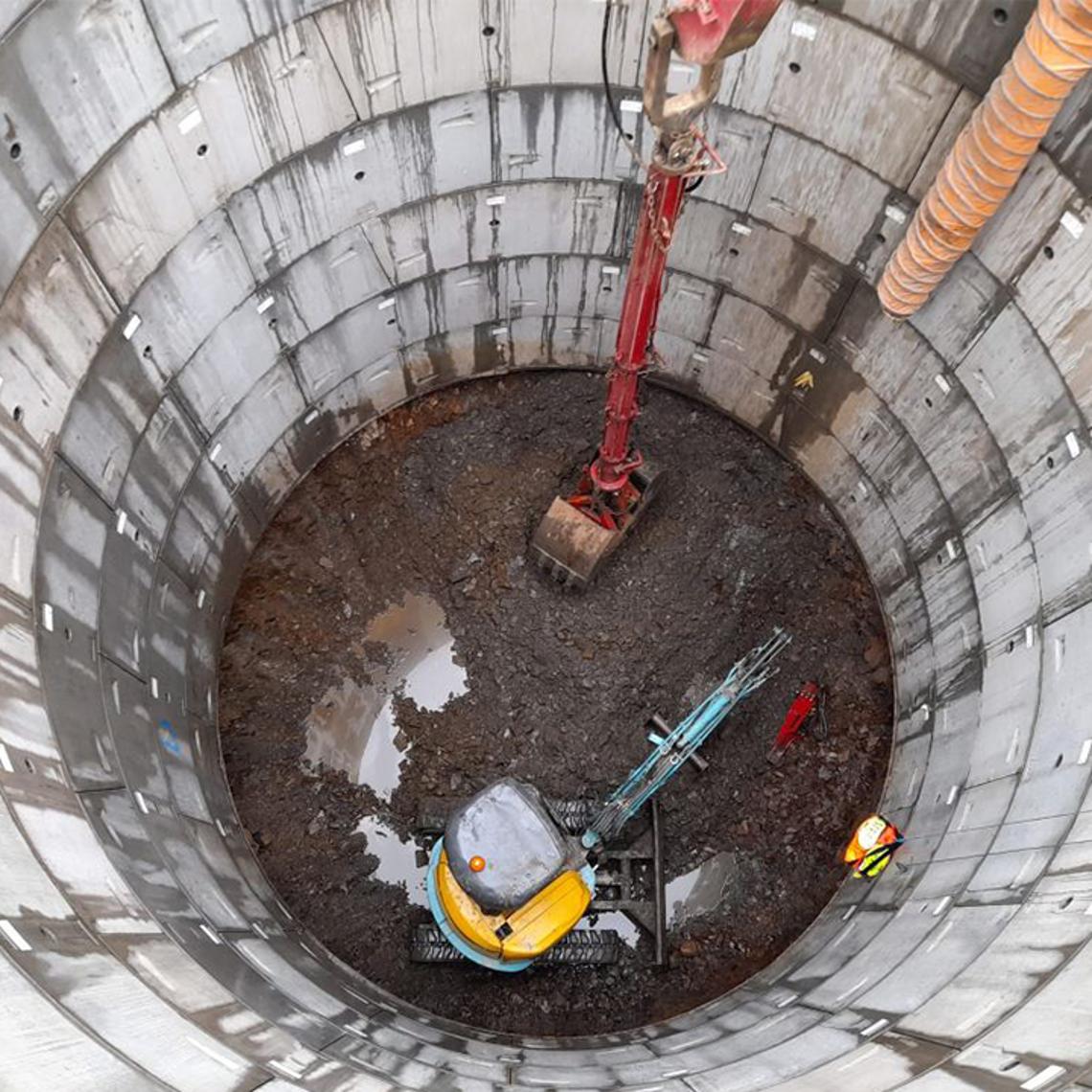
A new underground stormwater storage tank has now been built beneath Gyllyngvase car park, with a capacity of 302,000 litres. The tank will capture excess flows in the sewer network during periods of heavy rainfall and safely store them until there is capacity at the local treatment works to be fully treated.
The completion of this phase marks an important step in improving water quality in the area, including Gyllyngvase Beach. The car park has now been reinstated following the completion of works in May 2026.
Storm storage
Storm water is the number one cause of storm overflows. The huge rainfalls we're experiencing as climate change takes hold are overwhelming our sewers, meaning our storm tanks fill up faster and start overflowing before our pumps have chance to reduce the volume inside them.
We're hoping that our work to reduce infiltration will help reduce the amount of storm water entering our sewers.
But, we're also making sure there's enough storage to hold it all. That's why we're looking into building brand new storm storage near Queen Mary Gardens and investigating other potential areas.