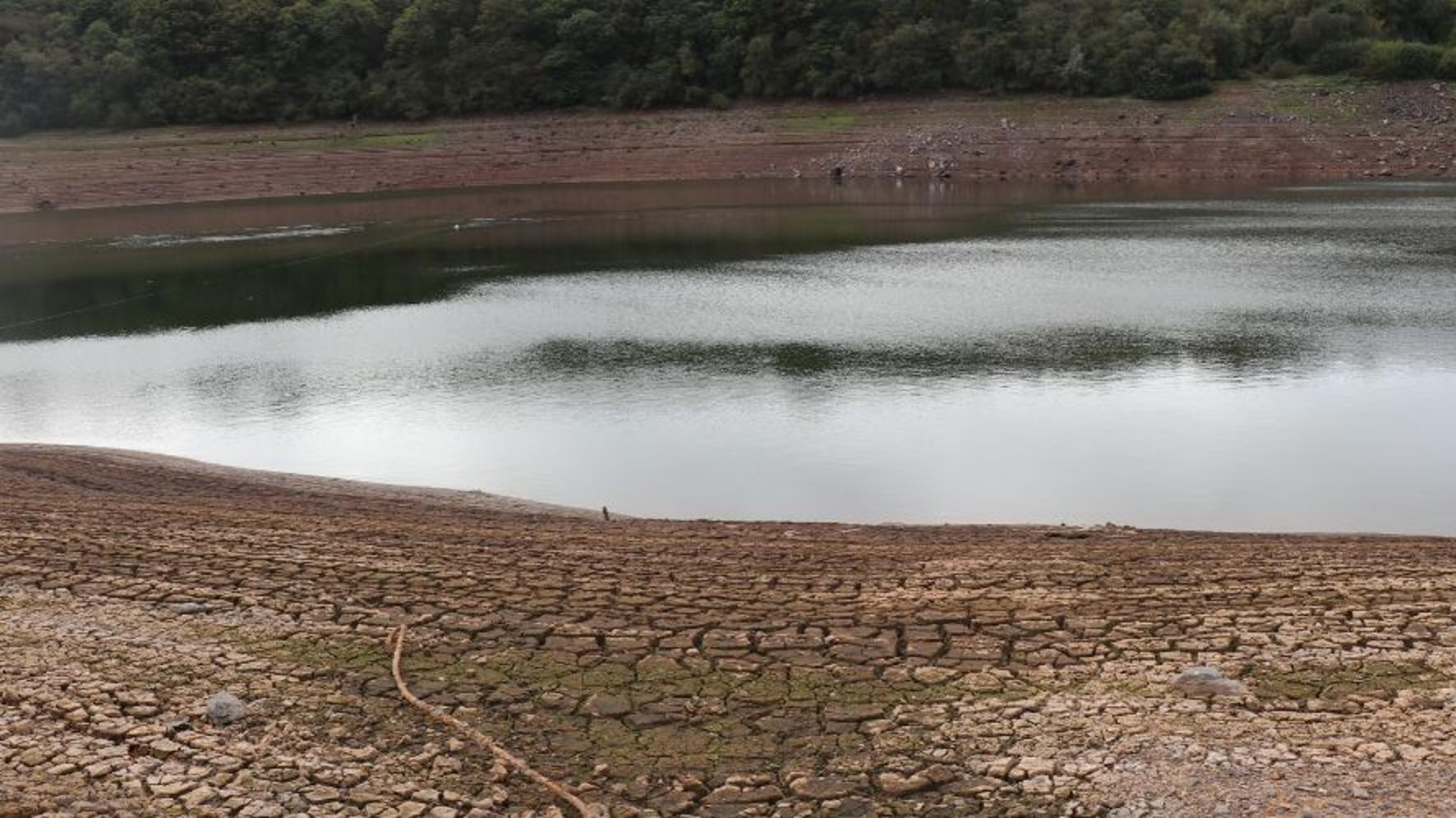
Severe drought is the most serious level of drought, based on Environment Agency classifications. It means there are concerns about having enough water for essential needs, as well as supporting the natural environment and important activities such as agriculture.
In severe drought conditions, we work closely with regulators, the government and other organisations to safeguard limited water supplies. We have plans in place that set out different measures we can use to help manage the situation.
Why has this happened?
We had the hottest summer on record and months of exceptionally dry weather. Even though we’ve now had some rain, there hasn’t been enough – it rained less in September and October than average for autumn.
During the summer, the soil became very dry. When it rains, the soil soaks up much of the rainfall like a sponge – it needs to reach normal saturation levels again before the water can filter through into groundwater and then into reservoirs directly, or the rivers that feed our reservoirs.
We need continued, steady rainfall over many months to refill rivers and reservoirs to help end the drought.
Low rivers mean low reservoirs
Rivers and reservoirs work closely together – we take water from rivers at times of high flow to supply directly to customers, or to add to our reservoirs so they fill up over the autumn and winter.
Our rivers are still at very low levels, which means we’re unable to take water from them as we usually would. This means we’re relying on reservoirs, which hold a limited amount of water. Recent rain has increased storage levels slightly, but we still need to use water wisely to help them to recover. See our reservoir levels page for current storage levels.
The South West’s geology makes drought more likely
In many parts of the country, groundwater stores provide a reliable source of water in times of drought. These are like underground reservoirs, bodies of water trapped under the rock that can be tapped into and treated for use as drinking water.
In the South West, our underlying rock structures mean we don’t have these groundwater stores, so we’re more reliant on surface water sources – rivers and reservoirs. These are more dependent on rainfall and more impacted by drought conditions.
What happens if things get worse?
We’re doing all we can to manage the situation, by fixing leaks, transferring water from other areas and managing the network efficiently. We’re following the measures set out in our water resources management plan, which sets out how we manage water resources and how we should respond in times of drought.
We’ll continue to monitor the situation closely and do all we can to avoid further restrictions. The region remains under a hosepipe ban, although this has reduced impact in saving water through the autumn and winter months as people naturally use less water out of doors.
You can help by saving water wherever you can – see our water-saving pages for ideas.