Background image for content-landing hero

DWMP 23

Our first DWMP was published in June 2023.

We published our first DWMP in June 2023, where we identified the key challenges that we face over the next 25 years. We engaged with our stakeholders and listened to the feedback shared with us, to develop plans to manage these challenges.

Improvements to your wastewater network

Our Drainage and Wastewater Management Plan covers the improvements we’re making to our wastewater network up to 2050. We’re determined to be a service you can rely on to protect the environment, handle wastewater responsibly and plan for future expansion.

We know there’s a lot to do, and we’re promising that by 2050 we will have achieved:

1,447hectares
surface water removed
550,000m3
of storage added
2,700km
sewers upgraded
123
treatment works upgraded

To do this, we’ve split the region into 22 catchments. Each area has a specific plan of improvements and upgrades that we’ll be working on. Some of the major projects include:

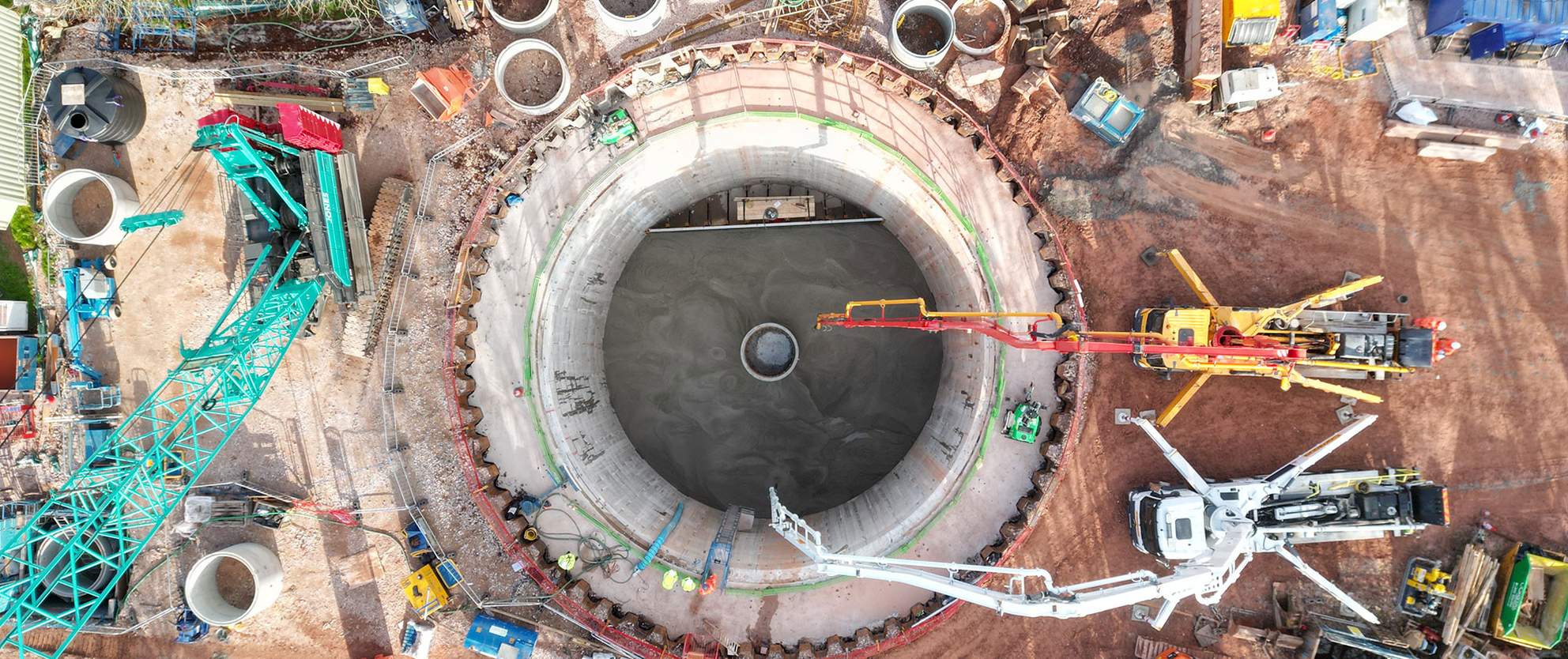
Picture of a storm tank
Some of the things we're doing
1/5

New storage tanks in Lyme Regis

Climate change is bringing periods of heavier rainfall. There are storm tanks to hold this water until it can be treated, but the intensity of the rain means they sometimes run out of capacity. To help this we’re looking into building new storm tanks in Lyme Regis, which would store additional wastewater at times of heavy flow.

More about storm overflows
Picture of works to separate sewers
Some of the things we're doing
2/5

Combined sewers

Combined sewers carry both foul sewage from homes and businesses and rainwater from roofs, paved areas and in some areas, run off from roads to the treatment works. Rainwater itself doesn’t need treatment before being released back into rivers, but where it enters a combined sewer network it uses valuable capacity and adds pressure to our pumps and storm tanks.

The best way to reduce this pressure is to separate foul and surface water flows. By building one sewer for foul sewage and another for rainwater, we can keep clean water out of the treatment process and release it safely back into rivers after passing through an oil interceptor. Customers can also play a big part by keeping rainwater out of combined sewers, for example through soakaways or other drainage solutions. Checking how your roof and driveway runoff is connected can make a difference. If none of your surface water drains to the public sewer, you may qualify for a lower bill and help ease pressure on the system during wet weather. 

Picture of a storm. A wave can be seen crashing over a railway track
Some of the things we're doing
3/5

Upgrading our sites

In the next few years, we’ll be upgrading, improving, and even relocating some sites to protect them from rising sea levels, coastal erosion, and demand changes.
A few people standing and looking at a river
Some of the things we're doing
4/5

Proactive interventions

We’re collaborating with landowners on a wide range of land management solutions which will help keep our rivers healthy.
Nature-based solutions
Picture of ants farming
Some of the things we're doing
5/5

Creating green spaces for wildlife

We’re making our sites more wildlife friendly in our ground management techniques and protecting the wildlife like bats, birds and unique plants and insects that already live there.

Our plan to 2050

Our first DWMP was published in June 2023 and was developed in line with the industry framework.

You can read our plan below, as well as our customer and technical summaries.

Our Plan to 2050

Technical Appendices

Data Tables

Strategic catchments

Each wastewater treatment works in our region has an area that it serves – we like to call these catchments. Currently, we have c. 653 of these! To enable us to focus our planning we have split these into 22 larger catchments – this means we can manage our region as an entire system rather than looking at smaller challenges isolated to individual treatment works.

You can find out more about our plans for each of these areas by looking at the documents below.

Strategic catchments

The second cycle of our DWMP is now underway. To find out more information or to get involved, click here.