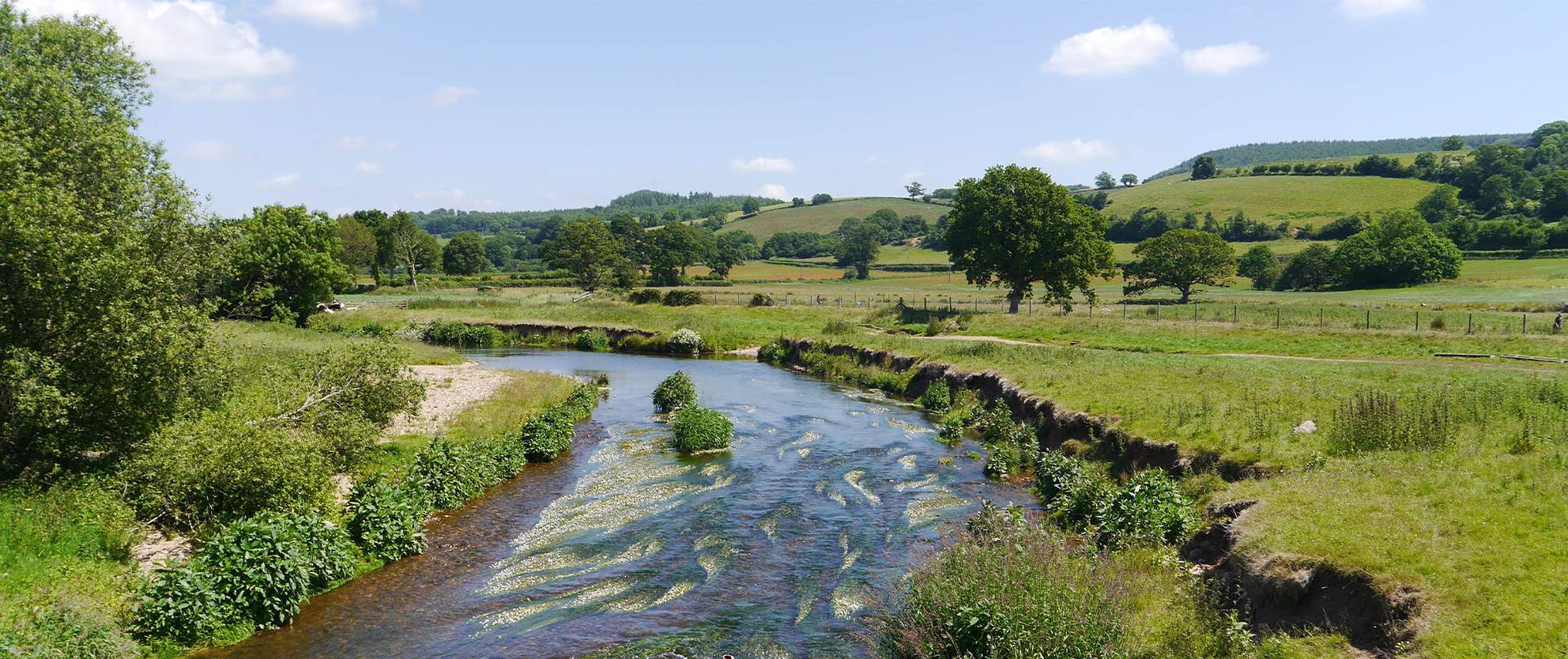
We are investing to improve the River Otter
Our investment programme to protect and improve the health of the River Otter is part of our £760 million investment targeted at reducing the use of storm overflows.
We have plans to address all 18 storm overflows on the Lower Otter, you can see more details in the plans below. We are also upgrading pumping stations and sewage treatment works in the area, which should reduce use of storm overflows and increase the quality of treated water released into the river.
More about storm overflows

What we’re doing to improve river health
Improvements focus on parts of the network that are most likely to contribute to storm overflow use, including sewage treatment works, pumping stations and sections of sewer. Solutions are tailored to each location and may continue to evolve as investigations progress.
Recent upgrades include:
- Fluxton Sewage Treatment Works (STW): A major upgrade means wastewater that was previously treated at Ottery St Mary Sewage Treatment Works is now treated to a higher standard at Fluxton, helping to improve the quality of water returned to local rivers.
- Churchinford STW: New equipment has been installed to improve how wastewater is treated, helping to protect river water quality downstream.
- Honiton STW: Repairs to sewers and sealing of manholes have reduced the amount of groundwater entering the sewer network, helping to lower pressure on the system during wet weather.
- East Budleigh Pumping Station: Pump upgrades have improved how wastewater is moved through the network, reducing the risk of the system becoming overwhelmed during heavy rainfall.
- Granary Lane, Budleigh Salterton: Sewer improvements have reduced the amount of groundwater entering the network and upgraded sections of pipework, helping to prevent leaks and blockages.
Future projects include:
- Feniton STW: Planned upgrade by 2030 to reduce nitrate levels.
- Upottery STW: Major upgrade by 2030 to improve treated water quality.
- Honiton STW: Further improvements by 2035 to improve treated water quality.
- Further details can be seen below.
We are prioritising the places that need intervention the most; for example, where spills happen most frequently or where the local environment is particularly sensitive.
How spills are counted:
Where the target of <10 (less than 10) spills per annum is referenced in the tables below, <10 spills is an average annual count measured over a 10-year period. This means there should be no more than 100 spills over any 10-year period.
Frequently asked questions
Useful information
WaterFit Live maps