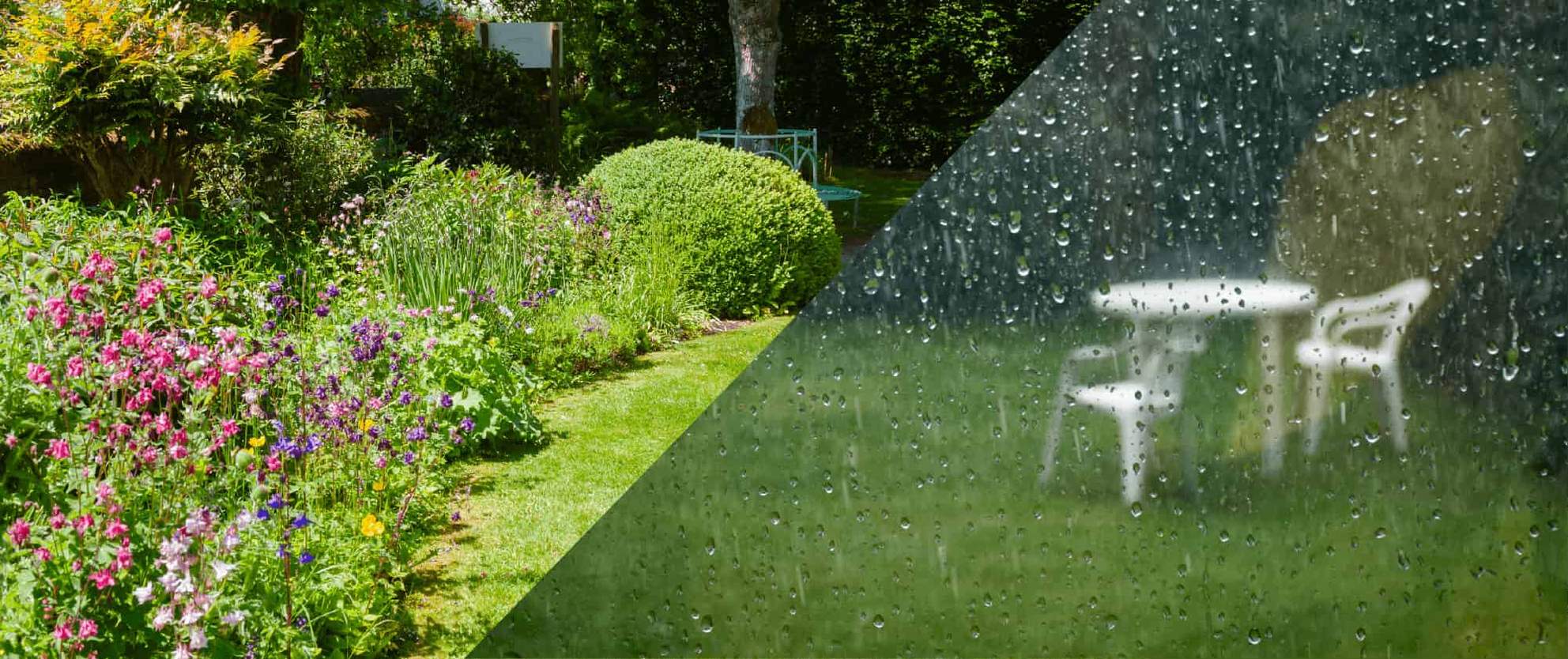
Every drop counts this autumn
After a hot, dry summer with below-average rainfall, using water wisely helps protect this vital resource.
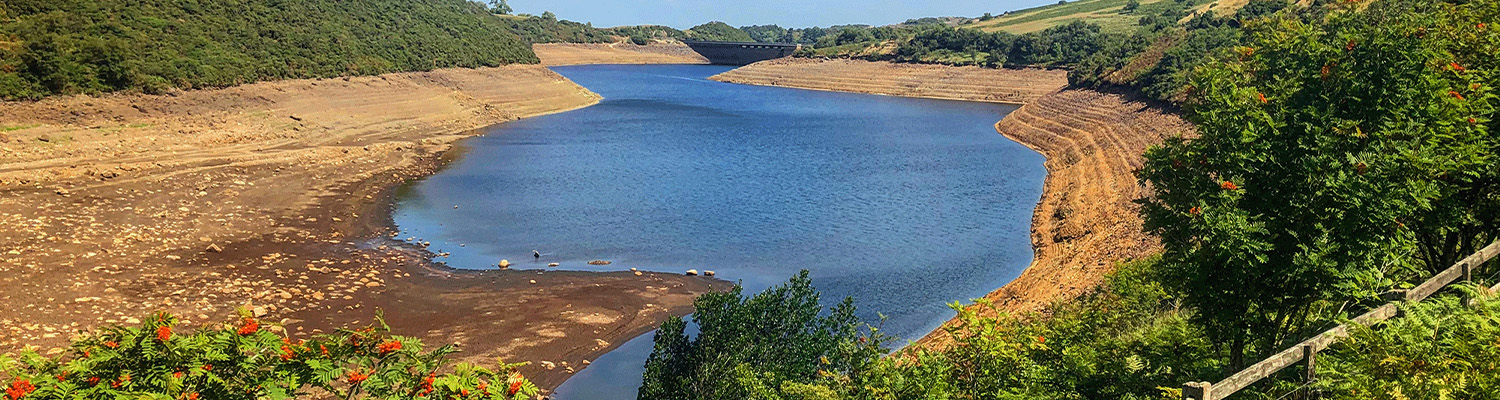
This summer, we experienced five heatwaves and the Environment Agency (EA) declared over 70% of England in drought. The hot weather increased demand, and water resources have come under increasing pressure across the region.
Although we have now had some rain, rivers, reservoirs and groundwater sources will take time to recover.
The Met Office has warned that global weather patterns could increase the risk of extreme weather into next year, highlighting the importance of using water wisely.
Taking simple steps to use less water can make a big difference. Every Drop Counts. Small actions. A big difference.
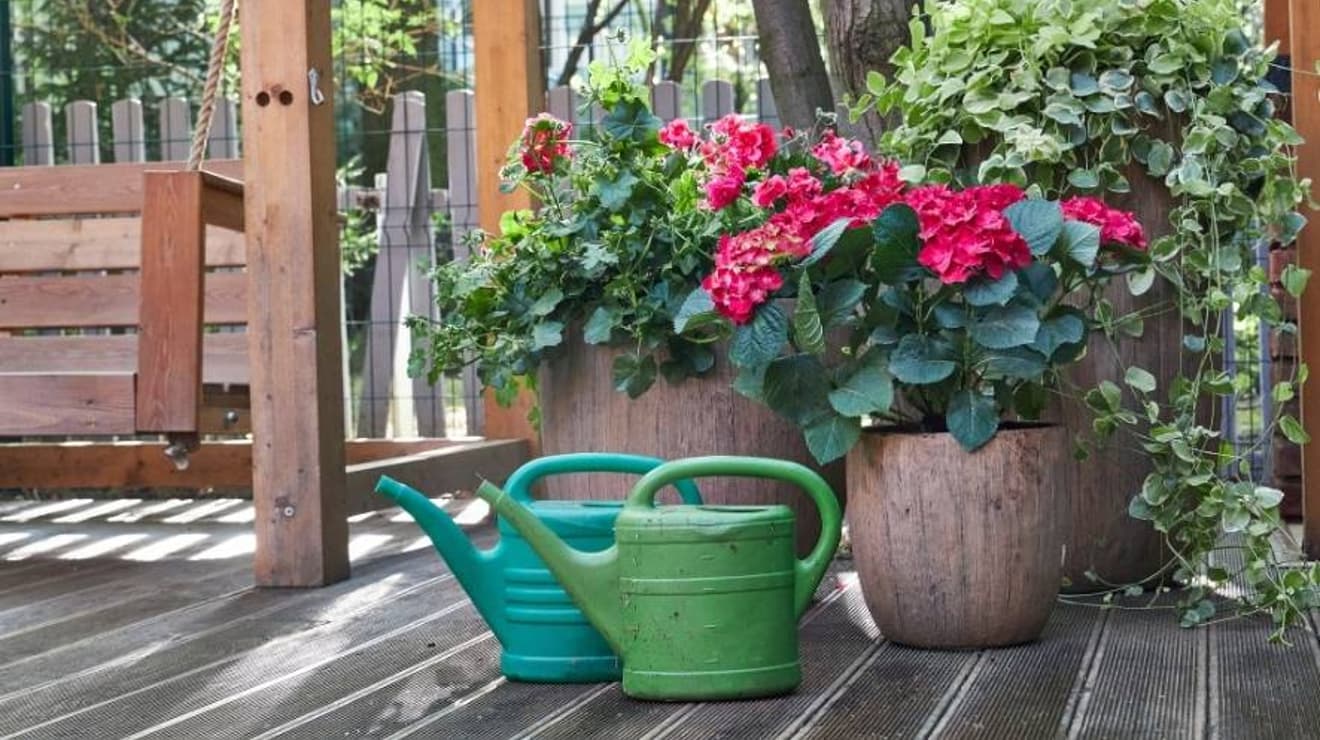
Water-saving tips

Balancing water supplies throughout the year
After a summer already marked by multiple heatwaves, record breaking temperatures and low rainfall, July saw further records being broken. July 2026 was the driest, warmest, and sunniest month ever recorded in Southern England in a record that dates to 1836.
River levels are very low, meaning that we have to use more of the water stored in our reservoirs, with exceptionally high demand for water meaning that we must take a lot from them.
The prolonged period of hot, dry weather has placed significant pressure on water resources. As hotter, drier summers become more common and demand for water continues to increase, using water wisely can help ensure there is enough water for customers and the environment throughout the year.
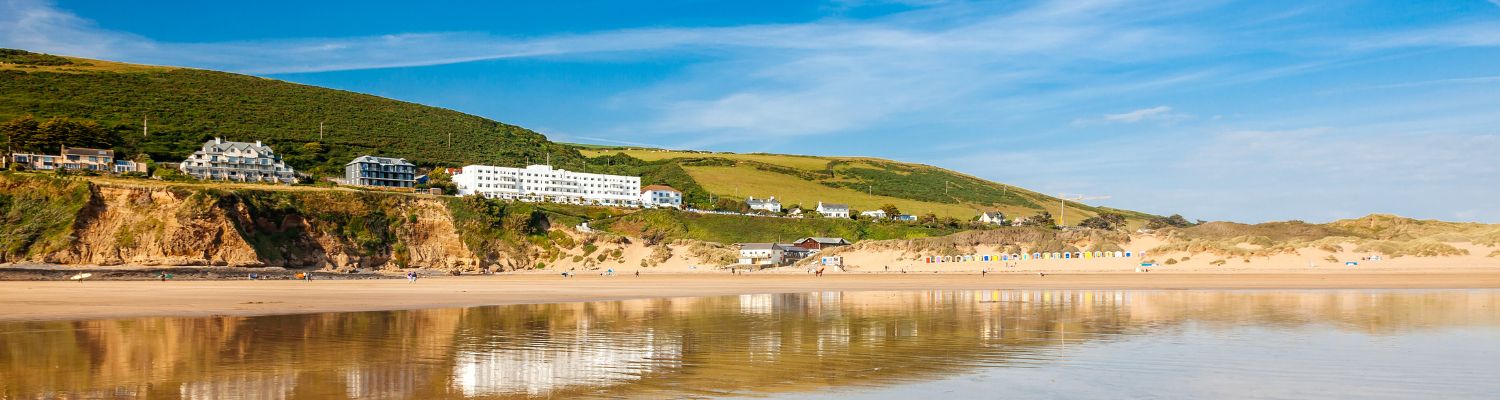

Summers are getting hotter
Climate change is making our weather less predictable and more extreme.
The last three years were in the top five on record for the UK. 2026 was provisionally the hottest summer on record according to the Met Office.
Summers are also getting drier. The period from March to July 2026 was among the driest on record.
Climate change
Climate change means hot, dry summers are becoming more common. In the last ten years, we’ve seen three times more days above 30°C than the 1961-1990 average.
Population growth is also adding to pressure on our water resources.
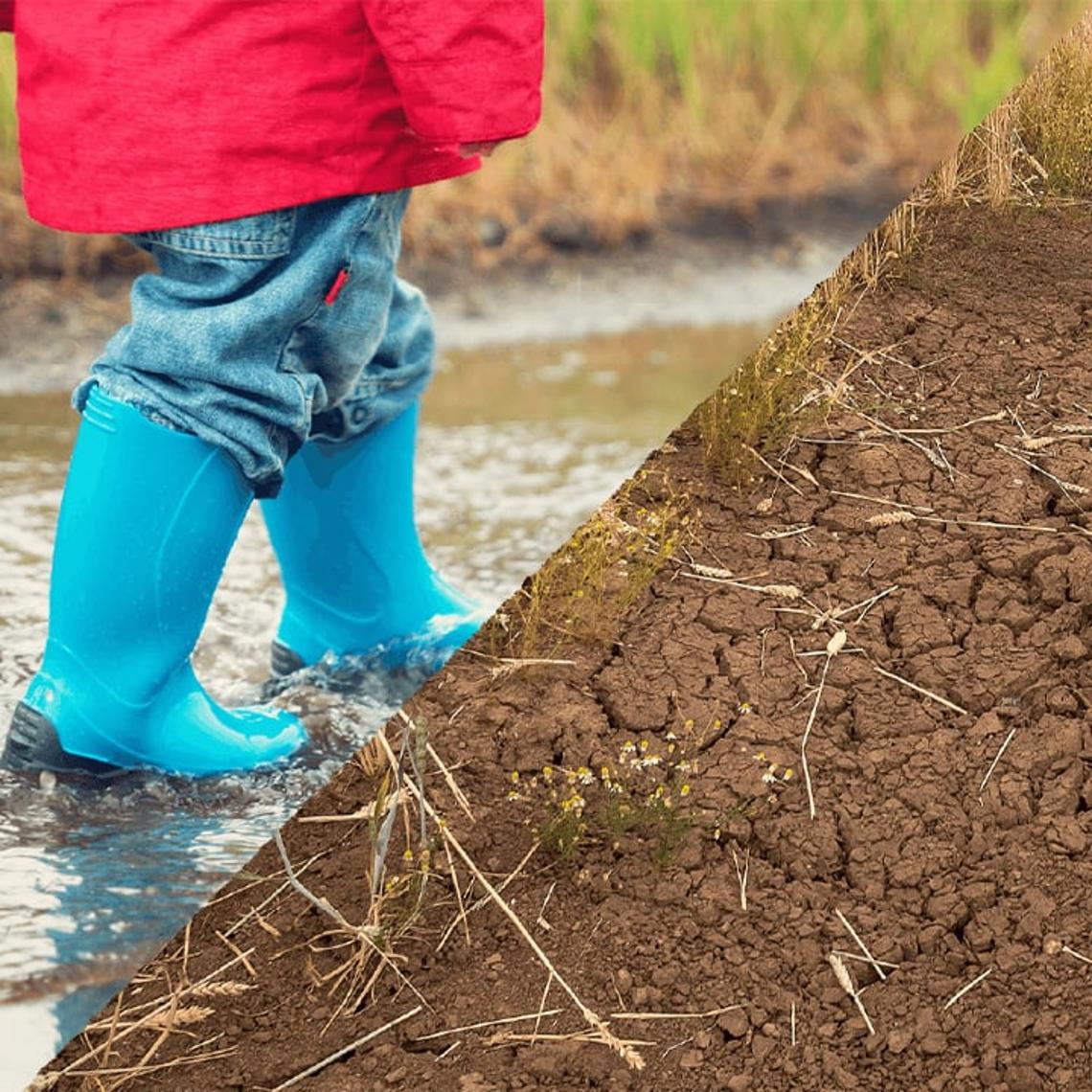
Every drop counts
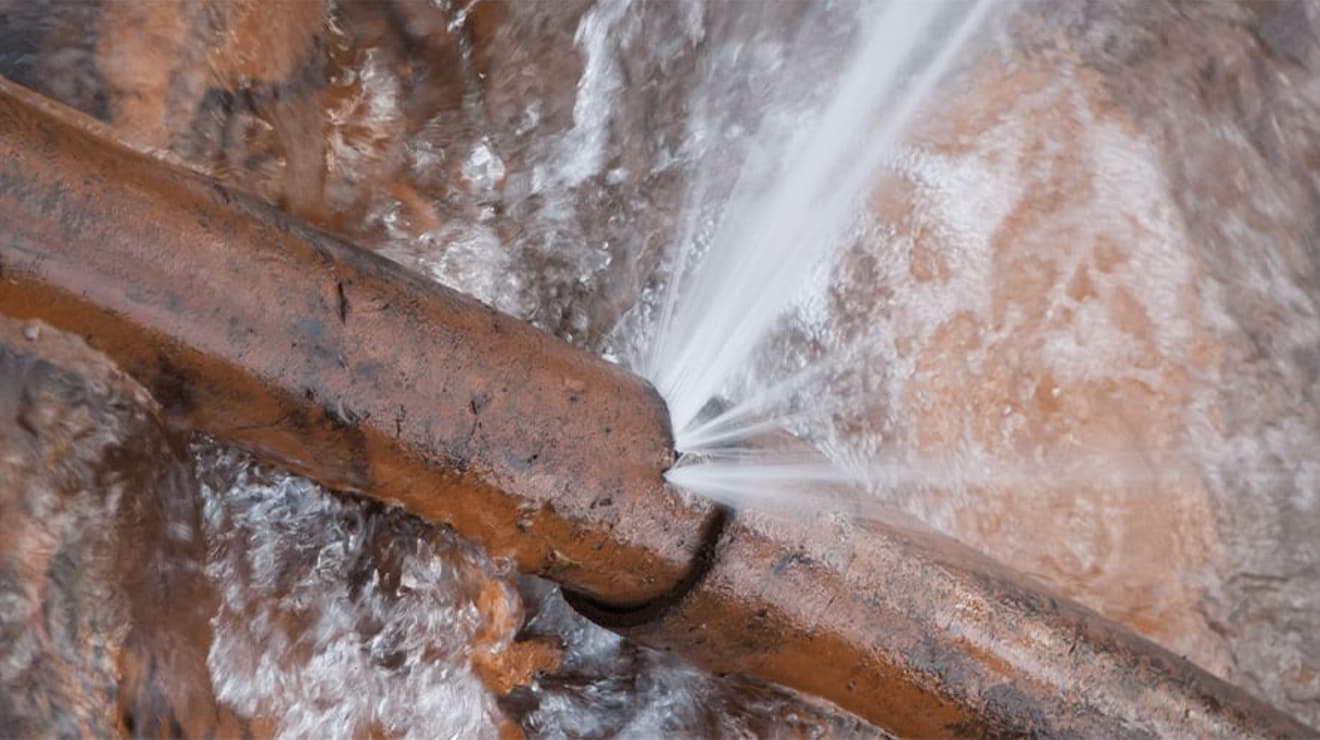
To address this issue, we’re spending more to improve water storage, address leaks and strengthen resilience.
You can help by being careful with water, all year round – even when it’s pouring down outside.
FREE water-saving devices